
A solid construction purchasing strategy is the bedrock of any successful project. It’s about more than just buying materials; it’s a comprehensive plan that covers how you source, who you partner with, and how you manage the entire supply chain from blueprint to final build. Getting it right saves time, cuts costs, and reduces headaches. Getting it wrong can lead to delays, budget overruns, and constant firefighting.
Construction Purchasing Strategy: 2026 Key Takeaways
In 2026, a competitive construction purchasing strategy centers on supply chain resilience and digital integration. To optimize procurement, contractors should:
Shift to Strategic Sourcing: Move from transactional buying to long-term category management to save 10–20%.
Adopt Centralized Buying: Leverage Group Purchasing Organizations (GPOs) like CNBA to access enterprise-level pricing.
Ensure Regulatory Compliance: Embed CMMC 2.0 cybersecurity vetting and ESG sustainability reporting into all vendor RFPs.
Utilize Predictive AI: Use AI-driven market intelligence to hedge against price volatility for materials like steel and electromechanical products.
This guide breaks down the essential components of a modern, effective construction purchasing strategy. We’ll cover everything from high level planning and supplier relationships to on site logistics and cutting edge technology, giving you the insights to build a smarter, more resilient procurement process.
The Foundations of Smart Procurement Planning
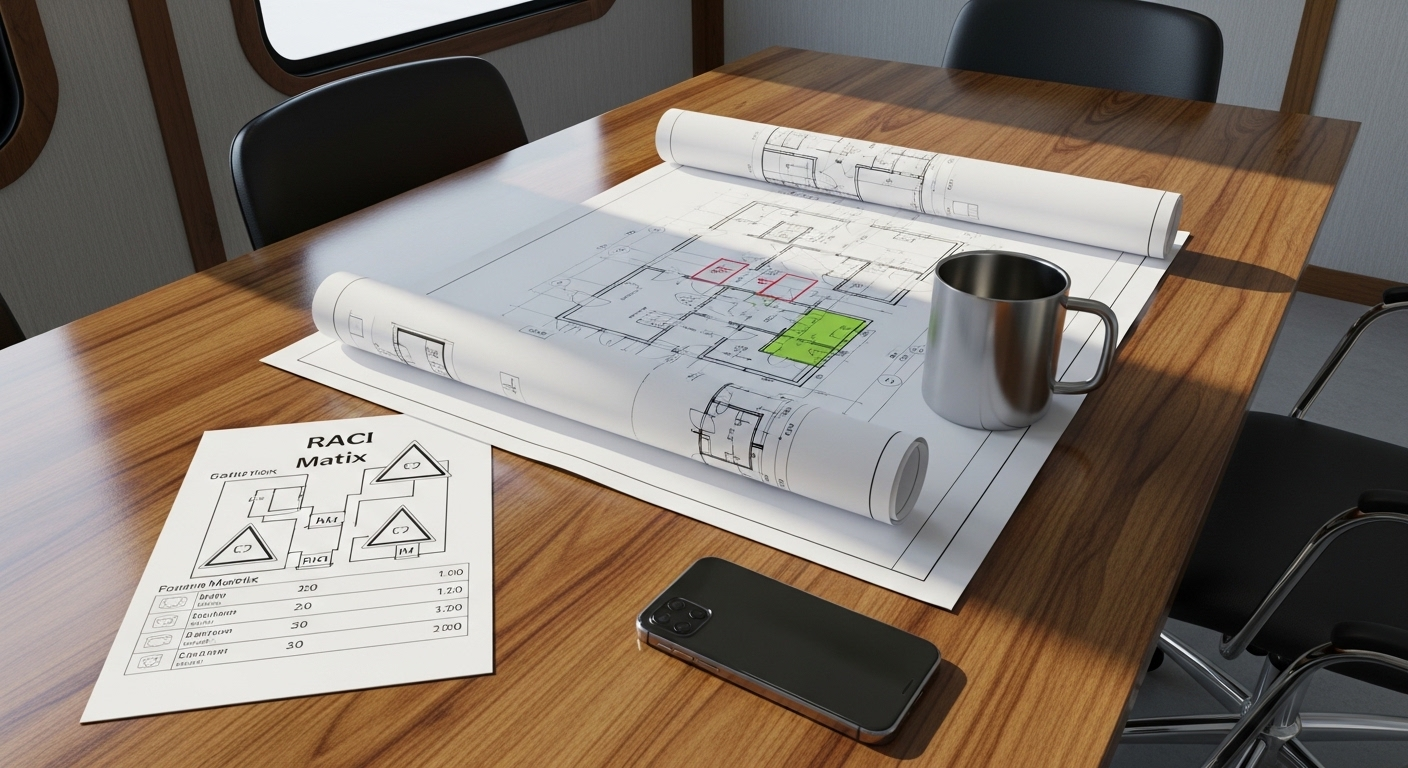
Before a single purchase order is cut, the strategic groundwork must be laid. This initial planning phase sets the stage for everything that follows, defining the rules of engagement for your entire project.
Choosing the Right Procurement Method
First, you must select an overall project delivery method. This choice dictates how design, bidding, and construction are organized. Will you use the traditional Design Bid Build approach, or a more integrated model like Design Build or Construction Manager at Risk (CMAR)? This decision hinges on project complexity, your timeline, and how you want to allocate risk. The trend toward integration is clear; analysts project the design build method will account for 47% of U.S. construction spending by 2026, showing a strong desire for streamlined collaboration.
Mapping Out the Procurement Process Steps
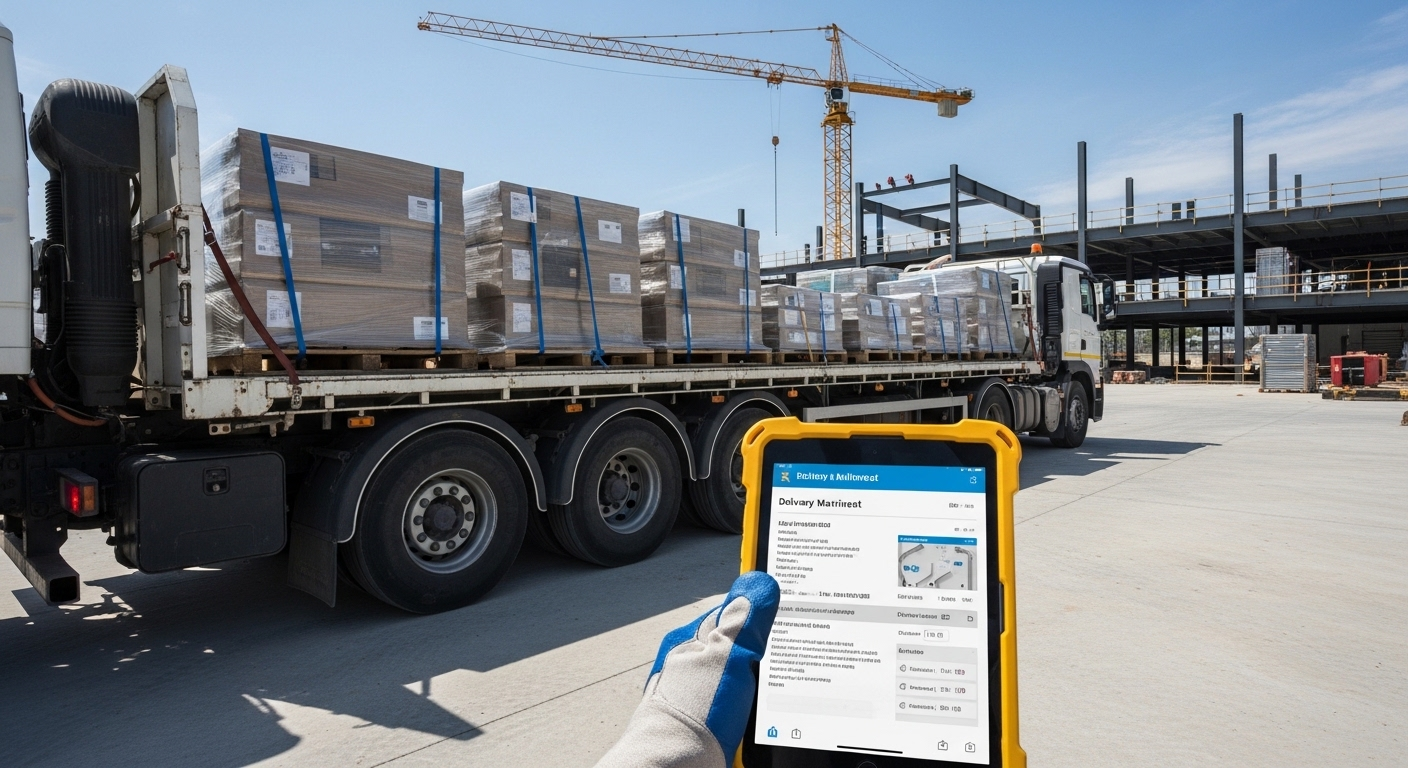
A well defined process brings order to the chaos of acquiring goods and services. A typical procurement journey includes:
Planning and Identification: Defining exactly what you need and when.
Sourcing: Finding and requesting bids from qualified suppliers and subcontractors.
Evaluation and Selection: Reviewing bids to find the best value, not just the lowest price.
Negotiation and Award: Finalizing terms and signing contracts.
Ordering and Expediting: Placing orders and tracking them to ensure on time delivery.
Logistics and Delivery: Receiving and inspecting materials on site.
Payment and Closeout: Managing payments and finalizing contracts.
Following these steps is crucial for risk management, especially since materials and subcontracted services can represent as much as 60–70% of the total installed cost of a project.
Defining Roles and Responsibilities
Clear roles prevent confusion and dropped balls. A construction purchasing strategy must explicitly state who does what. Using a RACI matrix (Responsible, Accountable, Consulted, Informed) clarifies who solicits bids, who approves purchases, and who manages deliveries. Well defined roles are strongly correlated with project success and can reduce unauthorized “maverick buying”.
Fostering Cross Functional Collaboration
Procurement shouldn’t operate in a silo. A successful strategy requires deep collaboration between the purchasing team, engineers, and designers. When these teams work together, designs are more practical and cost effective. For example, procurement can flag a specified material that has a six month lead time, allowing the design team to choose an alternative early on. Research shows that 60% of projects delivered on budget had average or better levels of group cohesion, and among projects with the highest levels of team integration and cohesion, 84% finished on time or early.
The Power of Early Design Involvement
Bringing contractors and key suppliers into the design phase, known as Early Contractor Involvement (ECI), is a game changer. Since around 80% of a project’s total costs are determined by decisions made during design, getting early input on constructability and material availability is invaluable. ECI leads to fewer change orders and cost overruns because problems are solved on paper, not on the construction site. It’s a classic case of prevention being better (and cheaper) than the cure.
Strategic Approaches to Sourcing and Vendor Management
With the foundational plan in place, the focus shifts to how you strategically engage with the market and your supply base. This is where a thoughtful construction purchasing strategy can create a significant competitive advantage.
Embracing Strategic Sourcing
Strategic sourcing moves beyond transactional buying. It’s a long term approach that focuses on total cost of ownership, supplier relationships, and aligning purchasing with your company’s goals. Instead of just getting quotes for each purchase, you analyze your total spend, identify key categories, and develop tailored strategies for each. Companies that implement strategic sourcing have reported to achieve savings of 10 to 20 percent in targeted spending areas over time.
Developing a Category Strategy
You wouldn’t buy structural steel the same way you buy office supplies, right? Category strategy development involves creating specific purchasing plans for related groups of items, like “concrete,” “MEP subcontracts,” or common tools and accessories your crews use daily. This allows your team to become experts in specific markets. By focusing on high spend categories, which often follow the 80/20 rule (80% of spend comes from 20% of categories), you can maximize savings and supply security.
Leveraging Centralized Procurement
A centralized procurement model, where a single team handles purchasing for all projects, leverages your company’s total buying power to secure better pricing and terms. Instead of each project manager negotiating separately, one team builds strong, consistent relationships with key vendors. This is the same principle used by group buying organizations like the Contractors National Buyer Alliance (CNBA), which allows independent contractors to pool their purchasing volume. CNBA provides its members with a centralized procurement advantage, unlocking better pricing and partnerships that add value for everyone involved. For a deeper dive, see this contractor purchasing alliance guide to savings. Businesses can save 5 to 15% through this kind of centralized approach.
Using Data and Market Intelligence
Making smart decisions requires good information. A strong construction purchasing strategy relies on both internal data (like your spending analytics) and external market intelligence (like commodity price trends). Tracking cost indices like the ENR Building Cost Index can help you anticipate price hikes for materials like lumber and steel, allowing you to buy ahead or budget accordingly.
For vendor program updates and member announcements, keep an eye on CNBA news. IBM’s 2013 Chief Procurement Officer Study found that companies with top-performing procurement organizations reported average enterprise profit margins of 7.12% versus 6.19% for all respondents (and 5.83% for low performers).
2026 Construction Material Price Trends
Understanding market movement is critical for accurate bidding and escalation clause negotiation. Below is the early 2026 outlook based on current cost indices:
Material Category | Annual Price Trend (Q1 2026) | Strategy Recommendation |
Electromechanical Products | +2.27% | Prioritize early ordering; volatility is high. |
Plastic & Chemical Products | +1.64% | Hedge through bulk buying or GPO agreements. |
Insulation & Wood Products | +1.82% | Monitor localized supply chains for shortages. |
Metallic Products (Steel/Iron) | -0.45% | Favorable for spot-buying or fixed-price contracts. |
Aggregates (Gravel/Sand) | +6.60% | Negotiate long-term local supply agreements. |
Prioritizing Decarbonization and Sustainable Sourcing
Modern procurement is increasingly focused on sustainability. This involves reducing the carbon footprint of the materials you buy, known as decarbonization, and considering environmental and social factors in your sourcing decisions. This could mean choosing green cement, using recycled materials, or sourcing from local suppliers to cut transport emissions. While economic pressures can sometimes cause sustainability goals to take a backseat to cost cutting, many clients and regulations are pushing for greener building practices, making sustainable sourcing an important part of a future proof strategy.
Meeting 2026 Compliance Standards: CMMC 2.0 and ESG
As of 2026, procurement is no longer just about price; it’s about eligibility. Government and large commercial contracts now require strict adherence to new digital and environmental standards.
CMMC 2.0 Cyber-Readiness: If you handle Federal Contract Information (FCI) or Controlled Unclassified Information (CUI), you must verify your CMMC level. Your purchasing strategy should include a “Cyber-Vetting” step for all subcontractors to ensure they meet Level 1 or Level 2 requirements before a contract award.
ESG and Sustainability Reporting: Beyond choosing “green” materials, 2026 mandates often require verified carbon tracking. Use procurement software that integrates with Environmental Product Declarations (EPDs) to automate your sustainability reporting.
Mastering Supplier Relationships and Risk
Your suppliers are critical partners. How you select, negotiate with, and manage them can make or break your project’s success and resilience.
A Rigorous Process for Supplier Evaluation and Selection
Choosing the right supplier is about more than just the lowest bid. A thorough evaluation process assesses a vendor’s experience, financial stability, past performance, and safety record. Many companies use a weighted scoring system to make balanced decisions. Highlighting its importance in mitigating risks associated with poor supplier performance. If you’re evaluating collective purchasing options, this contractor group purchasing organization guide outlines what to look for in a GPO partner.
The Art of Contract Negotiation
Effective negotiation protects your project from risk and can unlock significant value. This process involves agreeing on price, payment terms, delivery schedules, warranties, and clauses for handling changes or delays. Recently, negotiating price escalation clauses has become common to manage volatile material costs. It’s not just about getting the best price; it’s about creating a clear, fair agreement that sets the project up for success.
Building Strong Supplier Relationships
Supplier Relationship Management (SRM) is the practice of cultivating long term, collaborative partnerships with your key suppliers. A strong relationship can lead to better service, priority access to materials during shortages, and even innovative new solutions. Organizations like CNBA help build these connections by matching high integrity contractors with leading vendors to foster trusted, mutually beneficial partnerships.
Collaborative Demand and Capacity Planning
Working with your suppliers to plan for future needs is a hallmark of a mature construction purchasing strategy. By sharing your project forecasts, you allow suppliers to plan their production and capacity, ensuring they can deliver what you need when you need it. This proactive coordination prevents last minute scrambles and reduces the risk of shortages. Companies that share forecasts with key suppliers report improved on-time delivery by 5% to 10%.
Logistics and On Site Execution
A great plan is nothing without great execution. The final mile of procurement involves getting the right materials to the right place at the right time and ensuring they meet quality standards.
Planning Your Procurement Schedule
The procurement schedule is a detailed timeline for all purchasing activities, perfectly aligned with the master construction schedule. It works backward from when an item is needed on site to determine deadlines for bidding, ordering, and fabrication. This is especially critical for long lead items like elevators or custom steel. Mismanaged scheduling is a huge source of waste; a shocking 15% of materials delivered to construction sites end up in landfills, often due to poor timing and coordination.
Mastering Storage and Site Logistics
Planning how materials will be received, stored, and moved around the job site is crucial for efficiency and safety. Make sure crews have access to jobsite essentials that streamline staging and handling. A well organized site with clear pathways and designated laydown areas reduces material damage and minimizes wasted labor time. Research suggests that On power plant projects, approximately 28% of craft workers’ time was idle or non-productive due to the unavailability or non-readiness of the right materials and tools., a problem that smart logistics planning directly addresses.
Implementing Just in Time (JIT) Delivery
Just in Time (JIT) is a strategy where materials are delivered exactly when they are needed for installation, minimizing on site inventory. This frees up space, reduces storage costs, and lowers the risk of theft or damage. However, JIT requires extremely reliable suppliers and is vulnerable to supply chain disruptions. In response to recent disruptions, about 80% of companies increased their inventories, creating a buffer. The key is finding a balance, using JIT where it makes sense while holding a small safety stock of critical items.
Standardizing Inventory Tracking
Consistent methods for tracking inventory are essential for knowing what you have and where it is. Standardizing your process, whether through barcodes, QR codes, or RFID tags, ensures everyone is following the same procedure. This prevents accidental reordering and allows for accurate stock counts. Companies that implement standardized inventory systems have been shown to cut material waste and loss by 47% at the retailer level (and up to 67% at the manufacturer level).
Enforcing Quality Assurance Protocols
A quality assurance (QA) protocol is a set of procedures to ensure that all purchased materials meet project specifications. This includes requiring technical submittals, performing factory inspections, and conducting quality checks upon delivery. Reinforce safe receiving and inspection practices with a simple construction PPE checklist. Sourcing from certified suppliers, like those with an ISO 9001 certification, is a common QA practice. Strong QA prevents the use of defective materials, which can lead to costly and dangerous rework.
Controlling Costs and Managing Uncertainty
Construction is full of surprises. A resilient construction purchasing strategy anticipates potential problems, from market volatility to project delays, and has a plan to manage them.
Proactive Risk Management in Procurement
Risk management involves identifying and mitigating potential disruptions to your supply chain. This could include supplier bankruptcy, material shortages, or shipping delays. Strategies like dual sourcing and requiring performance bonds are key. With recent global disruptions, risk management has remained a top priority for procurement leaders, with many turning to multisourcing to build more resilient supply chains.
Building Resilience with Dual Sourcing and Contingency Planning
Don’t put all your eggs in one basket. Dual sourcing, or using at least two suppliers for a critical item, is a powerful risk mitigation tactic. If one supplier fails, you have a backup ready to go. A 2025 survey revealed that 60% of organizations plan to use dual sourcing by 2026 to make their supply chains more secure.
Mitigating Price Volatility
Commodity prices can swing wildly, wrecking project budgets. To mitigate this risk, you can use fixed price contracts, negotiate escalation clauses that share the risk of price hikes, or buy materials in bulk when prices are low. After the cost of construction materials jumped about 20% in 2021, many contractors made these strategies a standard part of their procurement playbook.
Navigating Schedule Changes
Projects rarely go exactly as planned. Schedule change management is the process of adjusting procurement activities in response to delays or accelerations. This requires clear communication with suppliers to reschedule deliveries without incurring major penalties. Given that Just 25% of projects came within 10% of their original deadlines in the past 3 years., having a flexible and responsive procurement process is not just an advantage, it’s a necessity.
Keeping a Lid on Budget Overruns
Only about 30% of projects come within 10% of their original budget. Budget overrun control involves constantly monitoring spending against the plan and taking corrective action when costs start to creep up. This can involve value engineering to find cheaper alternatives or maintaining a strict approval process for purchases that approach their budget limits.
Maintaining Healthy Cash Flow
Cash is king in construction. Cash flow management in procurement means timing your payments to suppliers so they don’t outpace the payments you receive from clients. Negotiating favorable payment terms (like Net 60) and aligning material purchases with project billing milestones are key tactics to avoid a cash crunch.
The Role of Technology in Modern Procurement
Technology is transforming construction procurement, offering unprecedented visibility, efficiency, and intelligence. Integrating the right digital tools is a critical component of a leading edge construction purchasing strategy.
Adopting Procurement Software and ERP Systems
Moving from spreadsheets to dedicated procurement software or an Enterprise Resource Planning (ERP) system automates workflows and provides a single source of truth for all purchasing data. Over 80% of large general contractors have adopted some form of ERP. These systems improve budget tracking, reduce manual errors, and help control maverick spending, ultimately lowering processing costs.
Gaining Insight with a Spend Control Dashboard
A spend control dashboard provides a real time, visual overview of your project’s spending. It helps you track actual costs against the budget, analyze spending by category, and quickly spot potential overruns. 73% of Best-in-Class mid-sized enterprises use operational dashboards., driving an additional 3–11% annual savings. For members of a group like CNBA, a dashboard can help track purchasing volume through approved vendors to ensure they meet minimums and maximize rebates.
Integrating Building Information Modeling (BIM)
BIM integration connects the 3D project model directly to procurement. This allows for highly accurate quantity takeoffs, reducing the risk of over or under ordering. By linking cost and schedule data (5D BIM), procurement teams can generate material lists directly from the model and better visualize when items are needed, improving accuracy.
Forecasting with Artificial Intelligence (AI)
AI and machine learning are making procurement more predictive. AI algorithms can analyze historical data and market indicators to forecast material demand, predict price trends, and even identify potential supply chain risks. AI based forecasts have been shown to reduce error rates by 20 to 50%, leading to lower inventory costs and fewer emergency orders.
Enhancing Visibility with IoT Enabled Material Tracking
The Internet of Things (IoT) brings real time visibility to your materials. By attaching GPS trackers, RFID tags, or sensors to materials and equipment, you can monitor their location from the factory to the job site. This drastically reduces time spent searching for items and helps prevent theft, which costs the U.S. construction industry over $1 billion annually.
Conclusion: Building Your Strategic Advantage
A well crafted construction purchasing strategy is a dynamic, multifaceted discipline. It requires careful planning, strategic sourcing, strong supplier partnerships, and the smart adoption of technology. By mastering these elements, contractors can navigate market volatility, control costs, reduce risk, and deliver projects more effectively.
Developing such a comprehensive strategy can feel like a major undertaking, but you don’t have to do it alone. Alliances like the Contractors National Buyer Alliance (CNBA) exist to help contractors in the Southeastern U.S. harness collective buying power and industry expertise. If you’re ready to elevate your procurement game, exploring a partnership with CNBA could be the most strategic move you make. Not sure where to start? Read this construction buying group guide for contractors.
Frequently Asked Questions
What is the main goal of a construction purchasing strategy?
The primary goal is to acquire all the necessary materials, equipment, and services for a project at the best possible total value. This means balancing cost with quality, reliability, and timing to ensure the project is completed on time, within budget, and to the required standards.
How can a small contractor develop a better purchasing strategy?
Small contractors can start by standardizing their procurement process, building strong relationships with a few reliable local suppliers, and using simple tools to track spending. Joining a group purchasing organization like CNBA can also give them access to the buying power and favorable terms typically reserved for larger companies.
What are the biggest risks in construction procurement?
The biggest risks include price volatility of key materials, supplier failure (bankruptcy or poor performance), supply chain disruptions and delays, quality control issues with delivered goods, and internal risks like inaccurate budget estimates or poor schedule coordination.
How does technology change a construction purchasing strategy?
Technology automates manual processes, provides real time data for better decision making, and improves visibility across the supply chain. Tools like ERP systems, spend dashboards, BIM, and IoT tracking enable a more proactive, data driven, and efficient construction purchasing strategy.
What is the difference between procurement and purchasing?
Purchasing is the transactional act of buying goods or services. Procurement is a broader, more strategic process that includes everything from planning and sourcing to negotiation, logistics, and supplier relationship management. A construction purchasing strategy governs the entire procurement lifecycle.
Why is supplier relationship management so important?
Strong supplier relationships build trust and collaboration, which can lead to better pricing, preferential treatment during material shortages, improved service, and proactive problem solving. A good supplier acts as a partner in the project’s success rather than just a vendor.
Recent Comments