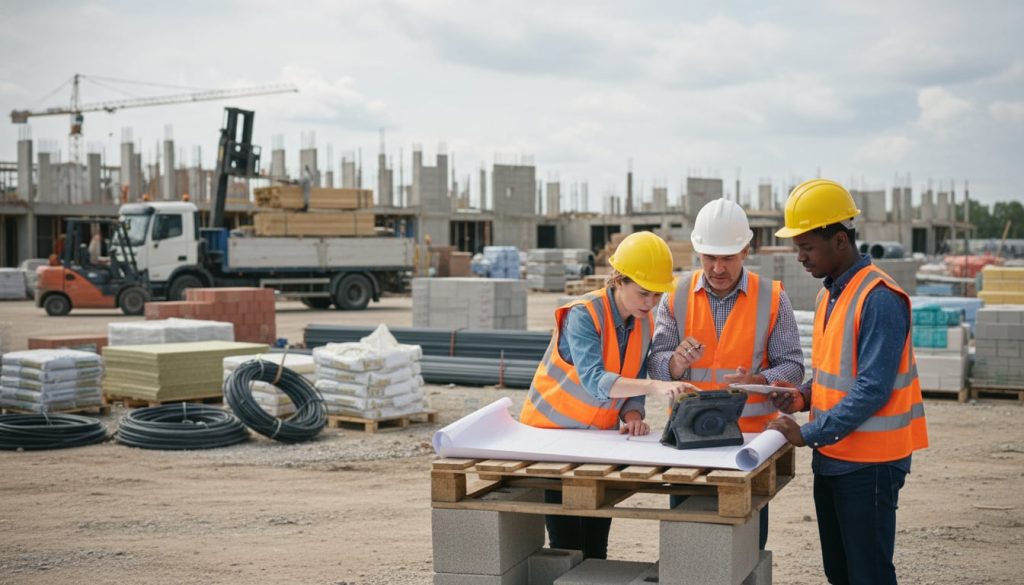
Getting the right materials to the right place at the right time and for the right price is the lifeblood of any successful building project. This entire complex dance is known as construction material procurement. It’s more than just ordering supplies; it’s a strategic process that involves sourcing, purchasing, and ensuring the timely delivery of everything needed to get the job done.
When you consider that procurement can account for 40% to 70% of a construction company’s total costs, it’s clear that mastering this process is essential for keeping projects on schedule and within budget. This guide breaks down everything you need to know about navigating the world of construction material procurement.
Executive Summary: What is Construction Material Procurement? Construction material procurement is the strategic process of sourcing, purchasing, and managing the delivery of physical assets required for a build. In 2026, effective procurement focuses on price volatility hedging, digital supply chain transparency, and Total Cost of Ownership (TCO). Successful firms leverage collective buying power and AI-driven forecasting to reduce material costs by an average of 15% while ensuring project timelines remain intact.
Who’s in Charge of Procurement?
In most construction projects, the general contractor (GC) takes on the primary procurement responsibility. They are accountable for sourcing all the necessary materials, equipment, and subcontracted services.
On larger projects, a dedicated Procurement Manager or even a full team handles these duties. Their key roles include:
Planning and Budgeting: Working with estimators to create a detailed list of materials (a bill of quantities) and forecast needs.
Supplier Sourcing: Identifying, vetting, and negotiating with vendors to find the best balance of cost, quality, and reliability.
Contract Management: Issuing purchase orders and managing contracts with suppliers.
Logistics Coordination: Tracking shipments and ensuring materials arrive on schedule to prevent delays.
Quality Assurance: Verifying that all incoming materials meet project specifications before approving payment.
Smaller companies might split these tasks between project managers and engineers. However, having a clear owner for procurement creates accountability and helps prevent costly mistakes.
Crafting a Winning Procurement Strategy
A reactive approach to buying can lead to overspending and delays. A proactive construction procurement strategy, on the other hand, focuses on long term goals and value. The strategy outlined below sits within a broader set of construction procurement best practices covering planning discipline, transparent tendering, supplier risk management, and digital workflows—material procurement is the execution layer of that larger framework. Here are the pillars of a strong strategy.
Material Planning and Forecasting
Effective procurement begins long before the first purchase order is cut. It starts with meticulous planning and forecasting. By analyzing design documents and the project schedule, teams can predict what materials are needed and when. This allows for bulk purchasing to secure volume discounts and ensures long lead time items are ordered well in advance.
The Power of Early Involvement: Procurement at the Design Stage
One of the most effective best practices is to integrate procurement during the project’s design phase. When procurement experts have a seat at the table early, they can offer invaluable input on material availability, cost effective alternatives, and potential supply chain issues. This early collaboration, often seen in Integrated Project Delivery methods, helps optimize designs for buildability and cost, preventing expensive changes down the road.
Looking Beyond the Price Tag: Total Cost Analysis
Strategic procurement looks beyond the initial purchase price. A Total Cost of Ownership (TCO) analysis evaluates the long term costs associated with a material, including maintenance, durability, and replacement. For example, a slightly more expensive roofing material that lasts ten years longer offers better overall value. This focus on life cycle benefits instead of just upfront costs is a hallmark of smart construction material procurement and can be strengthened through national pricing programs.
Managing Market Swings: Price Volatility Management
The prices of commodities like steel, lumber, and asphalt can fluctuate wildly. A robust procurement strategy includes plans to manage this price volatility. This might involve locking in prices with suppliers for the duration of a project, buying materials in bulk when prices are low, partnering with purchasing networks (GPOs), or using contract clauses that account for potential price escalation.
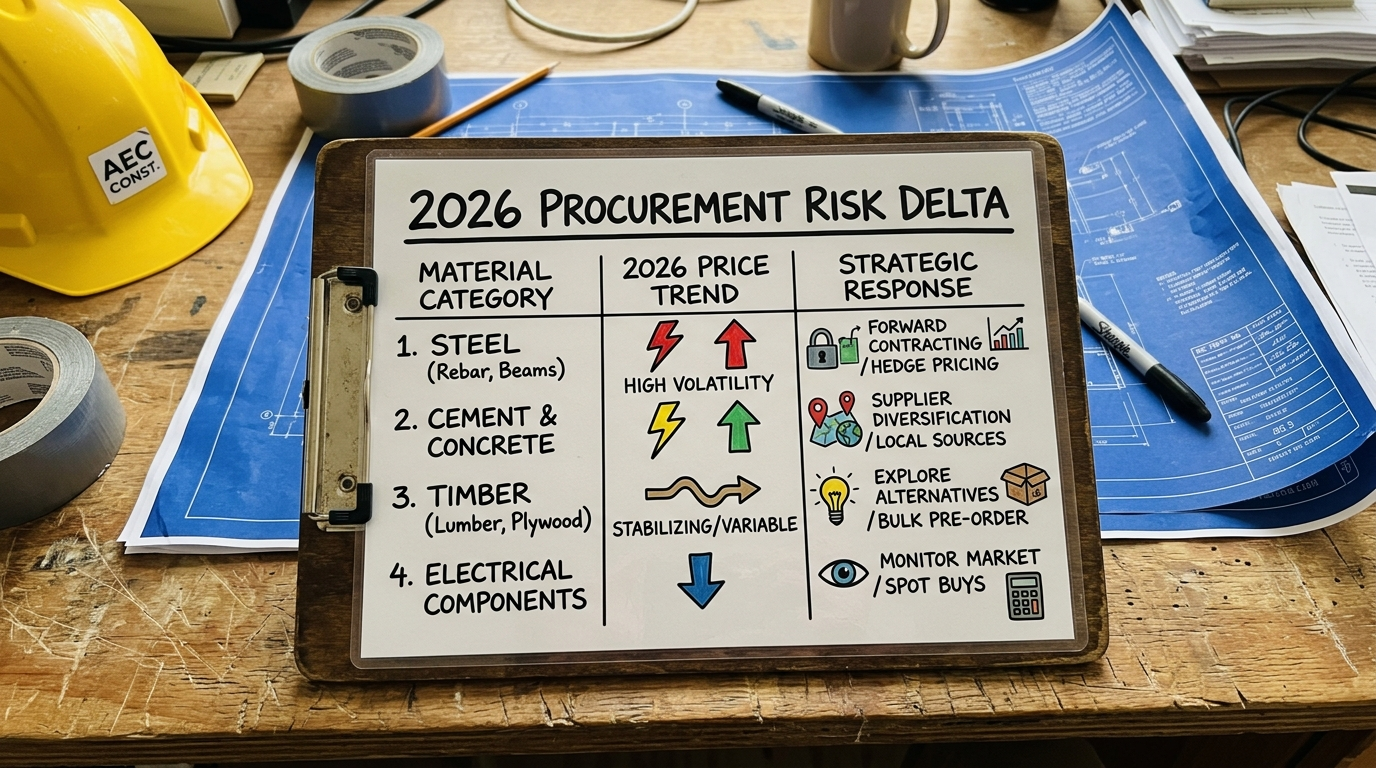
2026 Material Price Trend Forecast
Understanding the “Risk Delta” is critical for 2026 bidding. The following table outlines projected shifts and the necessary procurement response:
Material Category | 2026 Price Trend | Strategic Procurement Response |
Electrical Fixtures | +4.65% | Secure priority supply access early due to Data Center demand. |
Metallic Products | +5.0% | Use GPO (Group Purchasing Organization) price locks to offset tariffs. |
Mineral/Aggregates | +8.34% | Implement regional multi-sourcing to avoid logistics bottlenecks. |
Lumber/Timber | High Volatility | Shift to “Not Ready for Release” (NRFR) purchase orders. |
The Construction Procurement Process from Start to Finish
While every project is unique, the construction procurement process generally follows a clear set of steps to ensure transparency and efficiency.
Needs Identification: The process kicks off by reviewing design documents to create a detailed list of all required materials, services, and quantities, often in a bill of quantities (BoQ).
Supplier Identification and Qualification: Next, the team identifies potential suppliers and vets them thoroughly. This qualification process assesses their technical capability, financial stability, quality control processes, and past performance to create a list of approved vendors, often built faster by joining contractor procurement groups.
The Request for Proposal (RFP) and Bidding: A formal RFP is sent to qualified suppliers, outlining the project’s scope, specifications, and schedule. This initiates the competitive bidding process, which helps drive down costs as vendors compete for the contract.
Evaluation, Negotiation, and Award: Bids are evaluated based on a set of criteria that balances cost with quality, reliability, and schedule. This isn’t always about the lowest price but the “best value”. After selecting the top bidder, final terms are negotiated, which may result in a project specific pricing agreement.
Order Management and Logistics: Once a contract is signed, the order is placed and managed through to completion. This includes coordinating shipping, tracking progress, and ensuring everything aligns with the construction schedule to avoid disruptions.
Delivery, Inspection, and Payment: Materials are inspected upon arrival to verify they meet specifications and are free from damage. Once approved, the supplier’s invoice is processed for payment. Clear documentation at this stage is critical for quality control and financial audits.
Building Strong Foundations with Suppliers
The most successful contractors understand that procurement is about relationships, not just transactions.
Beyond Transactions: Supplier Relationship Management
Supplier Relationship Management (SRM) is a strategic approach to managing and nurturing long term partnerships with key vendors. By treating suppliers as partners, contractors can benefit from better service, preferential pricing, and greater flexibility. A strong relationship built on trust and open communication encourages suppliers to go the extra mile, especially when unexpected challenges arise. For practical tips to build stronger vendor partnerships, see our guide. For contractors looking to build these vital connections, joining a buyers’ group like the Contractors National Buyer Alliance (CNBA) can provide immediate access to a network of pre vetted, high quality vendors.
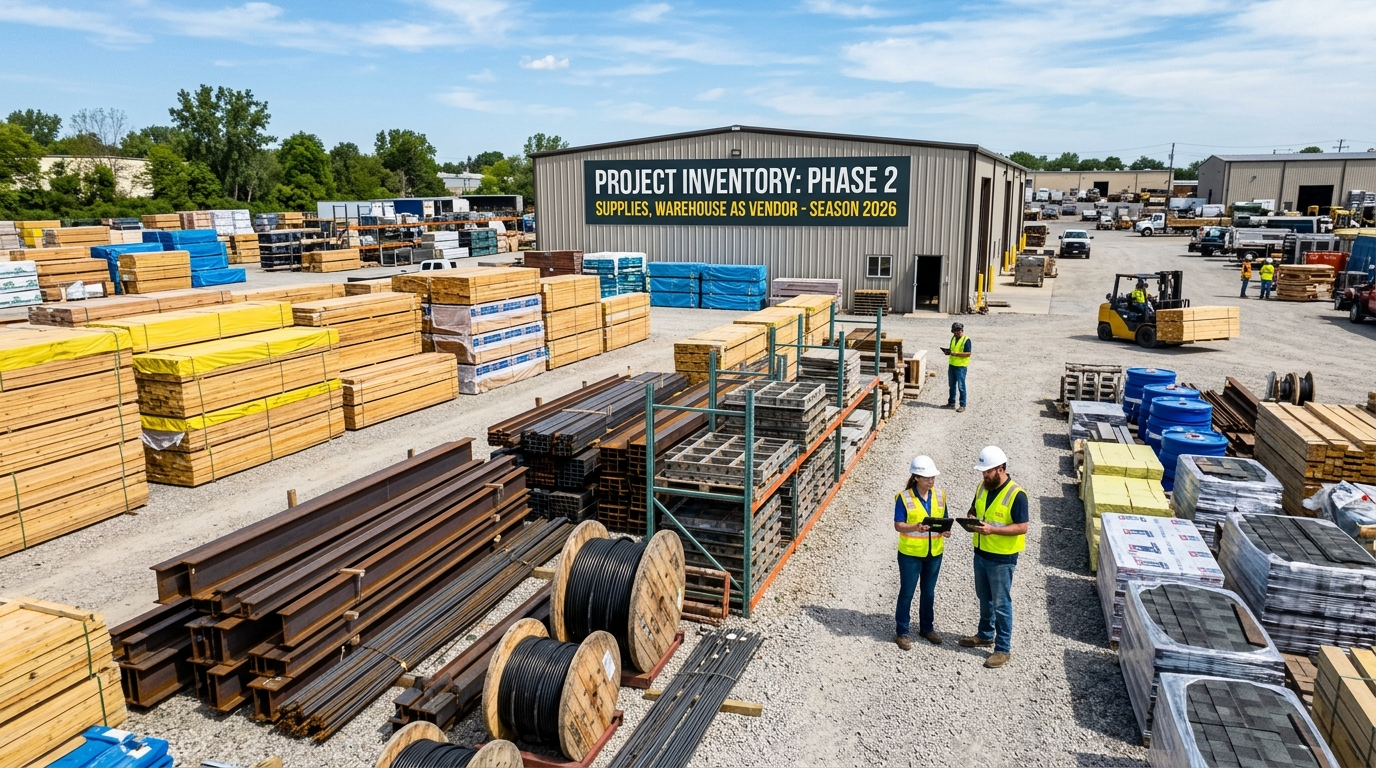
Expert Tip: In 2026, the “Spot Market” is a risk. Avoid buying materials as you need them. Instead, treat your warehouse as a vendor: buy in the winter (low demand) and “sell” to your projects in the summer to hedge against 6%+ seasonal inflation.
Measuring What Matters: Supplier Performance Metrics
To manage relationships effectively, you need objective data. Supplier performance metrics are key performance indicators (KPIs) used to track how well a vendor is meeting expectations. Common metrics include:
On Time Delivery Rate: The percentage of orders that arrive on schedule.
Quality and Defect Rate: The percentage of materials that pass inspection without issues.
Price Competitiveness: How a supplier’s pricing compares to the market average.
Responsiveness: How quickly a supplier addresses questions or resolves problems.
Tracking these metrics helps identify top performing partners and pinpoint areas for improvement with others.
The Digital Toolkit: Procurement Technology
Technology is revolutionizing construction material procurement, replacing manual paperwork with streamlined digital workflows.
E-Procurement and ERP Systems
E procurement refers to the use of online platforms to handle purchasing activities, from sending RFPs to processing invoices. The shift to digital is massive; E‑procurement sales topped $1 trillion in 2022. Many contractors manage this through an Enterprise Resource Planning (ERP) system. An ERP integrates procurement with other business functions like accounting and project management, providing a single source of truth for all project data. One report noted that optimizing an ERP system led to about a 15% reduction in raw material costs by improving purchasing efficiency.
The Future is Now: Automation and AI in Procurement
Automation and Artificial Intelligence (AI) are making procurement faster and smarter. Automation handles repetitive tasks like generating purchase orders, while AI can analyze historical spending data to identify cost saving opportunities or forecast material price trends with greater accuracy.
Ensuring Trust with Blockchain
For complex supply chains, blockchain technology offers unparalleled transparency and traceability. It creates a secure, unalterable digital ledger of every transaction, from the raw material source to the final delivery on site. This helps prevent fraud, verify material authenticity, and ensure compliance with sustainability standards.
Keeping Track: Inventory Management with Barcodes and RFID
Once materials are on site, technology continues to play a role. Using barcodes or RFID (Radio Frequency Identification) tags for inventory tracking provides real time visibility into stock levels. This helps prevent loss, theft, and shortages, ensuring that crews always have the materials they need.
Procurement for Modular and Off-Site Construction The rise of modular construction (projected to grow 8-10% this year) has fundamentally changed procurement. Unlike traditional builds, modular procurement requires:
Upfront Capital: 80% of materials are often needed at the start of the factory phase.
Logistics Precision: Tracking “Modules” as inventory items rather than individual raw materials.
Digital Twins: Using BIM (Building Information Modeling) to automate quantity take-offs with 99% accuracy.
Navigating the Complexities: Risks and Responsibilities
Effective construction material procurement also involves managing risks and upholding high standards.
Procurement Risk Management
A key part of procurement is anticipating and mitigating risks. This includes diversifying the supplier base to avoid over reliance on a single source, having contingency plans for critical items, and staying informed about market conditions.
Handling Supply Chain Disruptions
Recent years have shown how vulnerable global supply chains can be. Procurement risk management now heavily focuses on building resilience against disruptions, whether they’re caused by geopolitical events, natural disasters, or pandemics. Strong supplier relationships are often the best defense, as partners are more likely to work together to find solutions.
Upholding Standards: Ethics and Compliance
Maintaining ethical standards is paramount in construction material procurement. This means ensuring a fair and transparent bidding process for all participants and avoiding unethical practices like “bid shopping” (using one subcontractor’s bid to pressure another to lower their price). Ethical and compliance in procurement builds trust and protects a company’s reputation.
Building a Better Future: Sustainable Procurement
There is a growing emphasis on sustainable procurement, which involves sourcing materials that are environmentally friendly and socially responsible, ideally guided by a clear sourcing strategy. This can include using recycled content, choosing locally sourced materials to reduce transportation emissions, and ensuring products are manufactured under fair labor conditions. It not only contributes to a healthier planet but also meets the increasing demand for green building projects.
Conclusion
Construction material procurement is far more than a simple administrative task; it is a strategic function that directly impacts a project’s profitability and success. By adopting a proactive strategy, leveraging technology, building strong supplier relationships, and managing risks effectively, contractors can transform their procurement process into a powerful competitive advantage.
Ready to optimize your procurement and gain a competitive edge? Connect with the Contractors National Buyer Alliance (CNBA) to leverage collective buying power and access a network of trusted, industry leading vendors.
Frequently Asked Questions About Construction Material Procurement
What is the main goal of construction material procurement?
The primary goal is to acquire the necessary materials, services, and equipment of the right quality, in the right quantity, at the right time, from the right source, and at the right price to ensure a project is completed on schedule and within budget.
What’s the difference between procurement and purchasing?
Purchasing is the transactional part of the process, like placing an order and making a payment. Procurement is the broader strategic process that includes everything from needs analysis and supplier sourcing to negotiation, contract management, and relationship management.
How can small contractors improve their procurement?
Small contractors can improve by establishing standardized processes, building strong relationships with a few reliable local suppliers, and leveraging technology like simple inventory management apps. Reviewing the best buying groups for contractors can help you choose the right fit, and joining a buying group like CNBA is also highly effective, as it gives them access to the pricing and terms usually reserved for larger firms.
What is the most common procurement method in construction?
The traditional Design Bid Build (DBB) method is historically the most common. In this model, the design is completed first, then the project is put out for competitive bids from general contractors.
Why is supplier relationship management so important in construction?
The construction industry relies heavily on collaboration and reliability. Strong supplier relationships lead to better service, more flexible terms, and greater support when challenges arise. A trusted supplier is more likely to prioritize your needs and work with you to solve problems, which is invaluable for keeping projects on track.
How does technology help in construction procurement?
Technology automates repetitive tasks, increases efficiency, improves accuracy, and provides valuable data for decision making. E procurement platforms streamline bidding, ERP systems offer real time visibility into spending, and AI can help forecast prices, leading to significant cost savings and reduced risk.
Recent Comments