
In today’s competitive construction market, managing costs and maintaining a reliable supply chain are more critical than ever. For many small and mid sized contractors, competing with the purchasing power of national giants seems impossible. This is where contractor purchasing networks, also known as Group Purchasing Organizations (GPOs), come into play. A contractor purchasing network is an organization that brings together multiple independent construction businesses to pool their buying power. By combining their purchase volumes, members can negotiate for the kind of discounts, rebates, and favorable terms that are usually reserved for the largest companies, offering a powerful strategy to level the playing field.
Feature | Traditional Solo Buying | GPO Network Buying (2026) |
Buying Power | Individual volume only | Equivalent to a “Top 10” National Builder |
Price Stability | High volatility (Market-driven) | Locked-in contract pricing (Price protection) |
Rebate Access | Manual, often missed | Automated & aggregated via software |
Administrative Load | High (Negotiating with 10+ vendors) | Low (Access to pre-vetted contracts) |
Supply Priority | Low (First to be “stocked out”) | High (Tier 1 status during shortages) |
Let’s break down what these networks are, how they work, and why joining one might be one of the smartest business decisions you make this year.
What Are Contractor Purchasing Networks?
To understand how contractor purchasing networks operate, think of it this way: a single contractor building ten commercial properties a year doesn’t have much leverage with a national building materials manufacturer. But when that contractor joins a network with hundreds of other builders, their collective volume represents millions of dollars in potential sales. Suddenly, suppliers are very interested in offering the group preferential treatment. This model is incredibly effective and widely used. For instance, over 90% of U.S. hospitals use GPOs to manage their supply costs. Now, contractor purchasing networks are bringing that same collective advantage to the construction industry.
2026 Trend Alert: With the U.S. construction industry facing a shortage of nearly 500,000 workers, contractors are shifting toward modular construction and digital procurement to save time. A GPO acts as your “outside procurement department,” allowing your lean team to focus on the job site rather than the spreadsheet.
The Key Benefits of Joining a GPO
The advantages of joining a contractor purchasing network go far beyond just a simple discount. Members can unlock a wide range of benefits that impact profitability, efficiency, and stability.
Significant Cost Savings: This is the most obvious benefit. By buying as a group, members gain access to bulk pricing, especially on high‑rotation categories like cordless power tools. Studies show businesses can save an average of 10 to 25 percent on annual purchasing costs through GPO contracts. These savings go directly to your bottom line, improving project margins.
Enhanced Rebates and Rewards: Beyond upfront discounts, many GPO deals include valuable rebates. These are cash back payments from manufacturers for loyalty and volume. One homebuilder GPO distributed an incredible $16 million in rebates to its members in a single year.
Time and Administrative Efficiency: A GPO streamlines your procurement process. Instead of negotiating with dozens of individual suppliers, you gain access to pre vetted contracts. This saves countless hours on sourcing, quoting, and paperwork, allowing you to focus on your projects.
Pricing Stability and Protection: GPO agreements often include price protection clauses that shield members from market volatility. With 93% of building product manufacturers expecting cost inflation, having locked in prices provides crucial budget certainty.
A More Reliable Supply Chain: As part of a GPO, your orders are part of a much larger whole, making you less likely to face stockouts or delays during periods of high demand. That reliability extends to fleet maintenance, sourcing the best auto parts for construction at consistent pricing.
Leveling the Field: How GPOs Help Small Builders

One of the greatest strengths of contractor purchasing networks is their ability to empower small and mid sized builders. Historically, smaller firms paid a premium for materials simply because they couldn’t meet the volume thresholds for discounts. A large national builder might get 30% off insulation, while a local contractor pays full price.
A GPO eliminates this disadvantage. By aggregating the orders of many smaller companies, the network creates the purchasing clout of a massive enterprise. One builder network with around 540 independent members achieved the collective buying power of the 7th largest builder in the country. This means a local contractor can suddenly access the same pricing as a national competitor. This shift can be transformative, allowing smaller firms to bid more competitively, improve their profit margins, and take on larger projects. One custom home builder even credited joining a GPO as the key to growing his company’s revenue to $56 million a year. Alliances like CNBA are specifically designed to help contractors access these benefits. For a real‑world example, see how strategic alliances elevate contractor success.
Understanding Key Financial Tools
To get the most out of a GPO, it helps to understand the financial mechanisms that drive savings.
What are Supplier Rebates?
A supplier rebate is a cash back incentive offered by a manufacturer. Unlike a discount, which is applied at the time of purchase, a rebate is paid out later, after you’ve met certain criteria (like purchasing a specific volume over a quarter). Manufacturers use rebates to encourage brand loyalty. A typical builder might be involved in 20 to 40 different rebate programs at once. Failing to claim these is, as one expert put it, “leaving money on the table.”
How Do Rebate Savings Work?
Rebate savings are the total funds you recover through these programs, effectively lowering your net cost of materials. The savings can be substantial. Common categories include consumables like cut‑resistant gloves, where group pricing compounds over many projects. Analyses show builders often collect between $400 to $2,000 or more per house in rebate payments. One prominent GPO reported that its members saved an average of $9,500 per home when combining discounts and rebates. The key is diligence. You only realize these savings if you enroll in the programs and submit your claims, which is where GPO support becomes invaluable.
To truly win in 2026, you need to look at the Total Cost of Procurement (TCP).
Direct Savings: 10–25% off materials like lumber, steel, and PPE.
Indirect Savings: 15+ hours saved per month on vendor vetting.
Operational Alpha: Access to Fleet Management and Propane/Fuel contracts—often the most volatile expenses for 2026 contractors.
Choosing the Right Contractor Purchasing Network
Not all GPOs are created equal. Finding the right fit for your business requires careful consideration of several factors.
GPO Selection Criteria to Consider
Industry Focus: Does the GPO specialize in construction? A generalist GPO offering deals on office supplies won’t help you save on concrete and steel. Look for networks with vendor contracts relevant to your core business.
Vendor Partnerships: Examine the GPO’s network of suppliers and manufacturers. Do they partner with the brands you trust? A strong network will have dozens of national brand partnerships.
Membership Requirements: Understand the costs and commitments. Is there an annual fee? Are you required to meet minimum purchase volumes? Ensure the structure aligns with your business operations.
Support and Tools: Look for a GPO that offers more than just deals. Do they provide data analytics, account support, or software to help you track rebates and spending? These tools add significant value.
Why Due Diligence is Non Negotiable
Before joining any of the available contractor purchasing networks, it is crucial to do your homework. Verify the GPO’s performance claims by asking for case studies or references. A trustworthy organization will be transparent. Read the membership agreement carefully to understand all fees and commitments. Finally, assess the organization’s reputation. High member satisfaction is a great indicator, with one survey finding 90% of executives were satisfied with their GPO partnership. Taking the time to properly vet your options ensures you find a true partner for your business.
Ready to see how a GPO could work for you? Contact CNBA to discuss their program details and get an estimate of your potential savings.
How Contractor Purchasing Networks Operate
Understanding the structure and strategy of these networks can help you leverage them more effectively.
The Power of Local Chapters
Many national contractor purchasing networks organize members into regional groups or local chapters. This structure allows a large alliance to act with local focus. Members in a specific city can meet regularly to coordinate group buys from local distributors, share market insights, and network with regional vendors. It fosters a strong sense of community and makes the GPO highly responsive to local market conditions.
Growing Your Business with Scalability Support
As your company grows, a GPO provides critical scalability support. When you land a large project, you can tap into the network’s pre negotiated contracts to procure materials at a competitive price without having to scramble for new suppliers. The GPO gives you the buying power of a much larger company exactly when you need it most, removing procurement bottlenecks and enabling you to take on bigger jobs with confidence.
Leveraging National Brand Partnerships
Strong brand partnerships are the backbone of effective contractor purchasing networks. These are formal agreements the GPO secures with major manufacturers, giving all members access to special pricing, rebates, and promotions. A top tier construction GPO may have over 30 national brand partnerships. By joining, you instantly tap into these established relationships, allowing you to use high quality, brand name products while still cutting costs. That can include critical safety categories (see this overview of construction safety and PPE must‑haves).
Modern GPOs now integrate directly with construction management software. If you use Procore, Autodesk Construction Cloud, or JobTread, look for GPOs that offer:
API Data Feeds: Real-time price updates in your estimating software.
Digital Invoicing: Automated reconciliation to prevent overbilling.
Sustainability Reporting: Automated tracking of “Green Building” material credits, which are becoming mandatory for 2026 commercial bids.
Strategic Advantages of GPO Membership
Beyond the immediate financial benefits, these networks offer powerful strategic advantages that strengthen your entire operation.
Unlocking Significant Procurement Savings
Procurement savings refers to the total cost reduction achieved when acquiring goods and services. GPOs are a primary driver of these savings. By leveraging pre negotiated discounts, avoiding price hikes, and streamlining the purchasing process, members can significantly lower their overall procurement spend. Savings often add up fastest in everyday jobsite essentials. The average savings of 10 to 25 percent can translate into tens of thousands of dollars in improved profitability each year.
Gaining Stability with Pricing Protection
In an industry where material costs are notoriously volatile, pricing protection is a massive advantage. Many GPO contracts include clauses that lock in prices for a set period or cap potential increases. This insulates your projects from sudden price spikes, allowing you to bid jobs with greater accuracy and protect your margins from unforeseen material inflation.
Strengthening Your Supply Chain
A GPO can make your supply chain more resilient. By aggregating demand, the network provides suppliers with better forecasting, which helps prevent shortages. In times of widespread disruption, a GPO can leverage its entire network to find alternative sources for critical materials. This collective power ensures a more reliable and efficient flow of goods to your job sites.
Tools of the Trade: Making the Most of Your Membership
Modern contractor purchasing networks provide digital tools to help members maximize their benefits.
Streamlining with Rebate Software Integration
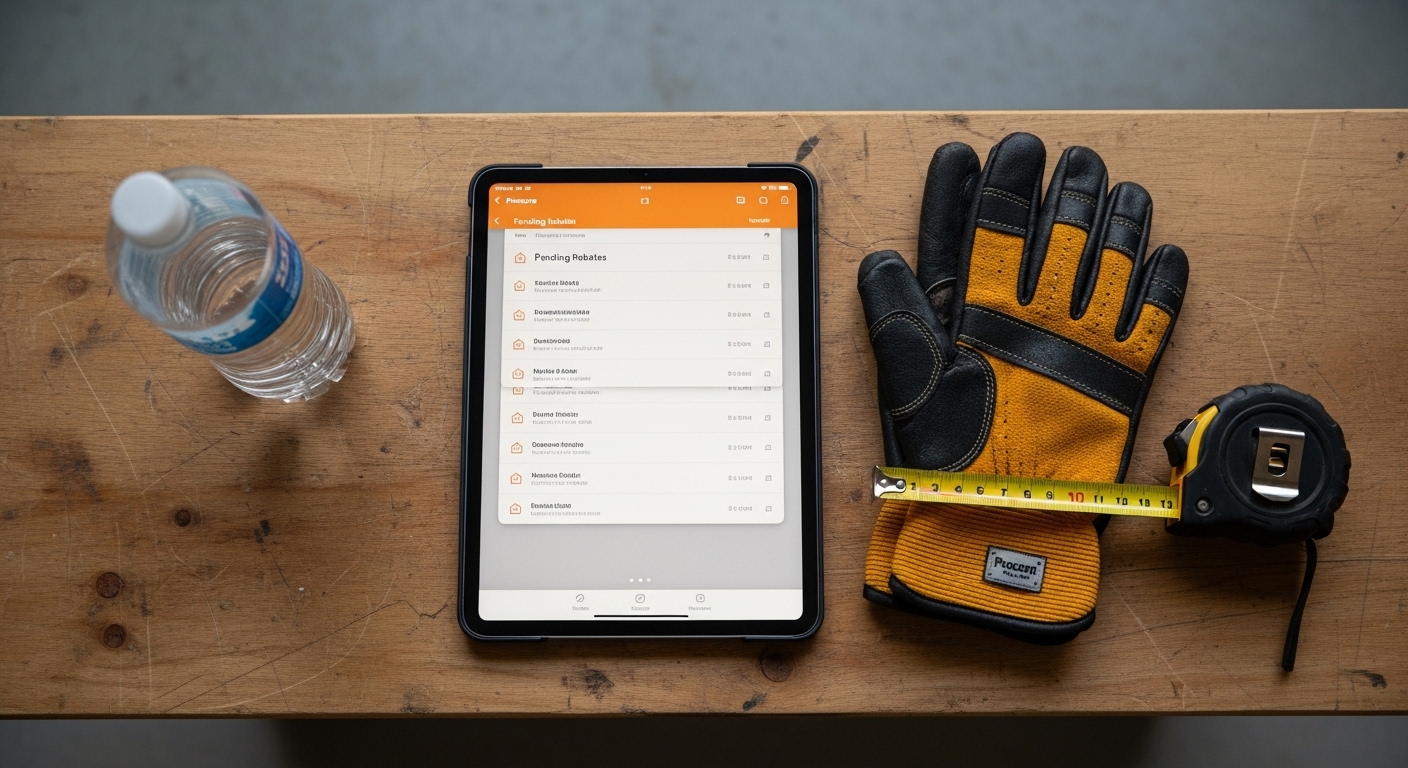
Tracking dozens of rebate programs manually is a headache. Many GPOs offer rebate management software or a member portal that automates the process, often leveraging purpose‑built software for contractors. These tools track your purchases against program requirements, notify you of eligible rebates, and can even help automate claim submissions. This ensures you capture every dollar of savings you are entitled to.
Projecting Your ROI with a Savings Calculator
A savings calculator is a tool that estimates how much money your company could save by joining the network. You input your annual spend in different categories, and the calculator applies the GPO’s negotiated discounts and rebate rates to project your potential savings. It’s a powerful way to see a personalized data driven forecast of the GPO’s financial impact on your business.
The Untapped Value of Peer Networking
When you join a contractor purchasing network, you are also joining a community of peers. Through local chapter meetings and national events, you can connect with other contractors to share best practices, discuss common challenges, and even collaborate on projects. To get the most from those touchpoints, review CNBA’s trade show and annual meeting essentials. Many members find the relationships and insights gained from this peer network to be just as valuable as the financial savings. An alliance of successful commercial contractors, like the Contractors National Buyer Alliance (CNBA), builds a community where members can support each other’s growth.
Frequently Asked Questions about Contractor Purchasing Networks
1. What is the main goal of contractor purchasing networks?
The primary goal is to pool the purchasing power of multiple contractors to secure better pricing, rebates, and terms from suppliers and manufacturers, leveling the playing field with larger competitors.
2. Are there fees to join a GPO?
It varies. Some GPOs charge a membership fee, while others are funded by administrative fees paid by the suppliers. It’s important to understand the fee structure of any network you consider joining.
3. Do I have to buy exclusively from GPO suppliers?
Most contractor purchasing networks are flexible. They allow you to use their contracts when they offer the best value while still maintaining relationships with your other preferred suppliers.
4. How much can a small contractor really save?
Savings depend on your purchasing volume and how actively you use the GPO’s programs. However, it’s common for members to save 10% or more on their material costs, with some programs delivering average savings of over $9,000 per project through combined discounts and rebates.
5. What’s the difference between a discount and a rebate?
A discount is a price reduction you receive at the time of purchase. A rebate is a cash back payment you receive from the manufacturer after the purchase, once you’ve met certain volume or loyalty requirements.
6. How do contractor purchasing networks help with material shortages?
By providing suppliers with aggregated demand forecasts, these networks help manufacturers better plan production. Furthermore, during a shortage, a GPO can leverage its large network and strong supplier relationships to find alternative sources more effectively than a single contractor could alone.

Recent Comments