
In the construction world, thin margins and tight deadlines are the name of the game. With material costs swinging wildly and supply chains facing constant pressure, how you buy things is just as important as how you build them. This is where a strong construction sourcing strategy, a comprehensive plan for acquiring all necessary materials, labor, and services, comes into play. It’s no longer enough to just find the lowest price for today’s needs. A truly effective strategy can lower costs, reduce project delays, and give you a powerful competitive edge.
Let’s break down what a modern construction sourcing strategy looks like and explore the concepts that can transform your procurement from a simple cost center into a strategic advantage.
Executive Summary: Strategic Sourcing in 2026
A construction sourcing strategy is a long-term procurement framework designed to mitigate supply chain volatility and improve margins. In 2026, successful strategies prioritize:
Collective Buying Power: Leveraging GPOs like the CNBA to access tier-1 pricing.
Digital Integration: Using e-sourcing for real-time visibility into material lead times.
Risk Mitigation: Vetting vendors for CMMC 2.0 cybersecurity and sustainability compliance. Key Takeaway: Shifting from tactical “lowest-bid” buying to strategic “best-value” sourcing typically improves project margins by 5% to 10%.
What Is a Construction Sourcing Strategy?
A construction sourcing strategy is a company’s long term plan for acquiring all the materials, labor, equipment, and services needed to complete projects successfully. Since procurement can account for a massive 40 to 70% of a construction company’s total spending, getting it right has a huge impact on the bottom line.
The core idea is to move from tactical buying (reacting to immediate needs) to a strategic approach (proactive planning). Instead of just chasing the lowest upfront price, a strategic plan focuses on total value, risk management, and building strong supplier relationships. The results speak for themselves. Construction firms that implement best in class procurement practices often enjoy profit margins 5 to 10 percentage points higher than their competitors.
Key Sourcing Models and Delivery Methods
Your overall construction sourcing strategy starts with choosing the right project delivery model. Each one has its own approach to risk, collaboration, and scheduling.
Traditional Sourcing (Design Bid Build)
This is the classic method where the project owner hires a designer to create the plans, then contractors bid on the finished design. The job is typically awarded to the lowest bidder. While straightforward, this model can lead to problems. Because the builder isn’t involved in the design phase, issues are often discovered late, leading to change orders and delays. Studies show that projects using this low bid approach experience more cost growth and schedule creep compared to more collaborative methods.
Modern Collaborative Approaches

To overcome the limits of traditional sourcing, many owners and contractors have turned to models that integrate teams earlier in the process.
Design Build Delivery: With design build, a single contract covers both the design and construction of a project. This creates one unified team, fostering collaboration from day one. This model has exploded in popularity, and for good reason. On average, design build projects are delivered a remarkable 102% faster than traditional design bid build projects and experience 3.8% less cost growth. It’s no wonder that 76% of owners report having very good or excellent experiences with this method.
Management Contracting: In this model, the owner hires a management contractor who acts as an expert consultant to oversee and coordinate all the trade contractors. The work is 100% subcontracted, but the management contractor’s early involvement helps streamline the schedule and manage complex jobs. This approach allows construction to begin on early phases before the entire project design is even complete, offering excellent flexibility.
Partnership or Joint Venture Sourcing: For very large or complex projects, two or more companies may form a joint venture to pool their resources, share risks, and combine their expertise. This allows them to tackle jobs that would be too big for one firm alone. A different kind of partnership is a buying alliance (see our Contractor Group Purchasing Organization Guide for what to evaluate). Organizations like the Contractors National Buyer Alliance (CNBA) bring multiple contractors together to leverage their collective buying power. By partnering up, even mid sized firms can get the kind of pricing and service normally reserved for the industry giants.
Comparison of 2026 Project Delivery Methods
Method | Speed | Risk to Contractor | Best For |
Design-Bid-Build | Slow | High (Change Orders) | Simple, repetitive builds |
Design-Build | Fastest | Shared | Complex, time-sensitive projects |
Management Contracting | Moderate | Low | High-flexibility commercial jobs |
Joint Venture/GPO | Varies | Diversified | Maximizing profit via bulk buying |
Building Your Strategic Sourcing Framework
A strategic sourcing framework is the step by step process you follow to make smart, repeatable procurement decisions. It turns sourcing from guesswork into a science.
The Strategic Sourcing Process Explained
While models vary, a strong process generally involves analyzing your spending, researching the market, soliciting proposals, negotiating contracts, and managing supplier performance over time. It is a methodical, data driven approach that ensures every purchase aligns with your company’s goals.
Step 1: Research and Qualification
Before you can buy smarter, you need to understand what you’re currently buying and who you can buy it from. This involves two key activities:
Spend Analysis and Classification: This is the process of collecting, cleansing, and categorizing your spending data to see where the money is going. By analyzing spend, you can spot opportunities to consolidate suppliers and negotiate volume discounts.
Market Research and Supplier Qualification: This involves researching the supply market to identify capable vendors and then vetting them. You pre screen potential suppliers based on their financial stability, safety record, capacity, and past performance to filter out any high risk partners.
Step 2: Solicitation and Selection
Once you have a list of qualified suppliers, it’s time to get competitive proposals. This phase is about more than just collecting prices.
Competitive Proposal Solicitation: You invite multiple suppliers to bid on a scope of work, often through a Request for Proposal (RFP). This competition ensures you receive fair market pricing.
Supplier Evaluation and Selection: Here, you move beyond the lowest bid and evaluate proposals based on “best value”. This means weighing factors like quality, schedule, and experience alongside price. You assess each supplier’s technical capabilities, track record, and financial health to pick a partner who is truly set up for success.
Total Cost of Ownership (TCO) Analysis: A smart evaluation always considers the TCO. Instead of just the initial purchase price, TCO includes all lifecycle costs like maintenance, operation, and disposal. A cheaper machine that guzzles fuel and breaks down constantly might have a much higher total cost than a more expensive, reliable alternative.
The New Compliance Standard: CMMC 2.0 and Sustainability
In 2026, sourcing is no longer just about the physical product; it’s about the data and ethics behind it.
Cyber-Readiness (CMMC 2.0): If you are bidding on government-adjacent or infrastructure projects, your vendors must meet CMMC 2.0 standards. A weak link in your subcontractor’s cybersecurity is now a disqualifier for the prime contractor.
Sustainability & ESG: With 2026 mandates focusing on “Scope 3” emissions, procurement teams must track the environmental impact of materials. This includes selecting vendors who provide transparent data on carbon-light manufacturing processes.
Step 3: Negotiation and Execution
With a top supplier selected, the next step is to finalize the agreement. Contract negotiation and execution are critical for setting clear expectations and preventing future conflicts. A well drafted contract fairly allocates risk and defines the scope of work precisely. This is vital, as poorly written contracts are a leading cause of construction disputes globally.
Step 4: Ongoing Management and Improvement
The work isn’tdone after the contract is signed. The best sourcing strategies include a plan for managing relationships and getting better over time.
Supplier Relationship Management (SRM): This is the practice of collaborating with key suppliers to drive mutual value. By treating suppliers like partners, you can gain benefits like better service, early warnings about market shifts, and even joint innovation. For a real-world example, see how DRYCO used a CNBA alliance to elevate contractor success.
Continuous Improvement: The construction industry’s labor productivity has only grown about 1% annually over the last two decades. There is massive room for improvement. Continuous improvement in sourcing means constantly reviewing performance, learning from each project, and refining your processes to get more efficient.
Sourcing the Core Components of Your Project
Every construction project relies on a steady flow of materials, labor, and equipment. A focused construction sourcing strategy for each category is essential.
Material Procurement
Materials are the lifeblood of any project. Material procurement involves sourcing everything from concrete and steel to drywall and lumber. With prices being so volatile, a strategic approach might involve locking in prices early, qualifying alternative suppliers, or aggregating your company’s total demand to negotiate bulk discounts. This is another area where a buyer’s group can provide a significant advantage. By joining an alliance like CNBA, contractors can access national vendor programs and secure better pricing on essential materials.
Leveraging GPOs: The Small Contractor’s “Superpower”
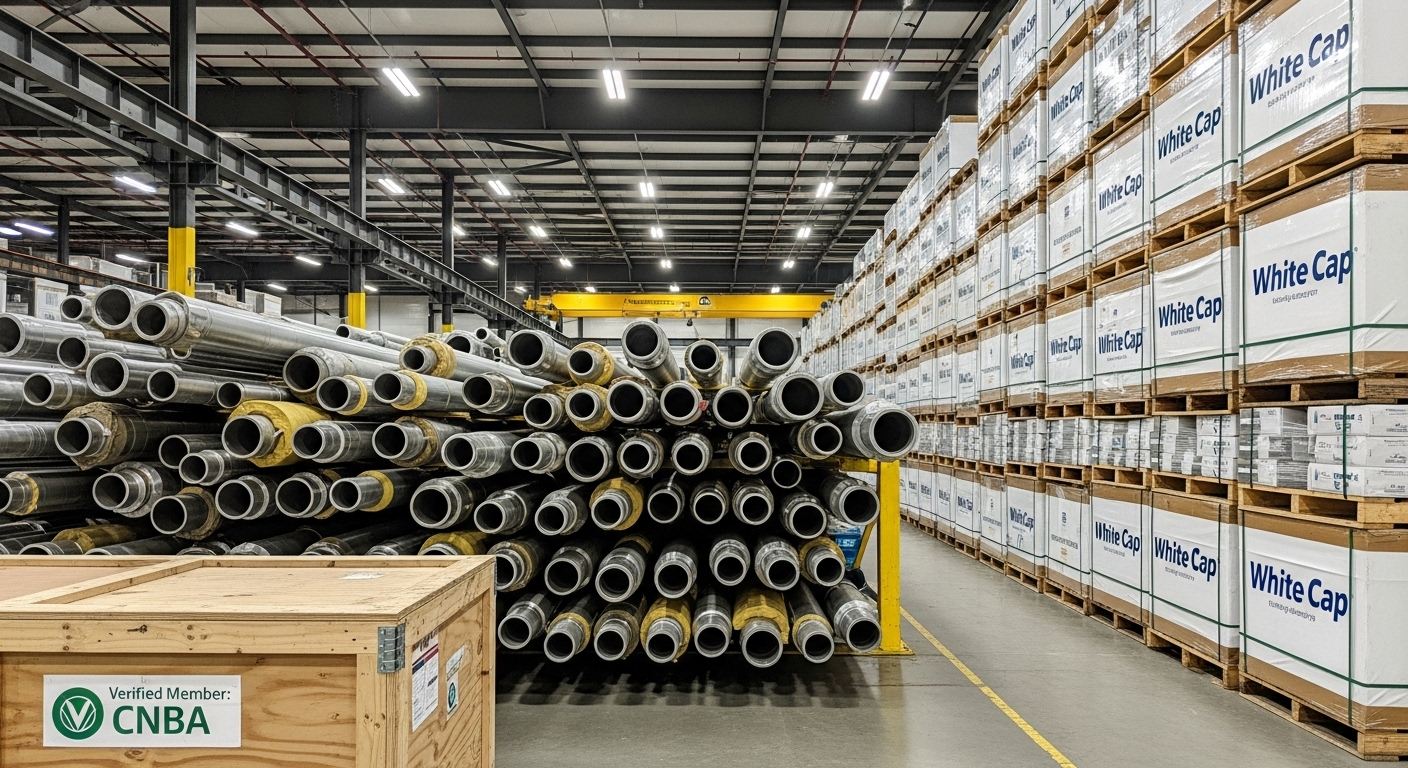
For independent contractors, the biggest hurdle is competing with “Big Construction” prices. Group Purchasing Organizations (GPOs) level the playing field.
Feature | Traditional Sourcing | GPO/Alliance Sourcing (e.g., CNBA) |
Pricing Tier | Market Rate / Retail | National Account / Tier-1 Pricing |
Vendor Access | Local/Limited | National Vendor Programs (White Cap, etc.) |
Vetting | Done manually per project | Pre-vetted for safety and financial stability |
Administrative Burden | High (Negotiating every PO) | Low (Pre-negotiated contracts) |
Labor Sourcing
Finding and managing skilled labor is one of the biggest challenges in construction today. Labor sourcing includes hiring direct employees and managing specialty trade partners. With widespread worker shortages affecting schedules and budgets, having a solid network of reliable subcontractors is more important than ever.
Equipment and Subcontractor Management
Equipment Rental Agreement: For specialized or infrequently used machinery, renting is often more cost effective than buying. A clear equipment rental agreement defines terms for rates, maintenance, and liability, giving you access to the right tools without the heavy capital investment.
Subcontractor Management: Since subcontractors perform the majority of work on many job sites, managing them effectively is non negotiable. This involves careful prequalification, clear communication, precise scheduling, and diligent performance monitoring to keep the entire project moving in sync.
The Role of Technology and Data in Modern Sourcing
Technology is finally transforming construction, and procurement is no exception. Digital tools and data are making sourcing faster, smarter, and more transparent.
E Sourcing Platforms and Workflow Automation
An e sourcing platform is a digital tool that streamlines procurement, from sending out RFPs to receiving and comparing bids electronically. These platforms bring speed and transparency to the process. For construction teams evaluating software, see Software for the Hard Business of Pavement. Workflow automation takes this a step further by using software to handle repetitive tasks like routing approvals or sending reminders, freeing up your team to focus on more strategic work.
Leveraging Data for Smarter Decisions
Data Analytics for Sourcing Insight: By analyzing past spending data, supplier performance metrics, and market trends, you can uncover powerful insights. Data analytics can help you identify savings opportunities, predict price spikes, and choose the most reliable suppliers.
Real Time Supply Chain Visibility: Knowing where your materials and equipment are at all times is a game changer. Real time visibility tools use GPS and other tech to track shipments from the factory to the job site. This allows you to anticipate delays and adjust your plans proactively instead of being caught by surprise. During the height of recent disruptions, Only 9% of construction firms reported no significant supply-chain problems in 2022, highlighting the urgent need for better visibility. And don’t overlook cybercrime risks to your procurement systems.
Key Principles for a Successful Strategy
Beyond specific models and tools, a winning construction sourcing strategy is built on a few core principles.
Centralized Procurement Planning
Instead of each project team buying independently, centralized procurement planning coordinates purchasing across the entire company. This approach leverages your full buying power to negotiate better deals, ensures consistency, and allows a dedicated team to monitor market risks.
The Importance of Cross Functional Collaboration
Sourcing decisions shouldn’t happen in a vacuum. Cross functional collaboration means the procurement team works closely with project management, engineering, and finance. This ensures that what you buy truly meets the project’s technical needs, budget, and schedule.
Ensuring Compliance and Ethical Sourcing
Finally, every sourcing decision must be grounded in compliance and ethical sourcing. This means adhering to all laws and regulations, from safety standards to “Buy America” provisions. On the jobsite, a practical PPE checklist helps ensure compliance every day. It also involves ensuring your suppliers operate ethically, particularly around labor practices and environmental impact. With about 90% of a construction firm’s emissions coming from its supply chain (Scope 3), procurement is on the front lines of building a more sustainable industry.
Conclusion: Your Path to a Smarter Sourcing Future
Developing a robust construction sourcing strategy is an ongoing journey, not a one time task. It requires a shift in mindset from short term, tactical buying to long term, strategic planning. By embracing collaborative delivery models, building a structured sourcing framework, leveraging technology, and focusing on total value, you can build a more resilient and profitable business.
Effective sourcing gives you control in an industry full of uncertainties. It helps you deliver projects more smoothly and reliably, which is the ultimate key to client satisfaction and growth. If you are ready to take your procurement to the next level, exploring a partnership could be a powerful first step. Learn more about how CNBA helps contractors implement these best practices and turn their sourcing into a true strategic advantage. For the latest vendor additions and member updates, visit CNBA News.
Frequently Asked Questions about Construction Sourcing Strategy
What is the first step in creating a construction sourcing strategy?
The first step is typically a spend analysis. You need to thoroughly understand where your company’s money is currently going, which suppliers you use most, and which categories represent the biggest opportunities for savings and improvement.
How does a good sourcing strategy save money?
It saves money in multiple ways: by leveraging total company spend for volume discounts, by reducing risks that lead to costly delays and rework, by negotiating better contract terms, and by choosing suppliers who offer the best total cost of ownership, not just the lowest initial price.
Is design build always better than traditional design bid build?
Not always, but for many projects, yes. Design build excels on projects where speed, collaboration, and innovation are key. Its integrated nature often leads to faster schedules and lower cost growth. However, traditional design bid build can still be suitable for simpler, well defined projects where the owner wants to maintain separate design and construction contracts.
How can a smaller contractor develop a strong sourcing strategy?
Smaller contractors can start by focusing on the fundamentals: building strong relationships with a core group of reliable local subcontractors, carefully tracking their spending to identify patterns, and always evaluating suppliers on more than just price. Joining a buying group or alliance like CNBA is also a highly effective way for smaller firms to gain the purchasing power of a larger company.
What is the difference between strategic and tactical sourcing?
Tactical sourcing is reactive and short term. It focuses on fulfilling an immediate need at the lowest possible price. A construction sourcing strategy is proactive and long term. It involves planning, data analysis, and relationship building to achieve broader business goals like risk reduction, innovation, and sustained value.

Recent Comments