
In the world of construction, what gets measured gets managed. This is especially true for procurement, the lifeblood of any project. Keeping track of the right metrics, or construction procurement KPIs (Key Performance Indicators), can be the difference between a project that’s on time and on budget, and one that spirals out of control.
But let’s be honest, the world of KPIs can feel like a sea of acronyms and jargon. This guide is here to change that. We’ll break down the most important metrics in a clear, straightforward way, explaining what they are, why they matter, and how they help you build a more efficient, cost effective, and reliable supply chain. Understanding these construction procurement KPIs is the first step to identifying real opportunities for improvement.
What are Construction Procurement KPIs?
Construction procurement KPIs (Key Performance Indicators) are quantifiable metrics used to evaluate the efficiency, cost-effectiveness, and reliability of a construction firm’s supply chain. In 2026, the most critical KPIs focus on Cycle Time (speed), Supplier On-Time Delivery (reliability), Procurement ROI (financial impact), and Spend Under Management (control). Tracking these allows firms to reduce project delays and protect profit margins against material price volatility.
KPIs for Speed and Efficiency
Time is money, especially on a job site. Delays in getting materials or processing paperwork can cause significant and costly disruptions. These KPIs measure the velocity of your procurement process.
Procurement Cycle Time
This is the big one. It measures the total time from identifying a need (a requisition) to placing the purchase order. A long cycle time can delay projects. APQC reports a median of 2 days from purchase requisition receipt to purchase order release (cross‑industry). The Standard time guideline for purchase orders is 30 days (measured from requisition submission to PO/contract issuance).
Purchase Order Cycle Time
A subset of the overall cycle time, this KPI focuses only on the internal process. It measures the time from receiving a formal request to issuing the actual PO to a supplier. Automation can slash this time dramatically. For instance, studies show that procurement automation can reduce purchase order administrative time by as much as 75%.
Lead Time
This is the clock that starts ticking once you place an order. Lead time is the duration from when a PO is sent to a supplier until the goods are delivered to your site. It’s a fundamental metric because it directly impacts your project schedule and inventory levels.
Communication Lead Time
This often overlooked metric tracks the “waiting time” caused by slow information flow. It’s the delay between a project manager requesting materials and the procurement team actually processing that request. Poor communication is a major source of delays.
Time to Award Tender
For larger, competitively bid jobs, this measures the time from issuing a Request for Proposal (RFP) to awarding the contract. A slow process here can delay the start of a project. Using e sourcing platforms can cut this cycle time by about 30% on average.
Time to Negotiate Contract
Once you’ve selected a supplier, this KPI tracks how long it takes to get the contract signed. Lengthy legal reviews can be a major bottleneck. For mid complexity agreements, the average bid-to-contract cycle for medium-complexity agreements is 11.6 weeks for domestic contracts and 13.7 weeks for international contracts, but it can be much longer.
KPIs for Reliability and Quality
Getting materials quickly is great, but it doesn’t matter if they are late, wrong, or defective. These construction procurement KPIs focus on the dependability and quality of your supply chain.
Supplier On Time Delivery
This is a straightforward but critical metric. It’s the percentage of deliveries from a supplier that arrive on or before the agreed upon date. Late deliveries are a huge problem, with 39% of small manufacturers cited receiving raw materials past due as the top reason for late deliveries.
Lead Time Variance
Reliability is just as important as speed. This KPI measures the consistency of a supplier’s lead time. A supplier who always delivers in 10 days is often better than one who averages 7 days but can sometimes take 20. High variance forces you to carry extra inventory just in case. Inconsistent supplier lead times can cause a company’s own on time fulfillment rates to plummet.
Delivery Accuracy
This metric checks if you received the right items, in the right quantities, without any damage. It’s the percentage of orders that arrive perfectly. High delivery accuracy is crucial, as errors can halt work on site.
Order Fill Rate
This measures the percentage of an order that a supplier can fill immediately from their stock. A low fill rate means backorders and partial shipments, which create logistical headaches and potential delays for your project.
Supplier Defect Rate
Quality is non negotiable in construction. This KPI tracks the percentage of materials or components from a supplier that are defective. A high defect rate can lead to rework, safety issues, and project delays. World class suppliers aim for a quality level known as Six Sigma, which translates to just 3.4 defects per million opportunities.
PO Accuracy (Purchase Order Accuracy)
Getting it right from the start matters. This measures the percentage of purchase orders that are issued without errors (like wrong part numbers, prices, or quantities). Mistakes on a PO create a ripple effect of problems, from incorrect deliveries to invoice disputes.
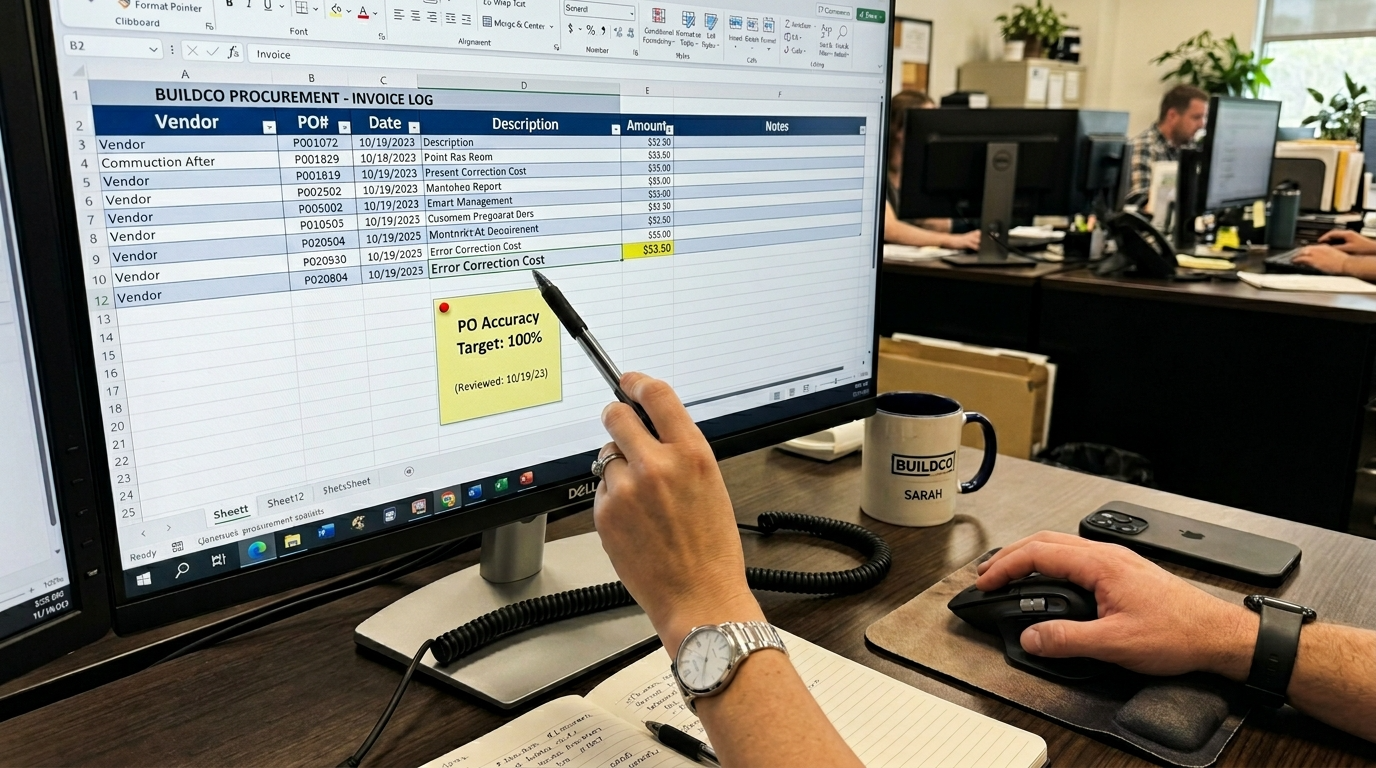
Invoice Accuracy
This KPI measures the percentage of supplier invoices that are correct and match the purchase order and delivery receipt. Inaccurate invoices create extra work for your accounting team and can delay payments, straining supplier relationships. It’s estimated that each paper invoice error costs companies $53.50 to rectify.
KPIs for Cost and Financial Health
Effective procurement is a major driver of profitability. These construction procurement KPIs help you track financial performance and ensure you’re getting the best value.
Procurement Cost Variance
This metric compares the budgeted or expected cost of materials against the actual cost paid. A negative variance means you’re over budget. This is a crucial metric for project cost control, especially in an industry like construction where material prices can be volatile.
Procurement ROI (Return on Investment)
This KPI measures the financial return your procurement team generates compared to its operating cost. For every dollar you invest in your procurement function, how many dollars in savings—via rebates and negotiated terms—does it deliver? An ROI greater than 20% is often considered exemplary.
Spend Under Management Percentage
This is a core metric showing how much of your company’s total spending is actively managed by the procurement team. The more spend you manage, the more opportunities you have to consolidate buying power and negotiate savings. Best in class organizations often have 91.7% of enterprise spend under management, compared to an average of around 55 to 60%.
Inventory Value
This is the total monetary value of materials you hold in stock. While you need materials on hand, too much inventory ties up cash that could be used elsewhere. Holding costs, which include storage and insurance, can run about 20 to 25% of the inventory’s value per year.
Average Payment Term
This refers to the typical time you take to pay your suppliers (e.g., Net 30, Net 60). Managing this is a balancing act. Longer terms improve your working capital, but pushing it too far can harm supplier relationships and their financial health.
Payment Term Accuracy
This simply measures if you are paying your suppliers on time according to the agreed upon terms. Consistently paying on time builds trust and can make you a preferred customer, which is invaluable when materials are scarce.
2026 Construction Procurement Benchmarks
KPI Metric | Industry Average | Best-in-Class Target |
Spend Under Management | 55–60% | 90% + |
Supplier On-Time Delivery | 78% | 95% + |
Procurement ROI | 7–10% | 20% + |
Emergency Purchase Rate | < 15% | < 5% |
Contract Compliance | 50–60% | 85% + |
KPIs for Supplier and Risk Management
Your suppliers are critical partners. Managing them effectively and mitigating supply chain risks are essential for success. These construction procurement KPIs provide insight into the health of your supply base.
The Shift to Resilience: ESG and Digital KPIs in 2026
Modern construction procurement has evolved beyond just price. To remain competitive, firms are now tracking:
Supplier Diversification Score: Reducing reliance on single-source vendors to mitigate regional supply chain shocks.
Carbon Footprint Per Project: Tracking the environmental impact of logistics and material sourcing (excluding direct emissions).
Digital Adoption Rate: The percentage of vendors integrated via automated EDI or e-procurement portals.
Supplier Availability
This KPI assesses a supplier’s ability to fulfill your orders when you need them. Do they have the capacity and inventory to meet your project’s demands? Strong supplier relationships, often managed through formal programs, can lead to continuous performance improvements.
Material Availability
This is the flip side of supplier availability. It measures whether you have the required materials on hand when your crews need them. A stockout of a critical item can bring a whole project to a standstill.
Contract Compliance Rate
This measures how much of your purchasing is done through approved contracts with preferred suppliers or purchasing cooperatives. When teams buy “off contract,” you lose out on negotiated savings and may take on unnecessary risk. Best-in-class companies achieve 80 percent of spend on‑contract, and some reach 90 percent.
Contract Coverage
This KPI looks at what percentage of your total spending has a formal contract in place. High coverage means you have pre negotiated prices, terms, and conditions for most of your purchases, leading to more predictability and control.
PO Coverage (Purchase Order Coverage)
This tracks the percentage of company spending that is processed with an official purchase order. High PO coverage provides better visibility, budget control, and an audit trail for all purchases. Enforcing a “No PO, no pay” policy is a common way to drive this number up.
Emergency Purchase Rate
This is the percentage of your buying that happens on a last minute, urgent basis. A high rate is a red flag for poor planning or unreliable suppliers, and these rush orders almost always cost more.
Single Source Supplier Count
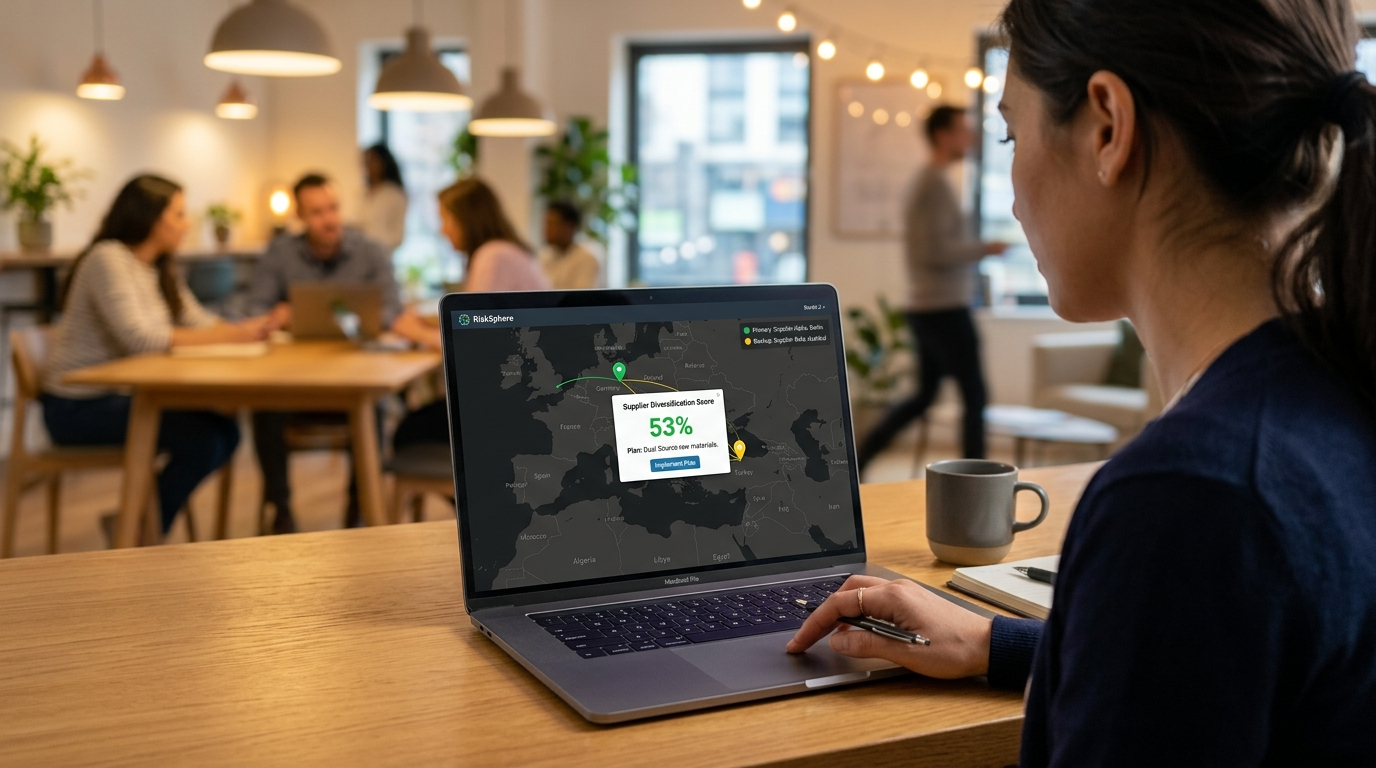
This KPI tracks how many of your critical materials come from a single supplier with no immediate backup. Relying on one source is a major risk. If that supplier has a problem, your project is in jeopardy. Recognizing this, a recent study found that 53% planned to dual source raw materials to build resilience.
Supplier Change Rate
This measures the “churn” in your supply base, or how often you switch suppliers. A high rate could signal performance problems, while a very low rate might suggest complacency. The goal is to balance stable, long term partnerships with the flexibility to adapt.
Supplier Audit and Corrective Action
This isn’t a single number, but a process you can measure. It involves auditing suppliers for quality and compliance and tracking their progress on fixing any issues found. This proactive approach prevents problems before they impact your projects.
Driving Improvement with a Partner
Tracking these construction procurement KPIs is the first step. The next is taking action to improve them. For many contractors, this is where a group purchasing organization can be a game changer. Alliances like the Contractors National Buyer Alliance (CNBA) help members leverage combined buying power and shared best practices. By joining, contractors can often improve cost metrics, increase their spend under management, and gain access to reliable, pre vetted national vendor programs.
If you’re looking to elevate your procurement performance, exploring an alliance like CNBA could provide the tools and leverage you need. Visit the CNBA website to learn how they can help streamline your supply chain.
Frequently Asked Questions about Construction Procurement KPIs
1. Where should I start if I’m new to tracking construction procurement KPIs?
A great starting point is to focus on three core areas: cost, quality, and time. Begin with fundamental KPIs like Procurement Cost Variance, Supplier Defect Rate, and Supplier On Time Delivery. These provide immediate insight into the health of your procurement operations.
2. How do I know what a “good” number is for these KPIs?
Benchmarks vary by industry and company size. However, some general targets exist. For example, best in class companies often aim for over 95% in Supplier On Time Delivery and achieve an average of 91.5% spend under management. The key is to establish your own baseline and strive for continuous improvement.
3. Can technology help us track these construction procurement KPIs?
Absolutely. Modern e procurement software, spend analytics tools, and project management systems can automate the collection and reporting of many of these KPIs. Automation not only saves time but also reduces human error, leading to more accurate data.
4. How can a Group Purchasing Organization (GPO) like CNBA help improve our KPIs?
A GPO like the Contractors National Buyer Alliance (CNBA) helps by aggregating the purchasing volume of its members. This collective buying power allows them to negotiate superior pricing and terms with national suppliers, directly improving your Procurement Cost Variance and Procurement ROI. They also provide access to pre vetted supplier networks, which can enhance metrics like Supplier On Time Delivery and Defect Rate.
5. How often should we review our procurement KPIs?
Operational KPIs like On Time Delivery and Order Fill Rate should be monitored weekly or even daily. More strategic metrics like Spend Under Management and Procurement ROI are typically reviewed on a monthly or quarterly basis to track long term trends and the impact of improvement initiatives.
6. Do these KPIs apply to both material and subcontractor procurement?
Yes, the principles behind these construction procurement KPIs apply to both. While some specifics might change (e.g., “defect rate” for a subcontractor might translate to “rework rate”), the core concepts of measuring time, cost, quality, and risk are universal. You can and should adapt these metrics to track subcontractor performance.

Recent Comments