
TL;DR
Construction procurement savings are the measurable cost reductions achieved through strategic purchasing decisions on materials, equipment, and services. These savings fall into three categories: hard savings (direct price reductions), soft savings (cost avoidance), and total cost of ownership improvements. With construction margins typically running 2-6%, even a small percentage improvement in procurement efficiency can dramatically change profitability. The most proven strategies include supplier consolidation, group purchasing organizations, maverick spend control, and investing more in preconstruction planning.
What Are Construction Procurement Savings?
Construction procurement savings are the measurable values created when purchasing decisions reduce actual project costs, or prevent credible and forecastable cost increases, without compromising scope, quality, safety, or schedule.
That definition matters because it draws a clear boundary. Switching to a cheaper rebar supplier who delivers late and causes schedule delays is not a procurement saving. Negotiating a better price with a reliable supplier who meets every delivery window is.
Construction procurement differs from general procurement in important ways. Most purchases are project-based rather than recurring. Material prices are volatile. Delivery logistics are driven by construction schedules, not warehouse convenience. And the consequences of getting it wrong (rework, delays, safety incidents) ripple across an entire project timeline.
According to a Deloitte survey, 79% of Chief Procurement Officers identified procurement savings as their top priority. In construction, where 80-90% of all projects come in over-budget, late, or result in dissatisfied parties, that priority is even more urgent.
When margins run 2-6%, a 2% improvement from procurement waste reduction represents a meaningful change in profitability. For a contractor doing $50 million in annual revenue, that’s $1 million that moves from waste to profit.
For a broader look at how purchasing decisions fit into overall project strategy, see this guide on construction purchasing strategy best practices.
Types of Procurement Savings in Construction
Not all savings are created equal, and not all of them will show up on your income statement. Understanding the distinctions matters because your CFO, your project managers, and your field teams all think about “savings” differently.
Hard Savings
Hard savings are direct, measurable reductions that immediately affect the bottom line. They show up in financial statements and are easy to verify.
Construction examples include:
Negotiating a lower unit price on concrete from $145/yard to $132/yard across a project
Securing bulk discounts on rebar by consolidating orders across multiple jobsites
Earning vendor rebates through volume commitments with preferred suppliers
Reducing material waste through more accurate quantity takeoffs
Hard savings are typically reported as purchase price variance (PPV), which compares what you paid against a baseline price, usually the last price paid for the same item.
Soft Savings (Cost Avoidance)
Soft savings prevent future costs rather than reduce current spend. They are real, but they require a different reporting framework because they rely on comparing what you paid against what you would have paid.
Construction examples include:
Locking in material pricing before a committed buy resets at a higher rate. Practitioners at CBUSA have reported that builders who “purchased materials before the committed buy reset and went up significantly” captured clear savings by ordering earlier while locked into pricing they knew would increase.
Adding escalation clauses to contracts that cap price increases on volatile materials like steel and lumber
Investing in preconstruction planning that catches design conflicts before they become change orders
Building stronger supplier relationships that result in priority scheduling during material shortages
Total Cost of Ownership (TCO) Savings
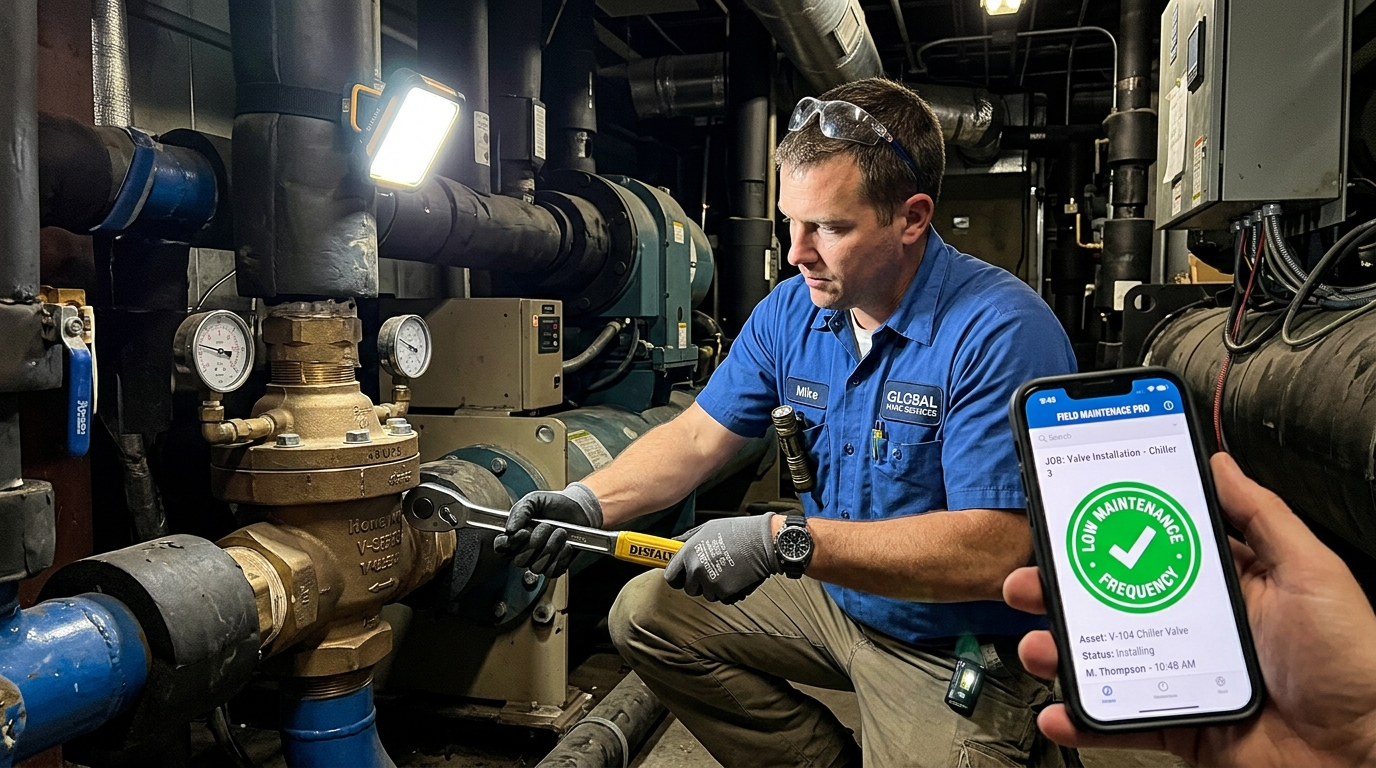
TCO savings go beyond the purchase price to consider all costs associated with an item throughout its lifecycle: purchasing, transportation, storage, installation, maintenance, and disposal.
A $12 commodity fastener that requires rework 5% of the time costs more over the life of a project than a $15 fastener with a 0.2% defect rate. TCO thinking catches these hidden costs.
Side-by-Side Comparison
Savings Type | What It Measures | Shows on P&L? | Construction Example |
|---|---|---|---|
Hard Savings | Direct price reduction vs. baseline | Yes | Negotiated 8% discount on structural steel |
Soft Savings / Cost Avoidance | Prevented future cost increase | No (requires separate reporting) | Locked material pricing before tariff increase |
TCO Savings | Lifecycle cost reduction | Partially | Chose slightly pricier equipment with lower maintenance costs |
The critical takeaway: agree on what counts as hard savings, soft savings, and cost avoidance with your finance team before sourcing begins. Procurement experts note that this single step eliminates the majority of post-hoc disputes about whether procurement actually “saved” money.
How to Calculate Construction Procurement Savings
The Basic Formula
Procurement Savings = (Baseline Price − Negotiated Price) × Volume
If your baseline price for Type III Portland cement is $160/ton and you negotiate it down to $142/ton across 500 tons, your procurement saving is $9,000.
The ROI Formula
Procurement ROI = ((Total Savings − Total Procurement Costs) / Total Procurement Costs) × 100
This accounts for the cost of achieving those savings, including staff time, technology investments, and any consulting fees.
Choosing Your Baseline
The formula only works if the baseline is credible. There are three common approaches:
Prior-year spend: What you paid for the same materials on your last comparable project
Market benchmark: Current market pricing from published indices or multiple quotes
Competitive bid average: The average of all bids received during a formal solicitation
The most accurate method combines approaches, using both historical pricing and current market data to establish a defensible baseline.
The Savings Leakage Problem
Here is where most contractors get tripped up. Negotiating a great price is only half the battle.
According to procurement analytics firm Suplari, most procurement teams lose 30-60% of negotiated savings between contract signature and invoice payment. This happens through invoice errors, unauthorized substitutions, maverick purchases that bypass negotiated terms, and delivery charges that weren’t in the original agreement.
Realized savings (what actually hits your bank account) matter far more than negotiated savings (what the contract says). Track both.
Leakage Source | Impact on Savings | Primary Cause |
Maverick Spend | 6% – 12% Loss | Field crews buying from non-approved local vendors. |
Invoice Errors | 1% – 5% Loss | Mismatch between contract price and billed price. |
Logistics Creep | 3% – 8% Loss | Unplanned delivery fees and “emergency” shipping. |
Scope Gap | 10% – 15% Loss | Purchasing incorrect quantities due to poor pre-con. |
Key Strategies That Drive Procurement Savings on Construction Projects
Research from McKinsey suggests that procurement strategies can lead to 5-10% cost reductions in standard materials and categories, with category management yielding 10-15%. Here are the specific strategies that produce those numbers.The strategies below show how established construction procurement best practices translate into measurable savings
Strategic Sourcing and Supplier Consolidation
Construction suppliers are not interchangeable. Delivery reliability and quality issues create costs that never appear as a unit price difference. A supplier who delivers the wrong spec creates rework. A supplier who delivers late idles an entire crew.
Consolidating your supplier base, working with fewer but more capable suppliers, creates better negotiation positions and simplifies procurement management. It also builds relationships where suppliers prioritize your projects during shortages.
For deeper guidance on building purchasing power through supplier relationships, read about contractor purchasing leverage and how to build effective contractor vendor partnerships.
Group Purchasing Organizations and Buying Alliances
A group purchasing organization (GPO) combines the buying power of multiple contractors to negotiate lower prices, better terms, and standardized contracts with suppliers. By aggregating demand, GPOs give individual businesses access to pricing they could never secure alone.
According to SpendMatters, 15-20% of the Fortune 1000 currently use buying consortiums, and 85% of the time they see savings of 10% or more. Organizations using GPOs typically save 10-25% annually across spending categories.
This approach is particularly effective for mid-size contractors who lack the individual volume to command big-builder pricing. More on this in the dedicated section below.
Maverick Spend Control
Maverick spend, purchases made outside your organization’s predefined rules, is particularly damaging in construction. When field crews order from whoever answers the phone fastest instead of preferred suppliers, contractors lose negotiated pricing, volume discounts, and invoice matching capability.
For every dollar spent outside procurement’s control, companies lose 6-12% in potential savings. On a $10 million project, that’s $600,000 to $1.2 million walking out the door through unauthorized purchases.
The fix isn’t complicated, but it requires discipline: approved vendor lists, purchase order requirements for all orders above a threshold, and field-friendly ordering systems that make it easier to buy right than to go rogue.
Just-in-Time Delivery
JIT is one of the most practical methods for construction procurement savings. Rather than stockpiling materials on site (where they get damaged, stolen, or sit in the way), JIT aligns material deliveries with the construction schedule.
This reduces storage costs, minimizes material waste, and cuts down on the double-handling that eats labor hours. The trade-off is that JIT requires much tighter coordination between procurement, scheduling, and suppliers. It works best with reliable suppliers you’ve built trust with over multiple projects.
Category Management
Category management segments spending into groups of similar products and manages each group strategically. In construction, this means stop buying the same thing twelve different ways across twelve projects.
When you manage fasteners as a category instead of letting each project superintendent source their own, you see the total spend picture. That visibility enables volume negotiations and reveals where specification inconsistencies are driving unnecessary costs.
BIM-Driven Quantity Takeoff
When modeling standards and responsibilities are clear, BIM-driven quantity takeoff can significantly improve early quantity confidence. Better quantities earlier in the project mean procurement can negotiate with real numbers instead of estimates, reducing the padding that suppliers add to uncertain orders.
A 2025 peer-reviewed study published by Taylor & Francis found that technology integration in construction SMEs produced a 34% reduction in order processing time, 25% drop in material waste, and 35% improvement in inventory accuracy.
Preconstruction Investment (The Upstream Principle)
This is the strategy that practitioners consistently identify as the most impactful, and the most commonly neglected.
Elevate Construction, a practitioner-focused blog, put it sharply: “Money is saved upstream, not downstream. It is saved in planning, not in cutting. It is saved through integration, not through isolation.” They also observed that “the teams that saved money at the front of the project paid far more at the back.”
Cutting preconstruction budgets feels like saving money. It produces downstream cost blowouts. Better preconstruction planning catches scope gaps, coordination conflicts, and procurement timing issues while they’re still cheap to fix.
For a complete framework on how sourcing decisions fit into preconstruction and project planning, see the construction sourcing strategy guide.
Escalation Clauses
In volatile markets, escalation clauses protect both buyer and seller by tying material prices to published indices. They’re a form of cost avoidance that prevents budget blowouts when material prices spike during a project.
Smart escalation clauses specify the index, the measurement period, and the threshold that triggers an adjustment. Without them, someone absorbs the risk, and that someone usually builds a premium into their price to compensate.
Common Mistakes That Erode Procurement Savings
Confusing Negotiated Savings with Realized Savings
The contract says you saved 12%. Your invoices tell a different story. Without compliance monitoring, negotiated terms erode through substitutions, price creep, and unauthorized charges.
Cutting Preconstruction to “Save Money”
This is the most expensive false economy in construction. Insufficient planning produces incomplete scopes, which produce change orders, which produce schedule delays, which produce cost overruns that dwarf whatever was “saved” on planning.
Letting Field Crews Bypass Approved Suppliers
Emergency orders and field buys are sometimes unavoidable. But when they become routine, they signal a procurement process that doesn’t work for the people who actually order materials. Fix the process rather than accepting the leakage.
Ignoring Delivery Logistics Costs
A 5% lower unit price from a distant supplier means nothing if delivery charges, minimum order requirements, and longer lead times add 8% in hidden costs. TCO thinking catches this; unit price thinking misses it.
Not Aligning Savings Definitions with Finance Before the Project
Procurement reports $2 million in savings. Finance can only verify $400,000. The disconnect? No one agreed upfront on what counts as a hard saving versus cost avoidance. As one procurement practitioner noted, the tension around one-time project spend is unique to construction. You can’t report a traditional hard saving against a first-time purchase. But that doesn’t mean procurement didn’t create value.
Align definitions before work starts. Report hard savings, soft savings, and cost avoidance separately.
How Group Purchasing Amplifies Construction Procurement Savings
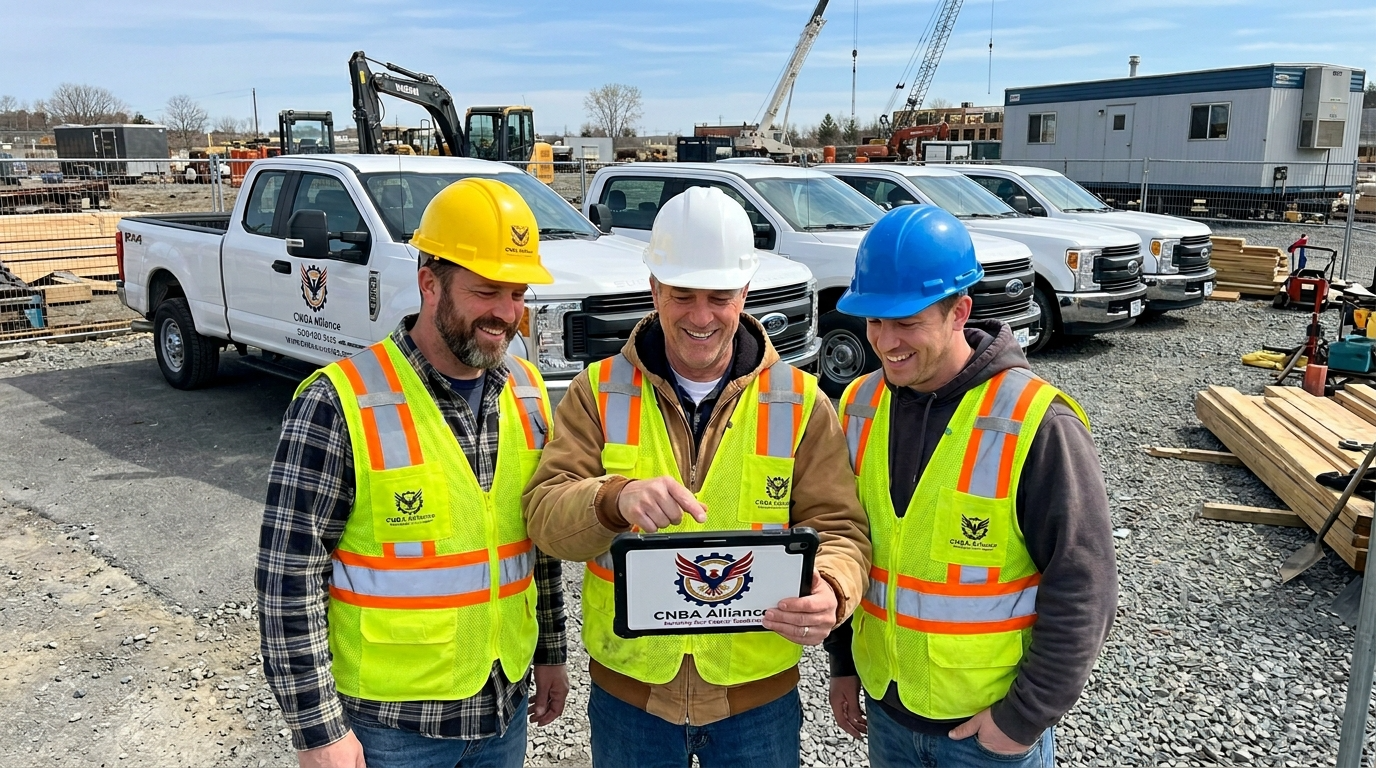
Comparison: GPO vs. Independent Sourcing
Feature | Independent Sourcing | Group Purchasing (GPO) |
Negotiating Power | Limited to individual volume | Aggregated “Big Builder” volume |
Setup Time | Months (RFP, Vetting, Legal) | Instant access to vetted contracts |
Pricing | Market Volatile | Pre-negotiated, stable rates |
Compliance | Hard to track across projects | Centralized reporting and auditing |
Group purchasing deserves its own section because it addresses the fundamental disadvantage most contractors face: they don’t buy enough of any single product to command the best pricing.
How It Works
A buying alliance or GPO aggregates the purchasing volume of dozens or hundreds of contractors. The combined volume gives the group negotiating power comparable to national builders, producing pre-negotiated pricing and terms that individual members access through their membership.
This model works because suppliers benefit too. They get predictable volume across a large member base without the cost of acquiring each customer individually.
Typical Savings Ranges
The data is consistent across sources. Organizations using GPOs save 10-25% annually on the categories covered. Una, a major GPO provider, reports that members save 18-22% on average across products and services.
For construction contractors, these savings compound across material categories: concrete supplies, safety equipment, tools, fuel, vehicles, and maintenance items.
Why It Matters for Mid-Size Contractors
A contractor doing $20 million annually doesn’t have the volume to negotiate like a $500 million national firm. But pooled with other contractors through a collective purchasing arrangement, that same contractor accesses pricing that would otherwise be out of reach.
The Contractors National Buyer Alliance (CNBA) operates as this type of buying alliance, connecting contractors with pre-negotiated pricing programs across major suppliers. If your procurement costs are eating into already-thin margins, exploring a contractor group purchasing organization is one of the fastest paths to measurable savings.
Related Terms
Spend Under Management: The percentage of total organizational spending that procurement actively manages. Higher percentages mean more opportunity to capture savings.
Cost Avoidance: Actions that prevent future costs from materializing. Distinct from cost savings, which reduce existing costs.
Purchase Price Variance (PPV): The difference between the actual price paid and a baseline or standard price. The primary metric for hard procurement savings.
Maverick Spend: Purchases made outside approved procurement channels. A major source of savings leakage in construction.
Escalation Clause: A contract provision that adjusts pricing based on material cost changes tied to published indices.
Strategic Sourcing: A systematic approach to supplier selection that considers total value, not just price. Learn more in the construction sourcing strategy guide.
Value Engineering: The practice of reviewing project designs and specifications to find alternatives that reduce cost without sacrificing function or quality.
Category Management: Managing groups of similar purchases as strategic categories rather than individual transactions.
Frequently Asked Questions
What is the difference between hard savings and cost avoidance in construction procurement?
Hard savings are direct, measurable price reductions that show up on financial statements. If you negotiated rebar down from $900/ton to $820/ton, that $80 difference multiplied by volume is a hard saving. Cost avoidance prevents a future expense from happening, like locking in material pricing before a known price increase. Both create real value, but finance departments treat them differently for reporting purposes.
How much can contractors realistically save through better procurement?
The range depends on current practices. Contractors with no formal procurement strategy can typically achieve 5-10% reductions through strategic sourcing of standard materials. Category management can push that to 10-15%. Group purchasing organizations deliver 10-25% on covered categories. Lean construction delivery systems can reduce costs by 30-40%, though those savings extend beyond procurement into project delivery methods.
Why do negotiated savings often fail to materialize?
Most procurement teams lose 30-60% of negotiated savings between contract signing and final payment. The culprits include invoice errors, unauthorized field purchases from non-approved suppliers, material substitutions, and delivery surcharges that weren’t in the original agreement. Tracking compliance after the contract is signed matters as much as the negotiation itself.
What is maverick spend and why does it matter?
Maverick spend refers to purchases made outside your approved procurement process, typically field buys and emergency orders that bypass negotiated supplier terms. For every dollar spent outside procurement’s control, companies lose an estimated 6-12% in potential savings. In construction, it often happens when field crews order from whoever can deliver fastest rather than from preferred suppliers with negotiated pricing.
How do group purchasing organizations (GPOs) work for construction contractors?
A GPO aggregates buying volume from multiple contractors and negotiates pricing and terms with suppliers on behalf of the group. Individual members then access those pre-negotiated rates through their membership. The model works because suppliers get predictable volume, and contractors get pricing that reflects collective buying power rather than their individual spend. You can learn more about how contractor procurement groups operate and what to look for when evaluating one.
Should construction companies focus on lowest price or total cost of ownership?
Total cost of ownership. The lowest-priced supplier who delivers late, ships incorrect quantities, or provides inconsistent quality creates downstream costs that far exceed any unit price savings. TCO accounts for purchasing, transportation, storage, installation labor, defect rates, warranty costs, and disposal. Construction procurement savings should always be measured against total cost, not just unit price.
How does preconstruction planning affect procurement savings?
It affects them enormously. Better preconstruction work produces more accurate quantities, clearer specifications, and realistic schedules, all of which let procurement negotiate from strength rather than uncertainty. Suppliers add premiums to vague scopes. They offer better prices when they can see exactly what’s needed and when. The most experienced practitioners consistently report that money saved by cutting preconstruction is money lost (with interest) during construction.
What is the best way to measure procurement savings across a construction project?
Use the basic formula: (Baseline Price − Negotiated Price) × Volume for hard savings. Track cost avoidance separately with clear documentation of the baseline scenario you avoided. Report both to leadership, but keep them in separate categories. Most importantly, measure realized savings (what you actually paid) rather than just negotiated savings (what the contract promised). The gap between the two reveals how well your procurement process holds up after the handshake.
Recent Comments