
In the construction world, every dollar and every minute counts. Juggling tight budgets, volatile material prices, and demanding project schedules is the daily grind. For a broader view of the industry’s headwinds and opportunities, see our guide to navigating challenges and opportunities in the construction industry. This is where smart procurement becomes a game changer. For many contractors, the secret to gaining a competitive edge lies in leveraging a powerful tool: the construction group purchasing organization (GPO). Simply put, a construction group purchasing organization is an entity that brings multiple contractors together to buy materials, equipment, and services as a single, large-volume buyer. By pooling their purchasing power, members secure better pricing and terms than they could alone.
This guide breaks down everything you need to know about how a GPO works, the massive benefits it offers, and how it can transform your purchasing from a cost center into a strategic advantage.
What Exactly Is a Construction Group Purchasing Organization?

The core principle of a construction group purchasing organization is strength in numbers. A single contractor buying a few pallets of drywall has limited negotiating power. But a GPO representing hundreds of contractors buying thousands of pallets has the kind of leverage that makes suppliers listen. By pooling their collective purchasing power, members of the GPO can secure better pricing, more favorable terms, and priority access to supplies that individual companies, especially small to mid sized ones, could never achieve on their own.
Why GPOs are Essential in 2026: The Economic Reality
In 2026, the construction landscape is defined by three major pressures that make traditional procurement risky. A GPO acts as a hedge against these specific market forces:
Pressure Point | 2026 Impact | How a GPO Mitigates It |
Material Volatility | Average 15% price swings in steel and timber. | Index-linked pricing and bulk lock-ins. |
Labor Shortage | 439,000+ new workers needed annually. | Automates admin, allowing lean teams to do more. |
Tariff Hikes | Effective rates on construction goods at 25%+. | Leverages global/local supplier mix for better routes. |
The Free to Join Membership Model
One of the most attractive features of a modern construction group purchasing organization is the free to join model. Many GPOs, including the Contractors National Buyer Alliance (CNBA), don’t charge contractors a dime for membership.
So, how do they stay in business? It’s simple. The GPO’s operating costs are covered by small administrative fees paid by the suppliers in the network. Vendors are happy to pay this fee because the GPO brings them a massive, consistent stream of business without the cost of individual sales efforts. This creates a win win scenario where contractors get free access to incredible savings.
Horizontal vs. Vertical GPOs for Construction
GPOs come in two main flavors:
Horizontal GPO: Serves a wide range of industries. They negotiate deals on common goods and services like office supplies, fleet vehicles, or travel (and even the parts that keep those vehicles running); see our guide to best auto parts for construction.
Vertical GPO: Focuses on a single industry. A construction group purchasing organization is a perfect example of a vertical GPO.
For contractors, a vertical GPO is far more powerful. It offers deep expertise and specialized contracts for the things you actually buy, like concrete, lumber, safety gear, and industrial supplies. They understand the unique demands of the construction industry and build relationships with the right vendors to meet those needs.
Unlocking a Competitive Edge: The Core Benefits of a GPO
Joining a construction group purchasing organization is about more than just a few discounts. It’s a strategic move that delivers advantages across your entire operation.
GPO Power vs. Self Negotiated Discounts
When a contractor goes it alone, they are at a disadvantage. Studies and anecdotal evidence show that smaller firms often pay a premium just because they are small buyers. Even with a great payment history, suppliers reserve their best pricing for their largest accounts.
GPO vs. Direct Negotiation: A Comparison
Many contractors believe their long-term relationships with local suppliers are “good enough.” Here is how the numbers actually stack up:
The 10% Reality: Recent data shows that even mid-sized firms uncover pricing discrepancies of over 10% for identical SKUs when they switch from direct negotiation to a consolidated GPO model.
Feature | Self-Negotiated | Construction GPO |
Negotiation Power | Based on individual volume | Based on billions in aggregate spend |
Contract Type | Transactional/Spot pricing | Strategic, long-term master agreements |
Market Data | Limited to local quotes | National “should-cost” benchmarking |
Auditing | Manual (73% of invoices have errors) | Automated billing and compliance audits |
A GPO levels the playing field. It provides two key advantages:
Massive Volume Leverage: By combining the spend of all its members, a GPO can negotiate deals as if it were one of the largest contractors in the nation. This aggregated demand is what unlocks deeper discounts on construction materials.
Professional Negotiation: GPOs employ experts who live and breathe procurement. They use industry wide spending data and deep market knowledge to secure optimal pricing and terms that an individual project manager would struggle to achieve.
Deeper Discounts and Pre Negotiated Contracts
The result of this leverage is access to pre negotiated contracts with leading suppliers. These agreements lock in prices, delivery terms, and warranties in advance. For members, this means:
Significant Savings: GPO members typically see average savings of 5% to 15% on maintenance, repair, and operations (MRO) purchases alone, and savings can be much higher on bulk materials.
Budget Certainty: With predictable pricing, you can bid on jobs with greater confidence and protect your margins from sudden market spikes.
Time Savings: You can skip the tedious and time consuming process of negotiating with every single supplier. A roofing services company noted that with a GPO, “you save all that time and effort” and still get a great price. This frees up your team to focus on project execution.
Priority Access to a Reliable Supply
In a world of supply chain disruptions, getting materials on time is just as important as getting them at the right price. Because a GPO represents a huge block of business, suppliers treat its members as priority customers. This means that during shortages, your orders are more likely to be filled first, keeping your projects on track while competitors wait.
Moving Beyond Price: Strategic Procurement Management
A top tier construction group purchasing organization helps you manage the entire procurement lifecycle, making your operations smarter and more efficient.
Supplier Relationship and Performance Management
Instead of transactional, one‑off purchases, a GPO helps foster strategic, long‑term partnerships with suppliers. This is Supplier Relationship Management (SRM), and it pays dividends. For example, programs with partners like White Cap show how consolidated demand strengthens supplier collaboration.
A crucial part of SRM is conducting a supplier performance audit. This is a formal review to ensure vendors are meeting their promises on things like quality, timeliness, and service. With an estimated 90% of large construction projects experiencing delays, tracking on time delivery performance is critical. A GPO can enforce these standards across its network, ensuring you work only with reliable, high performing suppliers.
Unlocking Insights with Spend Analysis and Benchmarking
You can’t manage what you don’t measure. Spend analysis is the process of dissecting your purchasing data to see where your money is going. This often reveals that 67% of buyers feel fragmented spending is the biggest reason they can’t negotiate good deals.
By analyzing your spend, you can identify opportunities to consolidate purchases and gain leverage. Benchmarking this data against industry peers, a service some GPOs facilitate, shows you exactly where you can improve.
Taming the “Tail Spend”
In procurement, the “tail spend” refers to the thousands of small, infrequent purchases (the 80% of transactions that only make up 20% of the cost). This area is often unmanaged and ripe with inefficiency. Using category management for tail spend, a GPO can bundle these small buys into categories, like “fasteners” or “adhesives,” and negotiate a single, cost effective contract, saving both money and administrative hassle.
Risk Mitigation for Material Inventory
Managing inventory is a delicate balance. Too little, and you risk project delays. Too much, and you tie up capital and risk damage or theft. Construction site theft is a massive issue, costing the industry over $1 billion annually in the U.S. alone. A GPO mitigates this risk by providing a reliable and timely supply chain, allowing you to operate with leaner inventories, confident that materials will arrive when you need them.
Streamlining Your Internal Systems and Processes
The benefits of a GPO extend inward, helping you improve your company’s own procurement workflows.
Ensuring Purchasing Compliance and Auditing Bills
“Maverick spend” (unapproved, off contract purchases) silently drains profits. A key cause is employees’ lack of understanding of procurement policy. A GPO simplifies compliance by providing a clear list of approved, high value suppliers.
This ties into compliance monitoring and billing audits. With a shocking 73% of vendor invoices containing costly mistakes, auditing is essential. By comparing invoices against the GPO’s pre negotiated contracts, you can easily spot and correct overcharges, duplicate billings, and other errors before you pay.
Mastering Document Management and Improving Productivity
Construction projects can generate tens of thousands of documents. Poor management of these contracts, change orders, and purchase orders leads to chaos. Equip your team with the right construction site office essentials to support better document control. In fact, poor data management and communication cost the U.S. construction industry an estimated $177 billion in labor each year.
A streamlined GPO process reduces this administrative burden. This directly contributes to procurement productivity improvement. Top performing procurement teams have 21% lower labor costs and operate with fewer staff simply by being more efficient, often through the use of better systems and partnerships.
Managing Price Lists and Renegotiation
Material prices are constantly changing. A GPO’s procurement team actively manages supplier price lists and handles renegotiation on behalf of all members. When market conditions shift or the GPO’s total volume grows, they go back to the table to secure even better terms, ensuring you always have access to competitive pricing without having to do the legwork yourself.
Specialized Procurement Handled with Expertise
A construction group purchasing organization provides access to negotiated contracts across a wide range of categories specific to your needs.
MRO and Industrial Supply: These are the essential but often overlooked items for Maintenance, Repair, and Operations. A GPO can deliver 5% to 15% savings on everything from tools and fasteners to lubricants and janitorial supplies. For examples, check out our roundup of best tools and accessories for construction.
Safety and PPE Procurement: Ensuring a reliable supply of high‑quality personal protective equipment is non‑negotiable. A GPO vets suppliers to ensure they meet safety standards and can provide consistent access to critical PPE. Use this construction PPE checklist to standardize your buys.
Equipment Rental Procurement: Renting equipment saves on massive capital costs, maintenance, and storage. A GPO can negotiate preferential rates and terms with national equipment rental companies, saving you money and ensuring availability when you need it. For instance, if you’re weighing the ROI of specialized gear, see our take on whether volumetric mixers are worth it. If you’re ready to see how these specialized contracts can benefit your business, you can explore the vendor programs at CNBA.
2026 Tech Integration: AI and BIM in Procurement
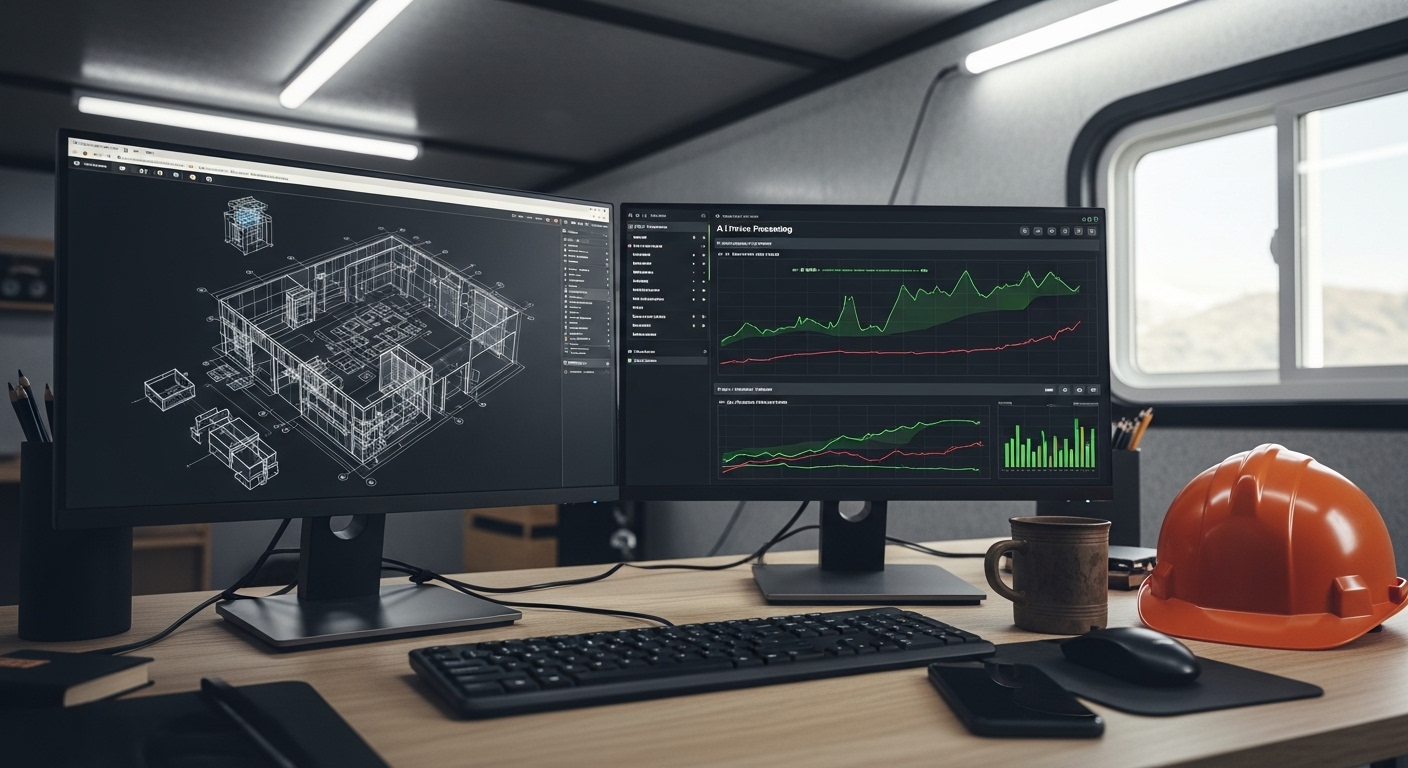
Modern GPOs in 2026 are no longer just “discount clubs”; they are technology partners.
AI-Driven Forecasting: Leading GPOs now provide alerts before price spikes hit, allowing you to buy ahead of market shifts.
BIM-Linked Ordering: Integrating your Building Information Modeling (BIM) software directly with GPO catalogs reduces waste by up to 12% through precision ordering.
Sustainability & ESG: With 2026 regulations requiring carbon tracking, GPOs provide vetted “Green” supply chains that are already compliant with ESG mandates.
The Future of Procurement is Here
The world of construction procurement is evolving, and leading GPOs are adopting new technologies to deliver even more value to their members.
AI Powered Procurement for Contractors: Artificial intelligence is beginning to automate routine tasks like purchase order creation and invoice matching. More advanced AI can analyze spend data to identify savings opportunities and even predict future price fluctuations. For a practical tech perspective from the field, see our piece on software for the hard business of pavement.
Supply Chain Price and Availability Alerts: Imagine getting a heads up before the price of steel or lumber is about to spike. Some platforms and GPOs offer alerts that allow you to make strategic buys ahead of market volatility, protecting your project budgets.
Private Marketplace for Preferred Suppliers: Many GPOs now offer a members only digital marketplace. This online portal provides a one stop shop where you can easily browse and purchase from all the vetted, pre negotiated suppliers in the network, dramatically simplifying the buying process.
Your Strategic Partner for Growth
A construction group purchasing organization is much more than a discount club. It is a strategic partner that provides the leverage, expertise, and systems to streamline your procurement, reduce costs, and mitigate risk. By handling the complexities of sourcing and negotiation, a GPO empowers you to focus on what you do best: building.
If you’re ready to stop leaving money on the table and gain a real competitive advantage, it’s time to explore what a GPO can do for you. Organizations like the Contractors National Buyer Alliance (CNBA) offer a no cost way to immediately tap into the power of group purchasing.
Frequently Asked Questions
What is a GPO in construction?
A GPO (Group Purchasing Organization) in construction is an alliance of contractors who pool their purchasing volume to negotiate bulk discounts and favorable terms with suppliers of materials, equipment, and services. A construction group purchasing organization allows smaller members to access the pricing power of a large national firm.
How does a construction group purchasing organization make money if membership is free?
Most free to join GPOs, like CNBA, are funded through small administrative fees paid by the suppliers and manufacturers in their network. Suppliers are willing to pay these fees in exchange for access to a large, consolidated base of customers, which lowers their own sales and marketing costs.
Can small or independent contractors benefit from a GPO?
Absolutely. In fact, small and mid sized contractors often see the most significant benefits. A GPO gives them immediate access to the kind of volume discounts and priority service that are typically reserved for only the largest national builders.
What kinds of products and services can I buy through a contractor GPO?
A vertical construction group purchasing organization will have contracts covering a wide range of industry specific needs. This includes bulk materials (concrete, steel, lumber), MRO supplies (tools, fasteners, safety gear), equipment rentals, fuel, fleet vehicles, and even business services like uniforms or payment processing.
Is there a minimum spending requirement to be part of a GPO?
For most free to join models, there are no spending requirements. The model is designed to be flexible, allowing you to use the GPO’s contracts as much or as little as you need. The value is so compelling that members naturally want to channel more of their spending through the GPO to maximize savings.
How quickly can I start saving money after joining a GPO?
Once your membership is approved, you can typically start using the pre negotiated contracts and accessing discounted pricing almost immediately. The onboarding process is usually quick and simple, designed to get you saving money within the same week you join.
Recent Comments