
TL;DR
A construction vendor program is any structured arrangement between construction companies and their suppliers or service providers that improves pricing, quality, compliance, or supply reliability. These programs come in several forms, including group purchasing organizations, preferred vendor networks, rebate programs, vendor management systems, and prequalification processes. The benefits range from 5 to 7 percent annual cost savings on materials to steady referral work, reduced administrative burden, and stronger supply chain stability during a period when construction costs remain structurally elevated.
The phrase “construction vendor program” gets searched often, but it means different things to different people. A subcontractor might think of it as a preferred vendor list that feeds them steady work. A general contractor might picture a system for vetting and managing subs. A specialty contractor buying materials thinks of group purchasing discounts and rebates.
All of these people are right. The term covers several distinct program types, each with its own set of benefits depending on which side of the table you’re sitting on. This guide breaks down every major type of construction vendor program, maps the specific benefits each one delivers, and addresses the tradeoffs that other resources tend to skip.
Explore the types of contractor vendor programs in more detail.
Construction Vendor Program Benefits at a Glance
A construction vendor program helps contractors, subcontractors, general contractors, property owners, and suppliers reduce costs, improve compliance, and create more predictable business relationships.
The biggest benefits include:
– 5%–7% average material cost savings through purchasing programs
– Additional rebate income based on annual spending volume
– Faster vendor onboarding and compliance management
– Reduced procurement and administrative workload
– Improved supply chain reliability during shortages
– Access to recurring referral opportunities
– Lower project risk through contractor prequalification
– Better pricing leverage through collective purchasing power
For most contractors, the highest-value vendor programs are Group Purchasing Organizations (GPOs), preferred vendor networks, and supplier rebate programs because they directly impact profitability and cash flow.
What Is a Construction Vendor Program?
A construction vendor program is a formal, structured arrangement between construction companies (contractors, subcontractors, or GCs) and their suppliers, service providers, or project owners. The purpose is to standardize some aspect of the commercial relationship, whether that’s pricing, quality standards, compliance requirements, or referral workflows.
Unlike ad hoc vendor relationships where terms get negotiated from scratch on every project, vendor programs create repeatable frameworks. They reduce friction, create predictable costs, and often deliver financial incentives that individual negotiations cannot match.
The confusion around the term comes from the fact that it applies to at least five distinct program types. Understanding which type fits your situation is the first step toward capturing construction vendor program benefits.
Types of Construction Vendor Programs
Group Purchasing Organizations (GPOs)

A construction GPO is a collective of contractors that pools purchasing volume to negotiate better pricing, rebates, and terms with suppliers. Individual companies, especially small and mid-sized ones, rarely have the volume to command enterprise-level pricing on their own. A GPO solves that problem by aggregating demand across dozens or hundreds of members.
GPOs typically cover direct materials (lumber, concrete, steel, fasteners), indirect spend (safety equipment, tools, office supplies), and sometimes services like equipment rental or waste hauling.
For more on how buying groups operate, see this contractor buying group guide.
Preferred Vendor Programs
A preferred vendor program, sometimes called a direct repair program or managed repair program, is a carrier-administered or property-management-administered network of contractors who agree to standardized pricing, documentation, and workflow protocols. In exchange, they receive a consistent stream of referral work.
These programs are common in insurance restoration, commercial property management, and facilities maintenance. The contractor trades some pricing flexibility for volume predictability.
Vendor Rebate Programs
Construction vendor rebates are cash-back incentives that contractors earn after meeting supplier purchase thresholds over a defined period. Unlike upfront discounts, rebates are paid retrospectively, usually quarterly or annually, based on actual purchase volume. Programs may be tied to total spend, specific product categories, loyalty milestones, or growth targets.
Learn how construction vendor rebates work and how to maximize them.
Vendor Management Programs
From the buyer’s perspective (property owners, GCs, facility managers), a vendor management program is the system used to select, vet, contract, monitor, and evaluate the subcontractors and service providers working on their projects. Construction vendor management covers tasks like vendor selection, contract negotiation, insurance verification, performance tracking, and project evaluation.
Prequalification Programs
Prequalification is a formal vetting process that contractors must complete before they can bid on or participate in a project. It assesses financial stability, safety records, insurance coverage, bonding capacity, relevant experience, and regulatory compliance. Platforms like ISNetworld, Avetta, and PQF facilitate this process at scale, though they come with costs. Subcontractors typically pay $875 or more per year per platform for registration.
Construction Vendor Program Types Compared
Program Type | Primary Goal | Best For | Main Benefit | Typical Cost |
|---|---|---|---|---|
Group Purchasing Organization (GPO) | Lower purchasing costs | Contractors buying materials | Discounts and rebates | Usually free or low cost |
Preferred Vendor Program | Generate work referrals | Service contractors | Consistent job volume | Administrative compliance |
Vendor Rebate Program | Increase profitability | Contractors with recurring purchases | Annual cash rebates | Usually none |
Vendor Management Program | Control vendor performance | GCs and property owners | Compliance and quality control | Software or admin costs |
Prequalification Program | Verify contractor qualifications | Owners and GCs | Reduced project risk | Platform registration fees |
How Construction Vendor Programs Work
Most construction vendor programs follow a similar process:
Step 1: Enrollment
Contractors apply to join a purchasing group, preferred vendor network, or prequalification platform.
Step 2: Qualification
The organization reviews documentation such as:
Business licenses
Insurance certificates
Safety records
Financial information
Trade references
Step 3: Participation
Members begin purchasing products, receiving referrals, or participating in approved vendor workflows.
Step 4: Tracking
Program administrators monitor:
Purchase volume
Compliance requirements
Performance metrics
Vendor ratings
Contract obligations
Step 5: Rewards and Benefits
Participants receive benefits through:
Discounts
Rebates
Referral opportunities
Preferred pricing
Faster project approvals
Key Benefits of Construction Vendor Programs
The benefits of construction vendor programs fall into six major categories. The specific value depends on which program type you’re participating in, but most contractors encounter multiple program types across their business.
Cost Reduction
This is the most cited and most measurable benefit. Contractors participating in GPOs typically achieve 5 to 7 percent in annual purchasing cost reductions. For a company spending $2 million a year on materials, that translates to $100,000 to $140,000 in savings without changing suppliers or sacrificing quality.
The savings can be even steeper in specific categories. Standardizing safety product sourcing through a GPO contract, for example, can cut costs 10 to 20 percent while also improving compliance with safety specifications.
For a complete breakdown of savings strategies, see the construction procurement savings guide.
Rebate Income
On top of negotiated discounts, many vendor programs offer rebate structures that return cash based on purchasing volume. These rebates typically boost annual profit by 3 to 5 percent, a meaningful number in an industry where net margins often hover in the single digits.
The amounts can be substantial. One builders group returned a total of $16 million in rebates to its members in a single year. At the individual level, practitioners on industry forums report that rebate checks of $40,000 to $50,000 per year are common for active GPO members. As one member of a national buying group put it, “It’s nice to look back and see we’ve got $40,000 or $50,000 in rebates a year.”
Example ROI of a Construction Vendor Program
Many contractors struggle to estimate whether joining a vendor program is worth the effort. A simple ROI calculation can help.
Annual Material Spend | Savings Rate | Annual Savings |
|---|---|---|
$500,000 | 5% | $25,000 |
$1,000,000 | 5% | $50,000 |
$2,000,000 | 5% | $100,000 |
$5,000,000 | 5% | $250,000 |
If the contractor also earns a 2% rebate:
Annual Spend | Rebate Income |
|---|---|
$500,000 | $10,000 |
$1,000,000 | $20,000 |
$2,000,000 | $40,000 |
$5,000,000 | $100,000 |
The combined impact of discounts and rebates can significantly increase profitability, especially in trades where net margins remain under 10%.
Supply Chain Stability
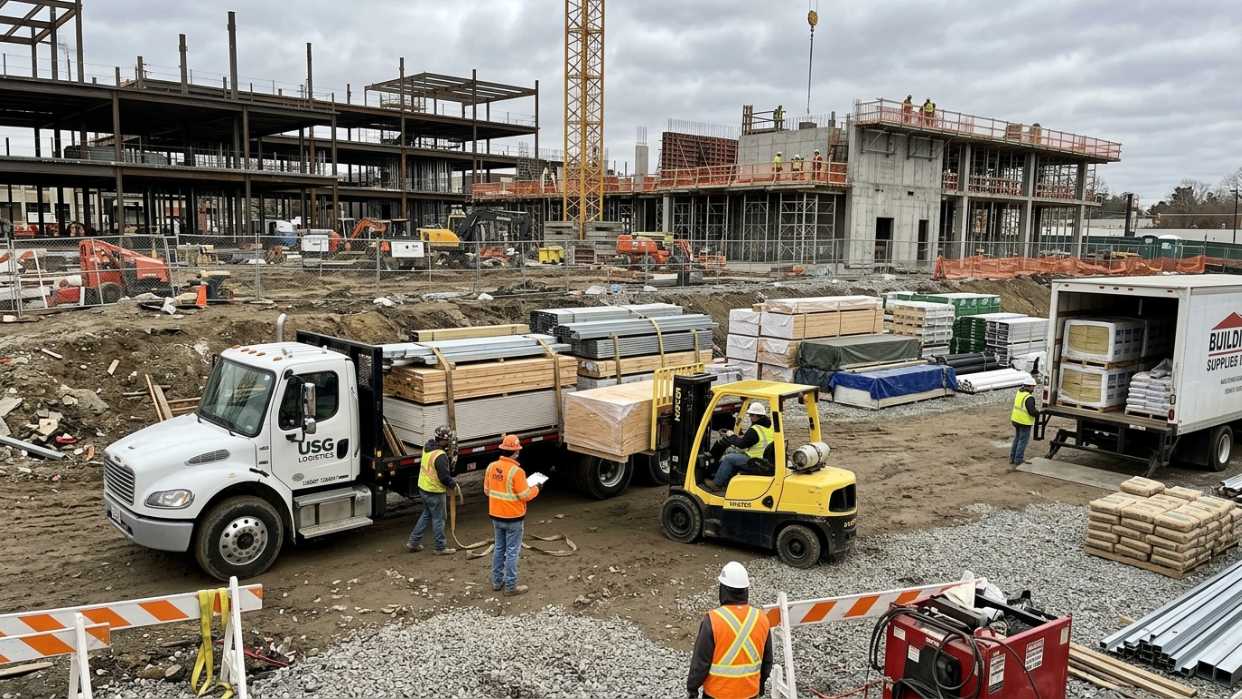
When material prices are volatile and lead times unpredictable, vendor programs provide a stabilizing effect. GPO members often get priority access to inventory and more accurate lead time commitments because suppliers value the predictable, aggregated volume.
This matters more now than it did five years ago. Construction input costs rose 1.7% year-over-year per BLS Producer Price Index data, and the industry needs an estimated 499,000 additional workers in 2026 according to Associated Builders and Contractors. Materials and labor are both constrained. Programs that lock in pricing and availability provide a genuine competitive advantage.
Reduced Administrative Burden
Every hour a project manager spends negotiating one-off pricing, chasing insurance certificates, or vetting new subs is an hour not spent on production. Research from Vertikal RMS found that manual prequalification alone consumes 15 to 20 hours per week per project manager.
Vendor programs, whether purchasing-side or management-side, reduce this burden through pre-negotiated contracts, standardized documentation, and centralized compliance tracking. The time savings compound across every project.
Risk and Compliance Improvement
Only half of construction companies report finishing projects on time, and 87 percent say their work faces increasing scrutiny, according to a KPMG survey. Vendor management and prequalification programs directly address both problems by ensuring that every contractor on a project meets baseline financial, safety, and insurance standards before work begins.
For contractors, participating in prequalification programs (despite the fees) signals credibility. For project owners and GCs, these programs reduce the risk of hiring underqualified subs who cause delays, safety incidents, or compliance violations.
Peer Networking and Knowledge Sharing
This benefit gets overlooked in most discussions of construction vendor program benefits, but practitioners consistently rank it among the most valuable. GPOs with regional chapters or regular meetings create opportunities to learn from peers facing similar challenges.
A VP of Purchasing at Shea Homes, speaking in a Pro Builder interview, recommended looking for GPOs that hold monthly meetings: “Regular interaction with your peers in the industry enables you to build relationships that can pay off when you’re facing tough business problems and want insight from others.”
The networking aspect extends beyond problem-solving. Members share intelligence on vendor price negotiation tactics, local market conditions, and emerging suppliers.
Benefits by Stakeholder
Construction vendor program benefits vary depending on your role. Here is a quick-reference breakdown.
For contractors buying materials:
Lower unit costs through group pricing
Quarterly or annual rebate checks
Priority access to inventory during shortages
Pre-negotiated terms that eliminate repetitive negotiations
For contractors seeking work (as a vendor):
Consistent referral volume from preferred vendor lists
Reduced sales and marketing overhead
Faster payment cycles in some managed programs
Enhanced reputation through program affiliation
Practitioners on Reddit’s r/sweatystartup forum emphasize that the real draw of preferred vendor lists isn’t pricing. It’s the consistent volume. “Find one you connect with,” one property manager advised contractors, noting that recurring work follows once trust is established.
For property owners and GCs managing vendors:
Standardized quality and compliance across projects
Faster contractor onboarding through prequalification
Lower project risk from unvetted subs
Cost control through competitive benchmarking
For suppliers and manufacturers:
Predictable, aggregated demand
Larger customer base accessed through a single relationship
Reduced customer acquisition cost
For more on structuring these relationships, read about construction vendor partnership strategies.
Potential Drawbacks of Construction Vendor Programs
While the benefits are substantial, contractors should evaluate possible disadvantages before joining.
Membership Fees
Some programs require annual fees, platform subscriptions, or administrative charges.
Supplier Restrictions
Certain programs encourage purchases from approved vendors, limiting sourcing flexibility.
Administrative Requirements
Maintaining certifications, insurance records, and compliance documentation requires time and resources.
Volume Commitments
Some rebate programs require minimum purchasing thresholds before benefits are realized.
Over-Reliance on One Network
Depending too heavily on a single supplier or referral source can create business risk if market conditions change.
Understanding these tradeoffs helps contractors choose programs that align with their operational goals.
Common Misconceptions About Construction Vendor Programs
“You Have to Buy More Than You Need”
This is a real concern, not a myth. Some GPOs structure their rebate tiers so that qualifying requires purchase volumes higher than what a contractor would naturally buy. A VP of Purchasing at Shea Homes referred to some GPOs as “rebate peddlers” in a Pro Builder interview. The fix is straightforward: look for programs with no minimum volume requirements or tiered structures where every dollar of spend earns some benefit. The best GPOs add value even for small-volume members through negotiated pricing that applies from the first purchase.
“Only Large Contractors Benefit”
The opposite is actually true. Large contractors already have enough volume to negotiate strong pricing on their own. GPOs exist specifically to give small and mid-sized firms the purchasing power they couldn’t access individually. A 10-person framing crew and a 200-person general contractor can buy the same materials at the same price through a well-structured program.
“Preferred Vendor Lists Lock You In”
Most preferred vendor programs allow contractors to maintain other client relationships. The programs add volume; they don’t require exclusivity. That said, some programs do include preferred pricing obligations or documentation requirements that take time to maintain. Read the agreement carefully before committing. A guide on contractor vendor agreements can help you evaluate terms.
“All Vendor Programs Are the Same”
This might be the most damaging misconception. A rebate program that returns 3 percent on total spend is fundamentally different from a prequalification platform charging $875 per year for the privilege of bidding. Understanding the program type, its cost structure, and your expected ROI matters far more than simply “joining a program.”
Signs a Construction Vendor Program Is a Good Fit
A contractor is more likely to benefit from a vendor program if they:
Spend more than $250,000 annually on materials
Use the same suppliers repeatedly
Manage multiple projects simultaneously
Need stronger supplier relationships
Want access to rebate opportunities
Spend significant time negotiating purchases
Need more predictable workflow or referral volume
Contractors with highly specialized procurement needs may benefit from selective participation rather than full program adoption.
How to Evaluate Whether a Vendor Program Is Worth Joining
Not every vendor program delivers equal value. Before committing, work through these questions:
What categories does the program cover? Some GPOs focus narrowly on lumber or concrete. Others cover dozens of categories across direct and indirect spend. The broader the coverage, the more savings opportunities you have.
Are there volume minimums? Programs that require minimum purchase thresholds to access pricing benefits may not suit smaller contractors. Ask up front.
What are the fees? Some programs charge membership fees, administrative fees, or platform registration costs. Prequalification platforms like ISNetworld charge subs directly. GPOs may take a percentage of supplier rebates. Get the full cost picture before you compare it to expected savings.
How often do members meet? As the Shea Homes VP recommended, monthly meetings indicate a program that prioritizes peer learning and relationship-building alongside transactional benefits. These networking opportunities often deliver value that’s hard to quantify but easy to feel.
Does the program cover direct spend, indirect spend, or both? Direct materials (concrete, rebar, lumber) are the obvious target. But indirect spend, things like safety gear, fuel, office supplies, and equipment maintenance, often represents 15 to 25 percent of total costs and gets ignored.
What are the tradeoffs? Concentrating all purchases through a single program’s supplier network can limit flexibility. As one industry analysis noted, maintaining too many vendor relationships dilutes volume leverage and adds administrative burden, but the reverse, putting all eggs in one basket, creates supply risk. Use programs strategically, not as a replacement for all procurement relationships.
Review a contractor vendor comparison checklist to structure your evaluation.
Why Construction Vendor Program Benefits Matter More in 2026
The construction market in 2026 makes vendor programs not optional but operationally necessary. Margins remain tight, with construction costs structurally higher than pre-2020 levels. Skilled labor shortages persist across trades. Procurement stays exposed to tariffs, trade policy uncertainty, and supply chain disruption.
In that environment, the contractors who capture construction vendor program benefits, whether through 5 to 7 percent material savings, tens of thousands in annual rebates, or simply more predictable supply timelines, have a measurable edge over those negotiating every purchase in isolation.
The programs aren’t a silver bullet. They require evaluation, commitment, and in some cases real fees. But the math is clear: the benefits compound over time, and the cost of not participating is increasingly hard to justify.
Ready to explore how purchasing programs and contractor supplier discounts could work for your business? Start with a program comparison today.
Construction Vendor Program Implementation Checklist
Before joining a vendor program, complete the following evaluation:
Financial Review
Calculate annual purchasing volume
Estimate potential discounts
Estimate rebate opportunities
Identify membership costs
Supplier Analysis
Review participating suppliers
Compare contract pricing
Evaluate product availability
Operational Review
Assess administrative requirements
Review compliance obligations
Determine onboarding timelines
Strategic Fit
Confirm alignment with company growth goals
Evaluate referral opportunities
Assess long-term vendor relationships
Using a structured evaluation process helps ensure positive ROI and reduces implementation risk.
Frequently Asked Questions
What is the difference between a vendor program and a GPO?
A GPO (group purchasing organization) is one specific type of vendor program focused on pooling contractor purchasing volume for better pricing and rebates. “Vendor program” is the broader umbrella term that also includes preferred vendor networks, prequalification systems, rebate programs, and vendor management frameworks.
Do construction vendor programs require fees?
It depends on the program type. Many GPOs charge no membership fee and fund operations through supplier rebates. Prequalification platforms like ISNetworld typically charge subcontractors $875 or more per year. Preferred vendor programs may require contractors to meet insurance, bonding, or documentation requirements that carry indirect costs. Always ask about all fees before joining.
Can small contractors join vendor programs?
Yes, and small contractors often benefit the most. GPOs exist specifically to give smaller firms access to pricing that only high-volume buyers could negotiate independently. Most programs have no company-size requirements, though some may have geographic or trade-specific criteria.
How do vendor rebates differ from discounts?
Discounts reduce the price at the point of purchase. Rebates are paid after a defined period (usually quarterly or annually) based on actual purchase volume. A contractor might receive a 5 percent upfront discount on all fastener purchases and a separate 2 percent rebate check at the end of the year based on total volume across all categories.
What does vendor prequalification involve?
Prequalification typically requires submitting documentation of financial stability (bank references, financial statements), safety records (EMR, OSHA logs), insurance certificates, bonding capacity, relevant project experience, and regulatory compliance. The process is designed to verify that a contractor meets baseline standards before being allowed to bid.
Are preferred vendor programs worth it for contractors?
For most contractors, yes. The primary benefit is consistent referral volume, which reduces sales and marketing costs and smooths out revenue fluctuations. The tradeoff is usually standardized pricing (potentially lower margins per job) and documentation requirements. Contractors on Reddit forums consistently report that the volume predictability outweighs the per-project margin compression.
How much can a contractor save through a GPO?
Industry data shows average annual purchasing cost reductions of 5 to 7 percent through GPO membership. Safety product sourcing through GPO contracts can yield 10 to 20 percent savings. Individual rebate checks of $40,000 to $50,000 annually are reported by active members of national buying groups. Actual results depend on spend volume, category mix, and program structure.
Can a contractor participate in multiple vendor programs simultaneously?
Yes. Many contractors belong to a GPO for materials purchasing while also participating in preferred vendor programs for referral work and prequalification platforms for bidding access. The key is managing administrative requirements without spreading volume so thin that you lose leverage in any single program.

Recent Comments