
TL;DR
Construction vendor partnerships are long-term, collaborative relationships between contractors and their suppliers or subcontractors, built on shared goals rather than one-off transactions. They reduce costs, improve project timelines, and provide priority access to materials during shortages. With industry operating margins at just 2.8%, formalizing these partnerships through strategies like group purchasing organizations can cut supply costs by roughly 13%. Payment behavior, prequalification rigor, and performance tracking are the three pillars that make or break these relationships.
Construction runs on relationships. Every pour of concrete, every load of materials arriving on schedule, every subcontractor showing up ready to work reflects a relationship that either works or doesn’t. Yet too many contractors treat their vendors like vending machines: insert purchase order, receive goods, repeat. That approach leaves money, reliability, and competitive advantage on the table.
Construction vendor partnerships represent the opposite approach. They are deliberate, long-term commitments between contractors and their suppliers or trade partners, structured around mutual benefit rather than the lowest bid on any single project.
Understanding what these partnerships actually involve, how they develop over time, and why they matter financially is essential for any contractor operating in today’s margin-compressed environment.
If you’re ready to move from concept to action, our guide on how to build contractor vendor partnerships walks through the tactical steps.
Construction Vendor Partnerships: Quick Answer
Construction vendor partnerships are long-term working relationships between contractors and suppliers, subcontractors, or service providers designed to improve pricing, scheduling reliability, communication, and project outcomes over multiple jobs rather than single transactions.
Strong partnerships help contractors:
– Reduce procurement costs
– Secure priority material access
– Minimize project delays
– Improve subcontractor accountability
– Reduce rework and disputes
– Stabilize pricing during volatile markets
The most successful construction vendor partnerships are built on:
– Fast and reliable payment practices
– Vendor prequalification and compliance monitoring
– Consistent project volume
– Shared performance metrics
– Clear communication and scope alignment
Contractors using formal procurement partnerships and group purchasing structures can reduce supply costs by roughly 13% while improving operational efficiency.
What Is a Construction Vendor Partnership?
A construction vendor partnership is a sustained, collaborative relationship between a contractor and a vendor (material supplier, subcontractor, or service provider) that goes beyond individual transactions. Both parties commit to shared goals: predictable pricing, consistent quality, reliable scheduling, and open communication.
The Construction Industry Institute (CII) offers a more formal definition. It describes partnering as “a long-term commitment between two or more organizations for the purpose of achieving specific business objectives by maximizing the effectiveness of each participant’s resources.” The key phrase there is “changing traditional relationships to a shared culture without regard to organizational boundaries.”
This isn’t theoretical. Twenty-four U.S. state transportation departments have adopted construction partnering as a standard practice, recognizing that adversarial bidding cultures produce worse outcomes than collaborative ones.
Vendor vs. Trade Partner vs. Subcontractor
These terms get thrown around interchangeably, but the distinctions matter.
A vendor is any entity that sells goods or services to your company. The term is broad and carries no implication of relationship depth.
A subcontractor is a company you hire to perform specific scope on a project, typically electrical, plumbing, HVAC, concrete, or other specialty work.
A trade partner is a subcontractor or specialty contractor who has been elevated into a collaborative, long-term relationship with the general contractor or builder. While price matters, it’s timeliness, reliability, and quality that ultimately determine a builder’s success with trade partners.
Construction vendor partnerships can involve any of these categories. The partnership label describes the relationship model, not the type of work.
Types of Construction Vendor Partnerships
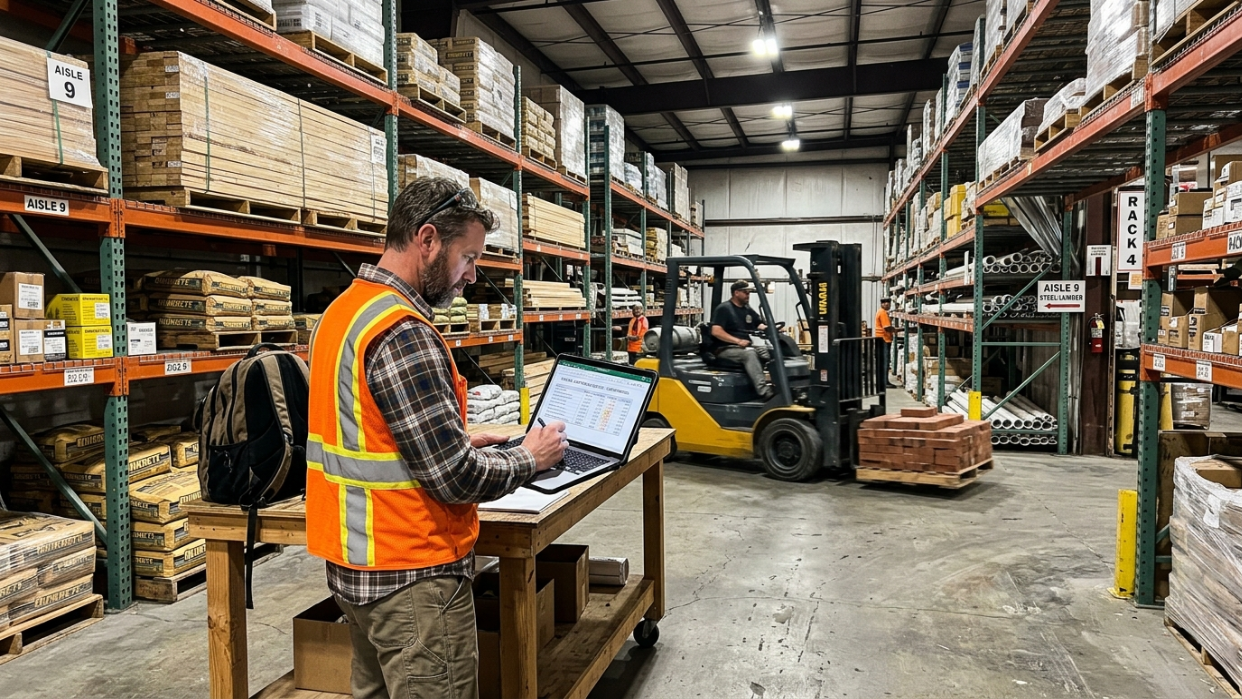
Not every vendor relationship needs to be a deep strategic partnership. The key is matching the right relationship model to the right situation. Think of it as a spectrum.
Transactional (Project-Based)
You need 500 yards of concrete for one pour. You call three suppliers, pick the cheapest, and move on. No ongoing commitment. This works for commodity purchases where switching costs are low and the stakes of a single order are manageable.
Preferred Vendor Arrangements
You’ve worked with a supplier on several projects and consistently gotten good results. You start directing more business their way without a formal agreement. They give you slightly better pricing or faster turnaround because they value the steady volume. Most contractor-vendor relationships settle here.
For contractors looking to formalize these arrangements, preferred vendor programs offer a structured framework.
Strategic Partnerships
These involve formal commitments across multiple projects or over a defined time period. Both parties invest in the relationship through dedicated account management, shared forecasting, joint problem-solving on projects, and negotiated pricing tiers. Strategic partnerships typically include performance metrics and regular business reviews.
Group Purchasing Alliances (GPOs)
A group purchasing organization aggregates the buying power of multiple contractors to negotiate better pricing from suppliers. The GPO handles the vetting, relationship management, and contract negotiation on behalf of its members. On average, organizations using a GPO pay about 13% less for supplies than those negotiating independently.
GPOs represent construction vendor partnerships at scale. They formalize what individual contractors struggle to achieve alone: the volume and consistency that unlock meaningful discounts. For a deeper look at how these work, see our contractor group purchasing organization guide.
Construction Vendor Partnership Models Compared
Partnership Type | Best For | Commitment Level | Main Advantage | Main Risk |
|---|---|---|---|---|
Transactional Purchasing | Commodity materials | Low | Maximum price flexibility | Inconsistent service |
Preferred Vendor Relationship | Repeat suppliers | Moderate | Better pricing and responsiveness | Informal expectations |
Strategic Partnership | Core trades and suppliers | High | Long-term reliability and collaboration | Overdependence |
Group Purchasing Organization (GPO) | Multi-project contractors | High | Volume discounts and pre-vetted vendors | Reduced supplier flexibility |
Why Construction Vendor Partnerships Matter More in 2026
Several industry trends are making long-term vendor relationships increasingly important for contractors:
Ongoing Material Volatility
Pricing instability continues across concrete, steel, asphalt, electrical components, and mechanical systems. Contractors with strong supplier relationships often gain earlier access to inventory and more stable pricing structures.
Skilled Labor Shortages
Reliable subcontractors are becoming harder to secure. Builders with established trade partner relationships are more likely to maintain workforce continuity across projects.
Tighter Operating Margins
With construction margins remaining thin, procurement efficiency has become a profitability issue rather than an administrative concern.
Faster Project Delivery Expectations
Owners increasingly expect compressed timelines. Contractors relying on unfamiliar vendors face higher onboarding delays and coordination inefficiencies.
Digital Procurement Adoption
Vendor management systems, procurement analytics, and integrated purchasing platforms are making formal partnerships easier to manage and measure at scale.
The Vendor Partnership Lifecycle
Construction vendor partnerships don’t just happen. They follow a predictable lifecycle, and understanding each stage helps contractors avoid the pitfalls that kill partnerships prematurely.
Stage 1: Selection and Prequalification
This is where partnerships actually begin, not at the handshake, but at the data review. Prequalification means verifying that potential vendors consistently meet project standards by reviewing certificates of insurance, licenses, financial records, work histories, and employee profiles.
Prequalification helps lower failure rates across all projects. Skipping it because you “have a good feeling” about a vendor is how contractors end up with insurance lapses, financial defaults, and work that doesn’t meet spec.
A sound construction sourcing strategy builds prequalification into every vendor selection decision.
Stage 2: Contract Negotiation
Contracts define expectations, but they also set the tone. Fair language builds mutual respect. One-sided terms that shift all risk onto the vendor signal that you view the relationship as extractive, not collaborative.
Strong contracts in construction vendor partnerships cover pricing structures, payment terms, change order processes, dispute resolution mechanisms, and performance expectations. They also specify what happens when things go wrong, because in construction, something always goes wrong.
Stage 3: Onboarding and Integration
Once a vendor is selected and contracted, they need to be integrated into your workflow. This means establishing clear communication channels, defining quality standards, aligning on schedule expectations, and introducing them to your project management tools and processes.
A number of construction managers surveyed by industry sources reported that establishing clear expectations through comprehensive written scope documentation significantly reduces disputes. This isn’t bureaucracy. It’s prevention.
Stage 4: Performance Monitoring
Partnerships require accountability. Construction managers use scorecards, regular reviews, and data from vendor management systems to identify top performers and phase out underperformers. This creates a dependable vendor pool over time.
The monitoring doesn’t need to be complicated. Weekly progress reviews, quality metrics, schedule adherence, and safety records cover most of what matters. The critical thing is consistency. If you only review performance when something goes wrong, you’ve already lost the partnership dynamic.
For contractors building formal tracking systems, our guide on construction procurement KPIs covers the metrics that matter most.
Stage 5: Closeout and Renewal
Closing out with vendors means more than cutting the final check. It’s about reflecting on lessons learned, acknowledging strong performance, and carrying those partnerships forward to the next project.
Vendors remember how you treat them at closeout. A thoughtful debrief, a prompt final payment, and a genuine “we want to work with you again” goes further than most contractors realize.
Key Metrics Used to Measure Vendor Partnership Performance
High-performing contractors treat vendor relationships like measurable business assets rather than informal relationships.
Common procurement and vendor KPIs include:
KPI | What It Measures | Why It Matters |
|---|---|---|
On-Time Delivery Rate | Schedule reliability | Prevents project delays |
Defect/Rework Frequency | Quality consistency | Reduces labor waste |
Change Order Responsiveness | Communication efficiency | Improves project agility |
Invoice Accuracy | Administrative reliability | Reduces payment disputes |
Safety Incident Rate | Risk exposure | Protects project continuity |
Material Cost Variance | Pricing stability | Protects margins |
Lead Time Accuracy | Forecast reliability | Improves scheduling |
Contractors that regularly review vendor performance data are better positioned to identify top-performing partners and reduce long-term procurement risk.
Benefits of Strong Construction Vendor Partnerships
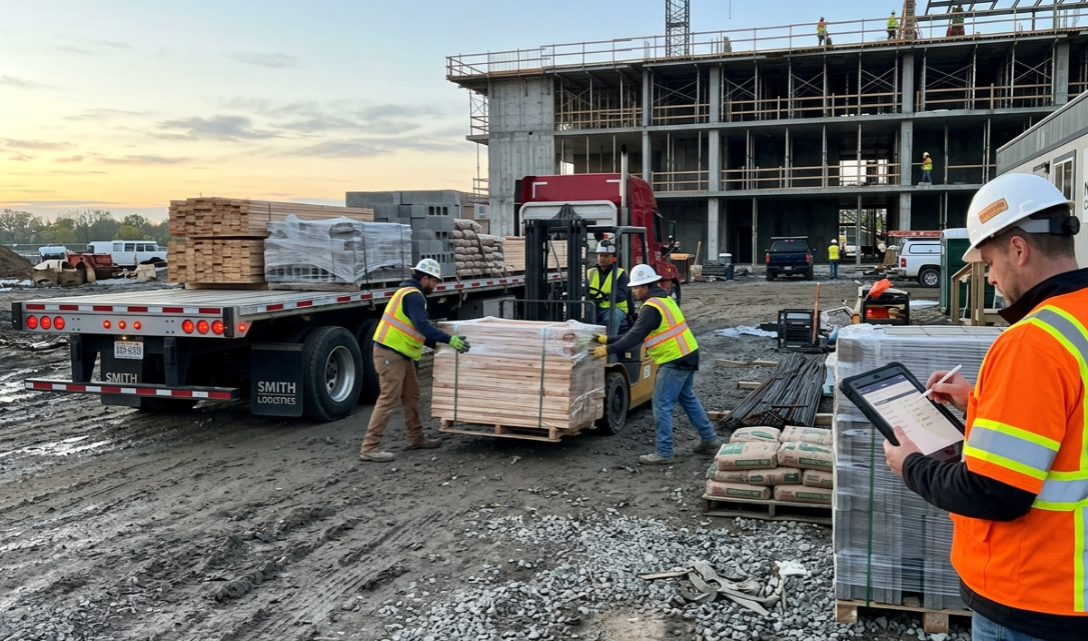
The benefits of vendor partnerships in construction are concrete and measurable, not just “better vibes.”
Cost Savings Through Commitment
Long-term trust translates into smoother projects and better pricing over time. Vendors who know they’ll get repeat business can afford to sharpen their pencils on pricing because they’re amortizing their customer acquisition costs across multiple projects.
Bulk purchasing amplifies this effect. By purchasing materials in bulk, construction companies can often secure lower prices from suppliers. In return, suppliers benefit from the larger order size and the certainty of future business. Contractors who want to go further can explore vendor rebate programs that return a percentage of spending back to the buyer.
Priority Access During Material Shortages
This benefit became painfully visible during the COVID-era supply chain disruptions and remains relevant today. Contractors with strong vendor partnerships often receive priority treatment during high-demand periods, ensuring their projects aren’t delayed due to material shortages.
When a supplier has to choose between fulfilling orders for a loyal partner or a one-time buyer, the loyal partner wins every time.
Faster Mobilization
Vendors who know your standards, your sites, and your expectations can mobilize faster on new projects. There’s less ramp-up time, fewer misunderstandings, and fewer delays caused by vendors learning your processes from scratch.
Reduced Disputes and Rework
Shared history creates shared understanding. Partners who have worked together repeatedly develop shorthand, anticipate each other’s needs, and resolve small problems before they become big disputes. This directly reduces rework costs, which is significant given that contractors spend $1.57 trillion on construction materials annually and up to 30% of materials delivered to job sites end up as waste.
Better Reputation
Contractors known for maintaining good supplier relationships build a reputation for reliability and professionalism. This attracts better vendors, better subcontractors, and ultimately better clients and projects. Reputation compounds.
Characteristics of Strong Construction Vendor Partnerships
The best vendor relationships in construction share several consistent traits.
Clear Expectations
Both parties understand scope requirements, communication standards, payment timelines, and quality expectations before work begins.
Mutual Profitability
Strong partnerships create financial value for both sides. Vendors who consistently lose money on projects rarely remain long-term partners.
Operational Transparency
Reliable contractors and vendors communicate early about delays, pricing changes, scheduling conflicts, and material shortages.
Consistency Across Projects
Partnerships strengthen when teams work together repeatedly and refine processes over time.
Shared Accountability
Strong partnerships avoid blame-focused behavior and prioritize collaborative problem solving when issues arise.
Common Risks and How to Mitigate Them
Construction vendor partnerships aren’t risk-free. Recognizing the common failure points helps contractors avoid them.
Late Payments: The #1 Partnership Destroyer
No matter how strong a partnership is, it can fall apart if the builder is slow to pay. Many adversarial relationships between builders and trade partners begin with a tardy dollar.
The data backs this up. A Xero study found that 88% of large construction businesses source materials from small suppliers. When late payments occur, the material supply chain gets disrupted, threatening both project timelines and the vendor’s ability to stay in business.
Practitioners surveyed by construction management publications repeatedly cite the same benchmark: paying within two weeks proves instrumental in maintaining strong relationships and improving subcontractor retention rates. If your accounts payable process can’t hit that window, fixing it should be priority one.
For a broader framework on managing these financial risks, our construction expense management guide covers practical approaches.
Over-Reliance on Single Vendors
Putting all your eggs in one vendor basket creates fragility. If that vendor has a capacity issue, a financial problem, or a quality slip, your entire project pipeline is exposed. Maintain relationships with at least two qualified vendors in every critical category.
Scope Misalignment
As one industry practitioner put it bluntly: “The builder’s purchasing department uses brass knuckles to beat down contractor bids. But that’s a short-sighted way to do business. A sub might have the lowest bid and the lowest quality of work, too.” This reflects the widely discussed tension between lowest-bidder culture and partnership-based approaches. Clear scope documentation prevents the ambiguity that leads to disputes.
Compliance and Insurance Lapses
Vendor insurance and licensing can expire mid-project. A vendor who was fully compliant at prequalification might not be six months later. Ongoing monitoring of certificates of insurance and license status isn’t optional in construction vendor partnerships, it’s a legal and financial necessity.
Material Price Volatility
Construction operates on razor-thin margins. Operating margins slipped to 2.8% in 2024 as material and labor costs outpaced escalation clauses. At those margins, procurement inefficiency doesn’t just reduce profit; it eliminates it. Strong vendor partnerships that include pricing protections, volume commitments, or escalation sharing mechanisms help absorb this volatility.
Understanding construction cost management strategies is essential when navigating these thin-margin realities.
Related Terms
Understanding construction vendor partnerships requires familiarity with several related concepts.
Term | Definition |
|---|---|
Vendor Management | The tactical process of prequalifying, contracting, and monitoring vendor performance. A subset of broader supplier relationship management. |
Supplier Relationship Management (SRM) | A strategic approach to managing all interactions with suppliers to maximize value, minimize risks, and build long-term partnerships. |
Trade Partner | A subcontractor elevated to a collaborative, long-term partner role with shared accountability. |
Group Purchasing Organization (GPO) | An organization that aggregates buying power across multiple contractors to negotiate better material pricing. See our construction procurement alliances guide for more. |
Vendor Management System (VMS) | Software that centralizes vendor data, automates workflows, and tracks performance metrics. |
Subcontractor Prequalification | The vetting process (insurance, licensing, financials, work history) before awarding work to a new vendor. |
How Group Purchasing Organizations Strengthen Vendor Partnerships
GPOs represent the institutional evolution of construction vendor partnerships. Instead of each contractor individually trying to build enough volume and rapport to earn meaningful discounts, a GPO aggregates demand across dozens or hundreds of member contractors.
This creates a structure where vendors participate willingly because the GPO guarantees volume and stable demand. In return, members get pre-negotiated pricing they couldn’t access alone.
Tony Callahan, VP of Purchasing at Shea Homes, offered an honest take on what GPO participation requires: “Are you willing to share cost information, change from your existing suppliers and trades, and alter your material specifications? If not, you’re unlikely to benefit.” That candor is important. GPOs work best for contractors willing to standardize and commit.
One builder described the practical impact this way: “I only have so many hours in a week to go after new vendors or vet new products. Having the rapport with the team and the contracts that are in place allows me to skip all that time, knowing that it’s already done.”
For contractors operating across multiple trades (concrete, asphalt, site work, and others), the coordination savings alone can be substantial. One contractor documented eliminating phone-based ordering and saving 14,000 hours over two years by formalizing their procurement through partnership structures.
The construction industry’s margin reality makes this more than a convenience play. When you’re working with 2.8% operating margins, a 13% reduction in supply costs from GPO membership isn’t incremental improvement. It’s the difference between a profitable year and a break-even one.
Explore how CNBA helps contractors access pre-negotiated vendor partnerships and group purchasing power across the Southeast.
Best Practices for Building Construction Vendor Partnerships
Contractors looking to strengthen supplier and subcontractor relationships should focus on operational consistency rather than short-term negotiation wins.
Standardize Vendor Onboarding
Create repeatable onboarding workflows that include:
Insurance verification
Licensing checks
Safety documentation
Scope clarification
Communication procedures
Payment expectations
Pay Vendors Quickly
Reliable payment practices remain one of the strongest predictors of subcontractor loyalty and supplier responsiveness.
Limit Vendor Count Strategically
Too many vendors create fragmentation and reduce purchasing leverage. Consolidating spend with high-performing suppliers often improves pricing and service quality.
Conduct Quarterly Vendor Reviews
Formal reviews help identify:
Performance trends
Scheduling issues
Quality concerns
Cost escalation risks
Opportunities for process improvement
Use Procurement Technology
Vendor management systems help contractors centralize compliance tracking, performance scoring, documentation, and purchasing analytics.
Frequently Asked Questions
What is the difference between a construction vendor partnership and a regular vendor relationship?
A regular vendor relationship is transactional: you place an order, receive goods, and pay an invoice. A construction vendor partnership involves long-term commitment, shared goals, performance accountability, and mutual investment in the relationship. Partners share information, collaborate on problem-solving, and commit to repeat business in exchange for better pricing, priority service, and reliability.
How do construction vendor partnerships reduce project costs?
They reduce costs through several mechanisms: negotiated volume pricing, reduced waste from better coordination, fewer change orders due to clearer communication, priority material access that prevents costly delays, and rebate programs tied to spending volume. Organizations using group purchasing structures pay roughly 13% less on supplies than independent negotiators.
What is the biggest risk to a construction vendor partnership?
Late payment. Every practitioner source points to the same conclusion. Paying vendors slowly, even if everything else in the relationship is strong, erodes trust faster than any other factor. Construction managers who maintain strong partnerships consistently cite paying within two weeks as a critical benchmark.
How do I know when to move from a transactional vendor relationship to a partnership?
Consider formalizing a partnership when you’ve used the same vendor across three or more projects, when the vendor consistently meets quality and schedule expectations, when the materials or services they provide are critical to your operations, and when you can commit to meaningful volume over time.
What is a GPO in construction?
A group purchasing organization (GPO) aggregates the buying power of multiple construction companies to negotiate better pricing with suppliers. Members benefit from volume discounts they couldn’t achieve independently, while suppliers benefit from guaranteed demand and simplified sales processes.
Do construction vendor partnerships work for small contractors?
Yes, and arguably they matter even more for small contractors. Smaller firms have less negotiating power individually, making group purchasing alliances particularly valuable. They also have less capacity to absorb the costs of vendor failures, making prequalification and long-term reliability critical.
How do I evaluate whether a vendor partnership is working?
Track measurable performance indicators: on-time delivery rates, defect or rework frequency, responsiveness to change orders, pricing competitiveness relative to market rates, and compliance with insurance and safety requirements. Regular scorecards and quarterly business reviews keep both parties accountable and give the partnership structure.
Can vendor partnerships help during material shortages?
Absolutely. Strong vendor relationships provide priority treatment during high-demand periods. Suppliers with limited inventory will allocate to their committed partners first. This was demonstrated clearly during COVID-era supply chain disruptions and remains relevant as material volatility continues.
Recent Comments