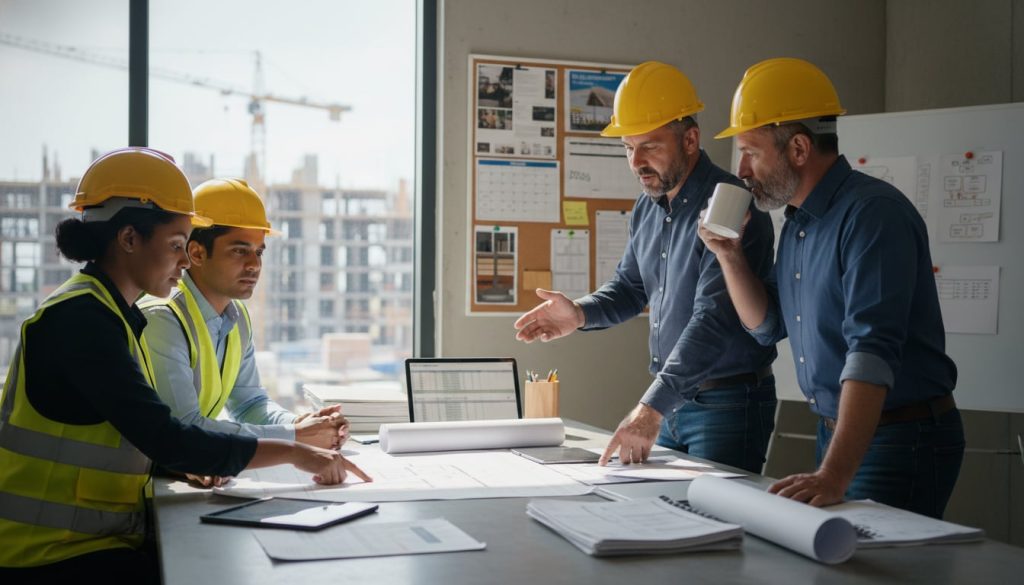
Getting the right materials, equipment, and subcontractors to the right place at the right time is the lifeblood of any construction project. Get it right, and you’re on track for a profitable, on schedule build. Get it wrong, and you’re looking at budget overruns and costly delays. This entire complex dance is managed by a process called construction vendor procurement.
Quick Takeaway: What is Construction Vendor Procurement?
Construction vendor procurement is the strategic end-to-end process of identifying, sourcing, negotiating, and managing third-party providers of materials, equipment, and subcontracted labor. Unlike simple purchasing, it involves high-level risk management and supply chain synchronization to ensure project delivery. In 2026, the three pillars of successful procurement are digital integration, inflation-hedging contracts, and supplier diversity.
Let’s break down what that really means. It isn’t just about buying things. It’s a strategic function that can make or break your company’s bottom line.
Procurement 101: More Than Just Purchasing
First things first, let’s clear up a common mix up. While people often use “procurement” and “purchasing” interchangeably, they are not the same thing.
What is Procurement?
Procurement is the big picture strategy for acquiring everything a project needs from outside sources. It’s a complete lifecycle that includes identifying needs, vetting suppliers, negotiating contracts, and managing those relationships over time. The main goal is to get the best possible value, which is a balance of cost, quality, timing, and risk. Think of it as a strategic function. In fact, companies with strong procurement practices tend to achieve greater cost savings and operational resilience.
Procurement vs. Purchasing
Purchasing is simply one piece of the procurement puzzle. It’s the transactional part of the process, the act of placing an order and paying an invoice.
Procurement is strategic. It involves the upstream work like sourcing vendors, negotiating long term deals, and assessing risk.
Purchasing is transactional. It’s the downstream work of creating a purchase order, arranging delivery, and processing payment.
Basically, purchasing is a subset of procurement. You can’t have good procurement without efficient purchasing, but focusing only on purchasing means you miss out on major opportunities for savings and building strong supplier partnerships. For a practical checklist, see construction purchasing strategy best practices.
The Role of Construction Vendor Procurement
So, what does this look like in the real world of construction? Construction vendor procurement is the comprehensive process of acquiring all the goods, materials, equipment, and services needed to complete a project. This covers everything from the concrete for the foundation to the specialized crew that installs the HVAC system. It has become the cornerstone of successful project delivery.
With modern challenges like supply chain hiccups and price volatility, a smart approach to construction vendor procurement is more critical than ever. Research from McKinsey shows that strategic procurement practices can slash project costs by as much as 12 percent.
Key Procurement Responsibilities
A procurement manager or team in a construction company wears many hats. Their job is to keep the project supplied, on schedule, and on budget.
Sourcing and Vetting Suppliers: They find and evaluate the best suppliers for the job, comparing quotes and ensuring materials meet project specifications.
Negotiating Deals: A huge part of the job is negotiating with vendors to secure better prices, bulk discounts, and favorable terms to avoid budget surprises later, often by leveraging national pricing programs.
Ensuring Timely Delivery: They coordinate with suppliers to make sure materials arrive on the jobsite exactly when needed. A delay in one critical delivery can bring an entire project to a halt.
Managing Costs: Procurement teams constantly monitor material prices, which can fluctuate wildly, and work to keep all purchases within the project budget.
Managing Risk: What if a supplier goes out of business or a key material becomes scarce? A good procurement professional anticipates these risks and has backup plans ready.
2026 Benchmarks for Procurement Success
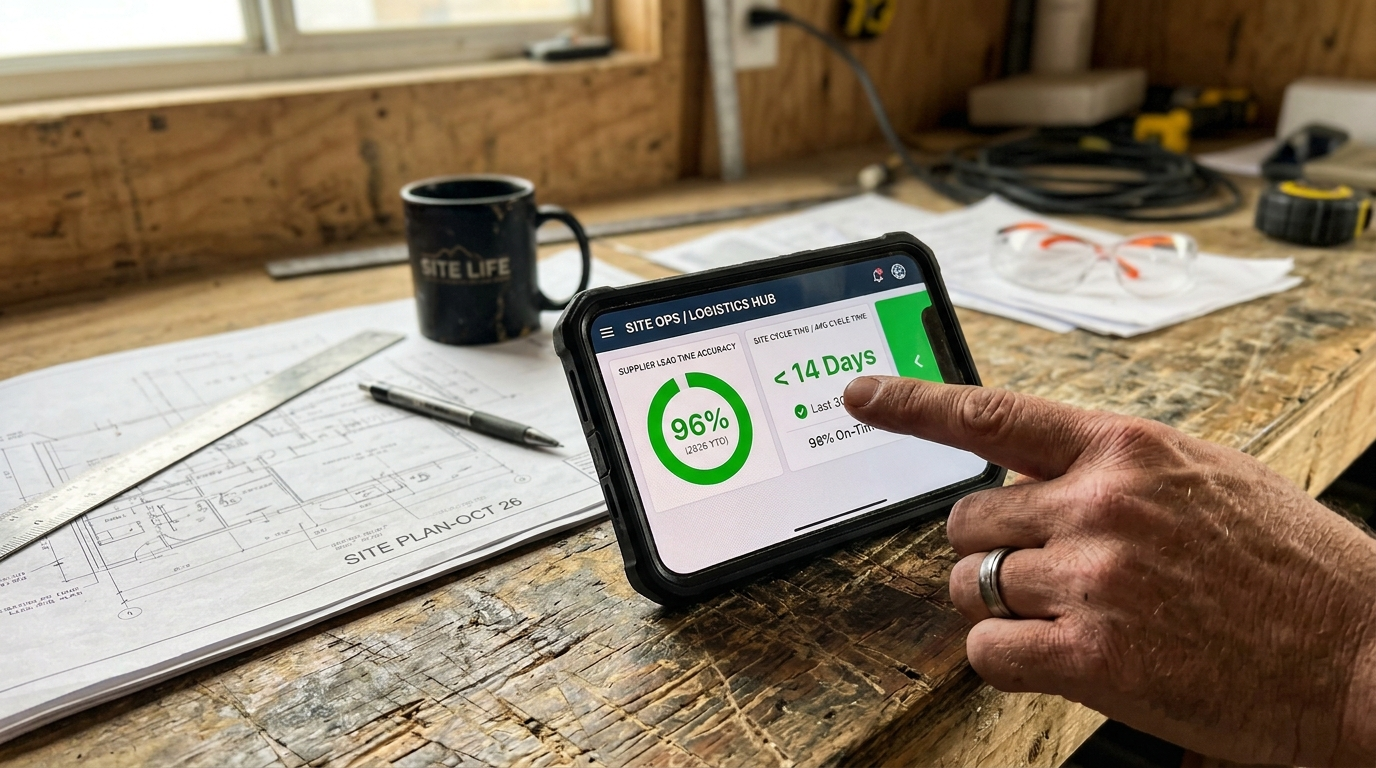
Use the following metrics to evaluate your vendor performance and internal efficiency:
Metric | Industry Benchmark (2026) | Strategic Impact |
Procurement Cycle Time | < 14 Days | Reduces project start delays and prevents price-lock expiration. |
Supplier Lead Time Accuracy | 95% + | Essential for “Just-in-Time” delivery to urban or congested sites. |
Emergency Sourcing Rate | < 5% | Minimizes high-cost, last-minute “spot buying” that erodes margins. |
Contract Price Compliance | 98% | Ensures vendors honor negotiated rates despite market volatility. |
Structuring Your Project: Construction Procurement Methods
Before you can buy anything, you need to decide how the entire project will be structured. These structures are called construction procurement methods or project delivery methods. For a deeper dive into how sourcing choices shape outcomes, see this complete guide to construction sourcing strategy. They define the relationships and contracts between the owner, designer, and contractor.
Traditional (Design Bid Build): This is the classic two step method. An owner hires a designer to create the plans, then puts the finished design out to bid for contractors. The construction contract is typically awarded to the lowest responsible bidder.
Design Build: Here, the owner awards a single contract to one team that handles both the design and construction. This can speed up the project timeline and creates a single point of accountability.
Construction Management at Risk (CMAR): An owner brings a Construction Manager (CM) on board early in the design phase. The CM provides input and then acts as the general contractor, committing to a Guaranteed Maximum Price (GMP).
Management Contracting: In this model, the owner hires a firm to manage procurement and construction, but the owner holds all the individual trade contracts. This gives the owner more control but also more risk.
The chosen method dictates how construction vendor procurement happens. In a Design Bid Build project, procurement is heavily focused on the competitive bidding process. In Design Build, it’s more about selecting the right integrated team from the start.
The Step by Step Construction Procurement Process
No matter the project method, the actual process of procuring goods and services follows a structured workflow. Following these steps ensures fairness, transparency, and control.
The 8 Steps of the Procurement Process
Identify Needs: The project team creates detailed specifications for what needs to be bought, from the grade of steel to the scope of work for the plumbing subcontractor.
Solicit Bids (Bid Solicitation): The procurement team sends out an Invitation to Bid (ITB) or Request for Proposal (RFP) to potential suppliers. This document contains all the project details needed to make an offer.
Supplier Bidding and Pricing: Interested vendors estimate their costs, add a profit margin, and submit their formal bids. In construction, where average profit margins hover around 5%, this pricing is done very carefully.
Evaluate Bids (Bid Selection): The team evaluates all submitted bids against criteria like price, qualifications, and ability to meet the schedule. This is the bid selection phase where the winning offer is chosen.
Award Contract: A formal contract or Purchase Order (PO) is issued to the winning bidder. This legally binding document locks in the price, delivery dates, and all other terms.
Manage Delivery and Logistics: The focus shifts to getting the goods to the site. This involves coordinating shipping schedules and managing on site logistics to avoid delays.
Receive and Inspect: When materials arrive, they are inspected for quantity and quality. Any damaged or incorrect items are addressed with the supplier.
Process Payment and Close Out: The supplier’s invoice is processed for payment according to the contract terms. The vendor’s performance may also be documented for future reference.
A Deeper Look at Bidding and Delivery
The middle stages of the construction vendor procurement process, from bidding to delivery, are where plans turn into action.
The Bidding Game: Solicitation, Selection, and Pricing
Bid solicitation is the formal process of inviting suppliers to bid. The goal is to generate healthy competition to find the best value. A clear, detailed bid package leads to more accurate and reliable bids.
Once bids are in, bid selection begins. This isn’t always about picking the lowest price. Sometimes it’s about the “best value”, which might include a bidder’s experience or a smarter technical approach. The aim is to choose the partner who gives the project the best chance of success.
From the other side of the table, supplier bidding and pricing is a strategic calculation. Suppliers estimate their direct and indirect costs and add a markup for profit. They also factor in market competition and project risk. An unusually low bid might be a red flag that the supplier missed something or is cutting corners.
The Final Mile: Purchase and Delivery Logistics
After a contract is awarded, the purchase is formalized with a Purchase Order. Then, delivery logistics takes over. This is the complex task of moving materials from the supplier to the jobsite.
Effective logistics planning is crucial. It involves:
Scheduling: Timing deliveries to align with the construction schedule, often using a just in time approach.
Transportation: Choosing the right trucks and planning routes, especially for oversized loads.
Site Coordination: Managing on site storage and unloading to prevent congestion and damage.
Poor logistics can cause significant delays and budget overruns.
Navigating Procurement Challenges and Risks
The path of construction vendor procurement is rarely smooth. Professionals must navigate a number of significant challenges.
Common Construction Procurement Challenges
Key issues include cost overruns, volatile material prices, and supply chain disruptions. In fact, Only 31% of projects came within 10% of budget in the past three years. In 2022, 36% of contractors had a project that was postponed or canceled and not rescheduled, and rising costs were the main reason for cancellations and postponements.
Cash Flow Management in Procurement
Cash flow is king in construction. A business can be profitable on paper but fail if it can’t manage its cash. Procurement decisions heavily impact cash flow, as contractors often have to pay for materials long before they get paid by the client. With around 82% of contractors waiting over 30 days to get paid, managing this gap is a constant struggle. One practical lever is setting up supplier rebate programs that return a portion of spend to your bottom line.
Procurement Risk Management
Procurement risk management is all about identifying what could go wrong and having a plan to deal with it. This involves:
Using Smart Contracts: Including clauses like price escalation can protect against volatile markets. Unfortunately, one review found that 66% of construction contracts lack this protection.
Locking in Prices: Securing fixed prices with suppliers early on can shield a project from market swings.
Diversifying Suppliers: Having multiple approved vendors for critical materials provides a crucial backup if one fails.
Gaining a Competitive Edge in Procurement
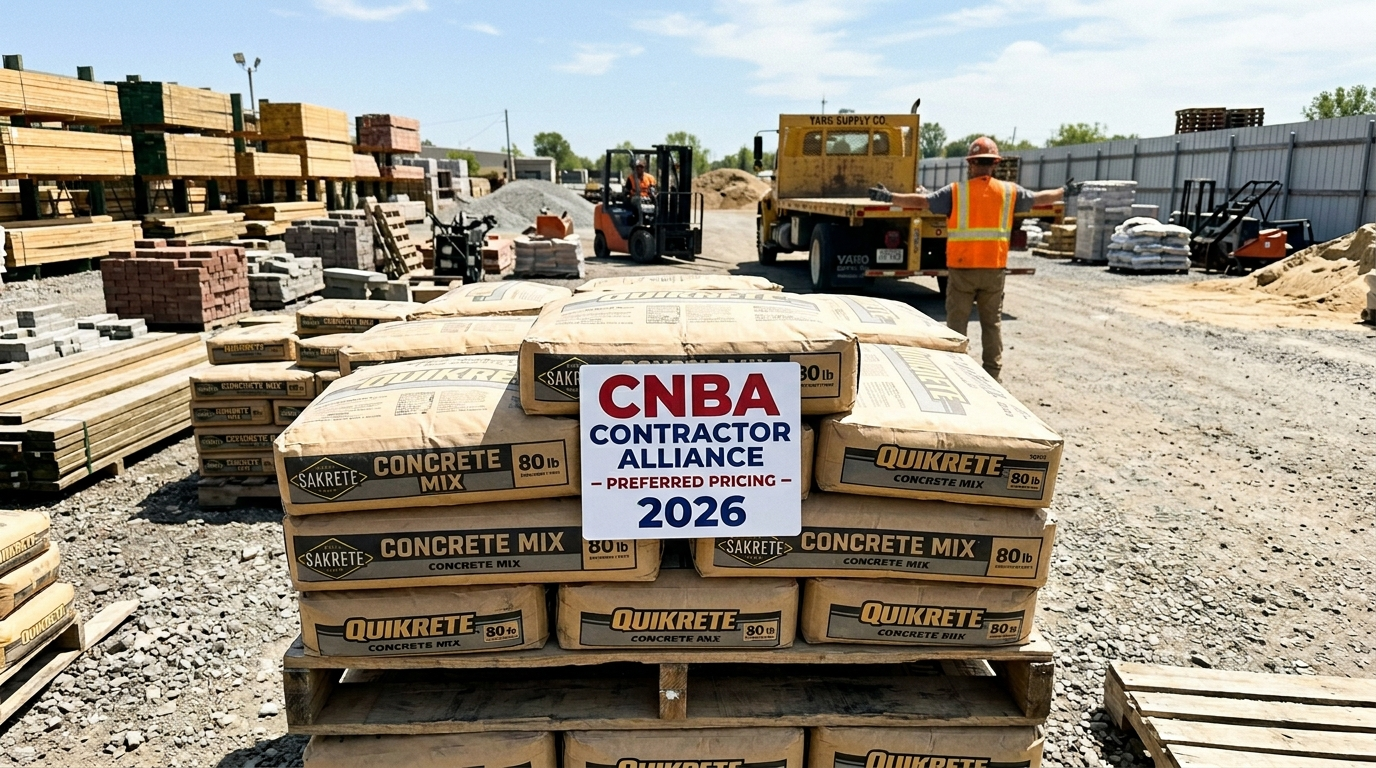
Managing all these complexities is a tall order. That’s why many forward thinking contractors join group purchasing organizations or buyer’s alliances. By banding together, contractors can pool their purchasing power to gain leverage they wouldn’t have on their own.
An alliance like the Contractors National Buyer Alliance (CNBA) helps members overcome common construction vendor procurement challenges. If you’re evaluating options, compare the best buying groups for contractors. They negotiate favorable pricing and terms with a network of vetted national and regional suppliers, reducing price risk and ensuring a reliable supply chain. This collaboration gives members a significant competitive advantage in their bidding and project execution. For a real-world example, see how a CNBA strategic alliance helped DRYCO elevate contractor success. Discover the benefits of joining a contractor’s alliance.
Digital Transformation in Modern Sourcing
In 2026, manual spreadsheets are being replaced by integrated ecosystems. To stay competitive, procurement teams are adopting three key technologies:
Predictive Analytics: Using data to forecast material price surges (like steel or timber) before they hit the budget.
Automated Verification: Using software to instantly check subcontractor insurance and safety certifications, reducing liability.
BIM-Integrated Ordering: Linking Building Information Modeling (BIM) directly to procurement workflows to automate “Take-offs” and material orders.
Frequently Asked Questions
What is the main goal of construction vendor procurement?
The primary goal is to acquire all necessary materials, services, and equipment at the best possible value, balancing cost, quality, timeliness, and risk to ensure project success.
How does technology help in the construction procurement process?
Modern software helps automate tasks like issuing purchase orders, tracking deliveries with GPS, managing inventory, and comparing bids. This increases efficiency, improves communication, and provides better data for decision making.
What is the difference between a Purchase Order (PO) and a contract?
A contract is a detailed legal agreement covering the entire scope of work or supply. A Purchase Order is typically a simpler document used for a specific, one time purchase, but it is still a legally binding agreement once accepted by the supplier.
Why is diversifying suppliers important for risk management?
Relying on a single supplier for a critical material is risky. If that supplier has a production issue, goes out of business, or faces shipping delays, your project can grind to a halt. Having pre-qualified backup suppliers provides a safety net.
How can a buyer’s alliance improve a contractor’s procurement?
Alliances like CNBA leverage the combined purchasing volume of all their members to negotiate better pricing, payment terms, and service levels from suppliers than a single contractor could get alone. This directly lowers costs and reduces supply chain risk. See how CNBA empowers its members.
Recent Comments