
In the competitive world of commercial and industrial contracting, securing the best prices from suppliers often feels like a game reserved for the biggest national players. A contractor group purchasing organization (GPO) levels the playing field. It’s a collective of contractors that pools their purchasing volume to negotiate superior pricing, rebates, and terms that individual companies couldn’t access on their own. By joining one, you gain the buying power of a giant without having to be one yourself.
This guide breaks down everything you need to know about how these powerful alliances work, the real world benefits they deliver, and how to choose the right one for your business. It’s all about leveraging the power of the group to build a more profitable and efficient company.
Feature | Individual Contractor | GPO Member (2026 Standard) |
Pricing Leverage | Limited to local volume | National/Aggregated volume |
Average Savings | 2–5% (Negotiated) | 10–25% (Pre-negotiated) |
Rebate Access | Rarely available for SMEs | Quarterly cash-back programs |
Supply Chain Priority | Standard | High (Tier 1 status) |
Procurement Tech | Manual/Spreadsheets | AI-integrated platforms |
Understanding the GPO Model
So, what exactly is a contractor group purchasing organization and how does it operate? Let’s peel back the layers on this powerful procurement tool.
What is a Contractor Group Purchasing Organization?

A contractor group purchasing organization is a collective alliance created specifically for construction and trade related businesses. It works by pooling the purchasing volume of all its members (you and hundreds of other contractors) to negotiate better pricing, rebates, and terms from suppliers and manufacturers.
Think of it this way: instead of one contractor buying ten pallets of concrete, the GPO represents a group buying a thousand pallets. That massive volume gives the GPO incredible negotiating leverage. As a member, you get to enjoy the discounts and benefits that come from that collective power, something that would be nearly impossible to achieve on your own. Groups like the Contractors National Buyer Alliance (CNBA) specialize in matching commercial contractors with top national vendors such as White Cap to unlock these savings for everyone involved.
How a GPO Works for Contractors
The process is surprisingly straightforward. A GPO aggregates the demand from its members and uses that scale to negotiate master contracts with suppliers. Instead of every contractor spending weeks on RFPs and price negotiations, the GPO’s experts handle it all.
Once a contract is in place, members can purchase directly from that supplier using a special account or code that applies the pre negotiated group discount. It’s important to understand that a GPO doesn’t replace your procurement team, it supercharges it. Your team still decides what to buy and when, but they do it with better pricing and access to a vetted network of high quality suppliers. This means a small trade contractor can get consistently low prices on materials and services without having to buy in huge quantities.
GPO Types: Vertical vs. Horizontal
GPOs generally fall into two categories:
Vertical GPOs serve a specific industry. A contractor group purchasing organization is a perfect example of a vertical GPO. It focuses on negotiating deals highly relevant to the construction industry, such as building materials, fuel, equipment, and safety gear like this construction PPE checklist. This specialization means they deeply understand the market and its needs.
Horizontal GPOs work across many industries. They negotiate contracts for common business expenses that almost any company uses, like office supplies, shipping, and technology.
For a construction business, a vertical GPO like CNBA is often the best fit because its vendor partnerships and contract terms are tailored specifically to your day to day needs.
What’s the Difference?
Direct Spend: Materials that go into the building (concrete, steel, lumber).
Indirect Spend: Costs to run your business (fleet, fuel, office tech, PPE).
A 2026 GPO helps you master both. While your team focuses on project-specific lumber quotes, the GPO automates the savings on your $50k annual fuel bill or your fleet’s maintenance.
GPO Fee and Revenue Model
You might be wondering how a GPO can offer these benefits, often for free. Most GPOs are funded by the suppliers, not the members. Vendors pay a small administrative fee, typically a low percentage (around 1 to 3 percent) of the sales made through the GPO contracts.
This model makes sense for everyone. Suppliers get access to a large, dedicated customer base, and the GPO is incentivized to create deals that members actually use. While some GPOs may charge a membership fee, many, especially in the modern era, are completely free for contractors to join. A reputable GPO will always be transparent about its revenue model.
The Financial and Operational Benefits of a GPO
Joining a contractor group purchasing organization isn’t just about small discounts. The benefits ripple through your entire operation, boosting profitability, efficiency, and even your competitive edge.
Contractor Group Purchasing vs. Self Negotiated Discounts
The main difference between group purchasing and going it alone comes down to leverage. An individual contractor negotiating has limited volume to offer a supplier, resulting in modest discounts at best. A GPO, however, walks into that negotiation backed by the spending power of its entire membership. The result is access to pricing and terms members simply couldn’t get on their own. Studies have shown GPOs can deliver savings from 10 percent up to 25 percent on annual purchasing. For a real-world example, see how strategic alliances elevate contractor success.
While self negotiation offers total control, it consumes a massive amount of time. GPOs free your team from that burden, allowing them to focus on managing projects instead of chasing quotes.
Volume Leverage for Trade Contractors
Volume leverage is the core principle of a GPO. For trade contractors specializing in areas like electrical, plumbing, or concrete, this is a game changer. By combining orders, the GPO creates a massive demand that makes suppliers take notice. This allows a mid sized plumbing company to get the same preferential rate on fixtures as a national homebuilder. It levels the playing field, boosts your margins, and helps you win more competitive bids.
Earn More with Supplier Rebates
On top of upfront discounts, many GPO contracts include supplier rebates. These are cash back payments made to members based on their collective spending with a vendor. Essentially, it’s a reward for the group’s loyalty.
These rebates can be substantial. For instance, one construction GPO reported distributing $16 million in rebates to its members in a single year. These funds are typically paid out quarterly or annually and can feel like a bonus profit stream, further reducing the effective cost of your materials.
Scalability Support for Growing Contractors
A GPO acts as a growth partner. As your company takes on bigger projects, your procurement needs scale seamlessly. You maintain access to top tier pricing without having to build a large internal purchasing department. A smaller company can lean on the GPO’s infrastructure to operate with the efficiency of a much larger firm. This means your material costs won’t balloon as you grow, because your buying power increases right alongside your business.
Increased Supplier Attention and Priority Access
When you’re part of a GPO, suppliers see you as part of a major account. This translates into better service, dedicated support, and increased attention. Your phone calls get answered faster, and problems get resolved with more urgency.
This priority status is critical during supply chain disruptions. When materials are scarce, suppliers are more likely to allocate limited inventory to their largest customers, including their GPO partners. This means GPO members are often first in line for critical supplies, protecting projects from costly delays.
Time Savings and Improved Team Productivity
Time is your most valuable asset. By using pre negotiated contracts, your team saves countless hours that would otherwise be spent sourcing vendors, requesting quotes, and negotiating terms. This streamlined process allows your purchasing team to shift from tedious administrative work to more strategic activities.
With the GPO handling the heavy lifting, your team becomes more productive. They can manage a larger volume of purchasing without being overwhelmed, focusing their energy on project execution and quality control. This simplified procurement operation reduces administrative workload and helps get materials to the job site faster. Standardizing on jobsite essentials can make this even more efficient.
Technology, Compliance, and Risk Management in a GPO
Modern GPOs are more than just deal makers. They offer sophisticated platforms and processes that bring new levels of control, visibility, and security to your procurement operations.
AI-Powered Procurement and Spend Analytics
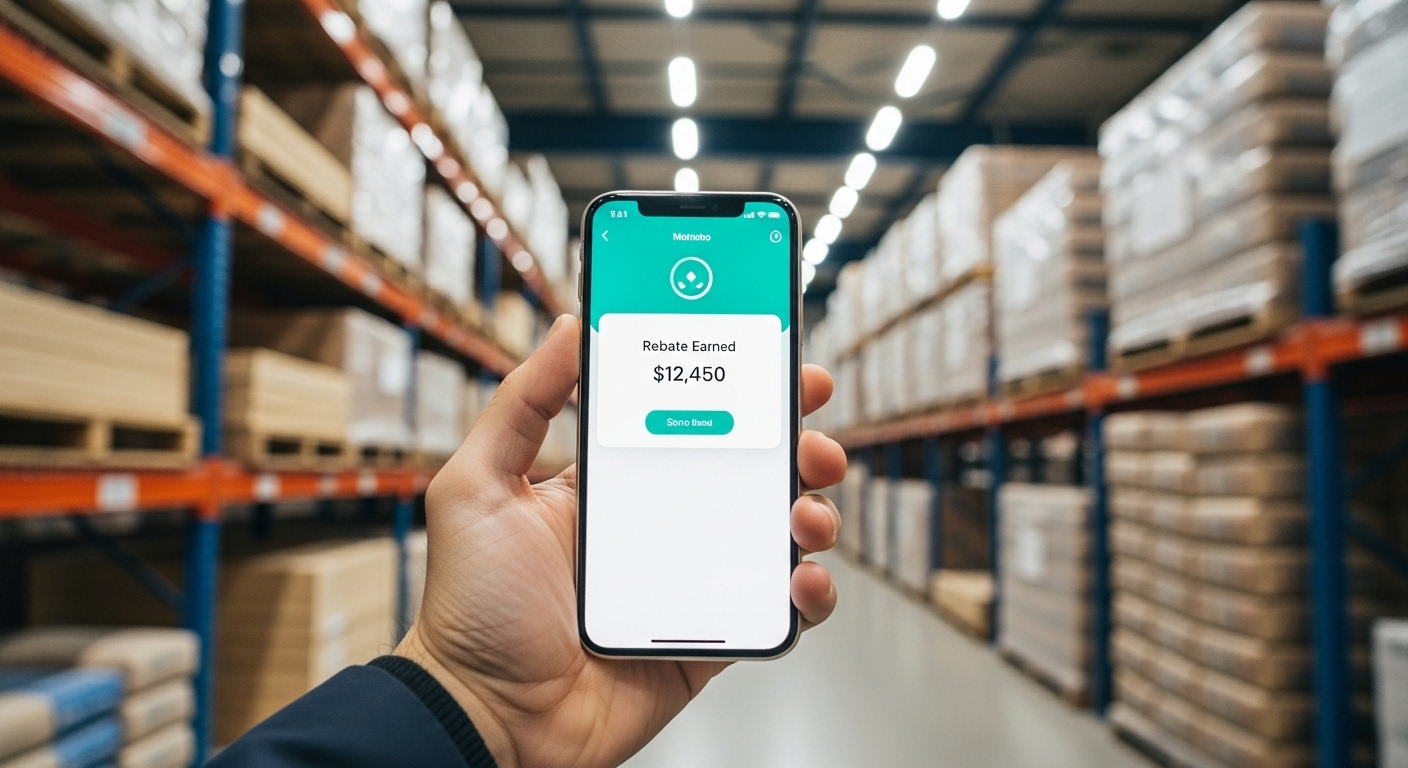
Legacy GPOs were just about price lists. 2026 GPOs use AI-driven analytics to:
Predict Price Volatility: Get alerts before steel or fuel prices spike.
Automate Rebate Tracking: No more manual spreadsheets; AI identifies every eligible cent of cash back.
Identify “Maverick” Spend: Spot when field teams buy off-contract at higher prices.
Approval Workflows and Purchasing Compliance
GPO platforms help ensure purchasing compliance by allowing you to build in your company’s internal controls. You can set up approval workflows that automatically route orders for sign off based on dollar amount or category. This enforces financial discipline and prevents maverick spending.
Furthermore, many GPO contracts are competitively solicited, which can help you meet compliance requirements for public or government funded projects. The system creates a clear audit trail, ensuring every purchase is documented and approved according to your policies.
Risk Mitigation and Supplier Management
Joining a GPO helps mitigate several key business risks. And don’t overlook cyber crime against construction companies as part of your risk plan.
Contract Risk: You benefit from professionally negotiated, standardized contracts, reducing the risk of agreeing to unfavorable terms.
Supply Chain Risk: With priority access to inventory and a diverse supplier network, you’re better protected from shortages and disruptions.
Performance Risk: The GPO handles supplier performance management. They monitor KPIs like on time delivery and product quality. If a vendor underperforms, the GPO leverages the group’s influence to demand improvements.
The GPO also simplifies contract document management. The master agreements are maintained by the GPO, reducing your administrative and legal review burden. They also perform supplier and contract audits to ensure vendors are honoring the agreed upon pricing and terms.
Rebate Software Integration
To manage complex rebate programs, GPOs often use integrated rebate software. This technology automatically tracks every eligible purchase across the membership, ensuring all rebates are calculated accurately and paid out promptly. For members, this means you never miss out on earned cash back due to a clerical error. It turns rebates into a reliable and predictable financial benefit.
The Sustainability Edge: ESG and Green Procurement
In 2026, winning bids often requires proving your environmental impact. Modern GPOs are now vetting suppliers for:
Carbon Footprint: Access to low-carbon concrete and recycled steel.
Waste Reduction: Suppliers with take-back programs for packaging.
Compliance Reporting: GPO platforms that generate ESG reports for your project owners.
Choosing the Right Contractor GPO
Not all GPOs are created equal. Finding the right partner for your business requires some thoughtful evaluation.
How to Choose a Contractor GPO
Start your due diligence before joining by assessing a few key factors:
Vendor Network: Does the GPO partner with industry leading brands that you already use or trust? Evaluating their brand partnerships is critical. A strong GPO will have a comprehensive network covering your major spend categories. For example, review CNBA’s Diamond Blade Warehouse partnership.
Fee Structure: Is membership free? Are there any hidden costs or minimum spending requirements? A transparent GPO will be upfront about all commitments.
Reputation and Membership: How long have they been around? Can they provide testimonials or case studies from other contractors?
Support and Technology: Do they offer a user friendly platform and dedicated support to help you get the most out of your membership?
Local Chapter Considerations
Some of the most effective GPOs organize members into local chapters. These groups meet regularly to share best practices, discuss market challenges, and even coordinate on local bulk purchases. Collaborating with local peers, even competitors, can build a powerful support network and unlock additional savings. If you value community and knowledge sharing, look for a contractor group purchasing organization with a strong local chapter network.
Is a GPO a Good Fit for Large Organizations?
Even large contractors with their own procurement teams can benefit from a GPO. They can use the GPO strategically for indirect spend categories (like office supplies, fleet management, and auto parts for construction) or to quickly access vetted suppliers in new geographic markets. This frees up their internal team to focus on negotiating high stakes, core material contracts while still capturing savings across the board.
Understanding the Potential Limitations
While the benefits are significant, it’s important to have a balanced view. GPOs do have some limitations to consider.
Limited Supplier Choice: You are choosing from a pre vetted list of suppliers. If you have a long standing relationship with a local vendor who isn’t part of the GPO, you won’t get the group discount with them.
Less Customization: GPO contracts are designed to serve the majority, so they may offer less flexibility for highly specialized or unique project requirements. This is a key
limitation of a GPO.Contract Restrictions: Some GPO contracts may come with restrictions, such as minimum volume commitments or exclusivity clauses, to ensure the group delivers on its promises to suppliers.
A Shift in Internal Control: Relying on a GPO means ceding some control over supplier selection and negotiation. While this frees up your team, it requires trusting the GPO’s expertise and processes.
For most contractors, these trade offs are well worth the savings and efficiencies gained. A strategic approach, where you use the GPO for the majority of your spend while sourcing unique items directly, often provides the perfect balance.
Conclusion: Build a Stronger Business with Group Power
A contractor group purchasing organization is a proven tool for leveling the playing field. By harnessing the power of collective buying, contractors of all sizes can reduce costs, streamline operations, and build more resilient businesses. From gaining volume leverage and earning substantial rebates to improving team productivity and mitigating supply chain risks, the benefits are clear and compelling.
If you’re ready to stop leaving money on the table and start buying smarter, it’s time to explore what a GPO can do for you. Alliances like the Contractors National Buyer Alliance (CNBA) are dedicated to empowering contractors with the tools and partnerships they need to succeed.
Frequently Asked Questions (FAQ)
1. What is the main benefit of joining a contractor group purchasing organization?
The primary benefit is cost savings achieved through volume leverage. By pooling the purchasing power of many contractors, a GPO negotiates prices and rebates that are significantly better than what a single company could achieve on its own.
2. Is my company too small to join a GPO?
No. In fact, small and mid sized contractors often see the greatest benefits. A GPO gives them immediate access to the purchasing power of a much larger enterprise, helping them compete more effectively on material costs.
3. Will I be forced to buy from specific suppliers?
Most modern GPOs offer flexibility. While the best savings are found within the GPO’s network, you are typically not forced to use a specific contract. However, some rebate programs may require a certain level of commitment to a supplier. It’s best to clarify this with any contractor group purchasing organization you consider.
4. How much does it cost to join a contractor GPO?
Many GPOs, including CNBA, are free for contractors to join. They are typically funded by administrative fees paid by the suppliers who gain access to the GPO’s member base.
5. How does a GPO help with supply chain shortages?
GPOs are large, important customers for suppliers. During shortages, suppliers often prioritize fulfilling orders for their biggest accounts. As a GPO member, you are part of that priority group, which can give you access to limited inventory when others can’t get it.
6. Can I still negotiate my own deals if I join a GPO?
Yes. Joining a GPO doesn’t stop you from negotiating directly with suppliers, especially for unique items not covered by GPO contracts. Most companies use a hybrid approach, leveraging the GPO for common materials and services while managing specialized procurement in house.
Recent Comments