
The success of any construction project often hinges on something that happens long before the first shovel hits the ground: procurement. It’s the complex, multi step process of acquiring all the materials, services, and equipment needed to turn a blueprint into a building. Understanding and mastering the construction procurement lifecycle is not just an administrative task; it’s a strategic advantage that can save you time, reduce costs, and minimize risk.
What is the construction procurement lifecycle?
The construction procurement lifecycle is a strategic four-phase process used to acquire the materials, labor, and services required for a project. The four phases are:
Planning & Strategy: Defining requirements and selecting a delivery method (e.g., Design-Build).
Sourcing & Selection: Issuing RFPs, evaluating bids, and awarding contracts.
Execution & Management: Handling purchase orders, logistics, and quality control.
Closeout & Inspection: Finalizing documentation, settling accounts, and project handover.
This guide will walk you through every stage of the construction procurement lifecycle, from initial planning to final closeout. We’ll break down each step, explain key responsibilities, and share insights to help you navigate this critical process like a pro.
Phase 1: Planning and Strategy
Everything starts with a plan. This initial phase of the construction procurement lifecycle is about defining what you need, how you’ll get it, and who is responsible for making it happen.
What is Procurement, Really?
In construction, procurement is the formal process of purchasing all the goods and services required for a project. This includes everything from hiring subcontractors to sourcing raw materials like steel and concrete. But it’s more than just buying things. Effective procurement involves strategic sourcing and negotiation to get the best possible value, balancing cost, quality, and schedule.
Choosing Your Procurement Method
A procurement method is the overall strategy for organizing and contracting the project. The method you choose sets the framework for roles, risks, and responsibilities. Common approaches include:
Design Bid Build (DBB): A traditional method where design and construction are handled by separate entities, and the project is typically awarded to the lowest bidder.
Design Build (DB): A streamlined approach where a single entity manages both design and construction. This method is growing in popularity because it’s efficient; in fact, design build projects are completed over twice as fast as traditional DBB projects on average.
Industry trends show a clear shift toward more collaborative contractor alliances. A staggering 82% of project owners expect greater collaboration between owners and contractors in the coming years, pushing the industry to rethink traditional methods.
Method | Best For | Speed | Primary Risk Holder |
Design-Bid-Build (DBB) | Low-complexity, budget-focused projects | Slower | Project Owner |
Design-Build (DB) | Fast-track projects requiring collaboration | Fastest | Design-Build Entity |
Integrated Project Delivery (IPD) | Highly complex, multi-stakeholder builds | High | Shared (All Parties) |
Construction Mgmt at Risk (CMAR) | Large projects with evolving scopes | Moderate | Construction Manager |
Defining Roles and Responsibilities
A dedicated procurement team, which could be one person or an entire department, is responsible for managing the purchasing process. Their duties include preparing tender documents, identifying qualified suppliers, evaluating bids, and negotiating contracts. A Procurement Manager typically leads this effort, ensuring every purchase aligns with the project’s goals.
The design team (architects and engineers) also plays a pivotal role. They translate the owner’s vision into detailed specifications and drawings, which directly define what needs to be procured. Their decisions heavily influence purchasing, as many product selections happen during the design phase. 73% of architects will leave a manufacturer’s site if they can’t find needed product information within a few clicks, and they’re twice as likely to look on a competitor’s site instead., highlighting how early design choices shape the entire construction procurement lifecycle.
From Blueprint to Shopping List
Before you can buy anything, you need a precise list and a plan for how collective purchasing can lower unit costs. This is where material requirements definition comes in. It’s the process of identifying every material needed, along with quantities and specifications, often compiled in a Bill of Materials (BOM) or Bill of Quantities (BOQ).
Getting this right is critical because materials can account for 50-70% of project cost. An accurate list prevents shortages that cause delays and overages that lead to waste.
Budgeting and Financial Planning
Procurement planning and budgeting create a financial roadmap. This involves scheduling purchases to align with the construction timeline, estimating costs for each item, and ensuring everything fits within the overall budget. This stage relies heavily on understanding the contractor’s estimate, which is a detailed forecast of all project expenses, including materials, labor, and overhead.
However, estimates can be difficult to nail down, and only 5% of projects over $1 billion were completed within their original budget and schedule. This makes proactive cost control and cash flow management essential from day one. Strong procurement planning anticipates issues like price fluctuations and long lead times, setting the project up for financial success, and programs like vendor rebates can further offset costs.
Phase 2: Sourcing and Selection
With a solid plan in place, the next stage of the construction procurement lifecycle involves finding the right partners to supply the goods and services you need.
Evaluating Bids and Proposals
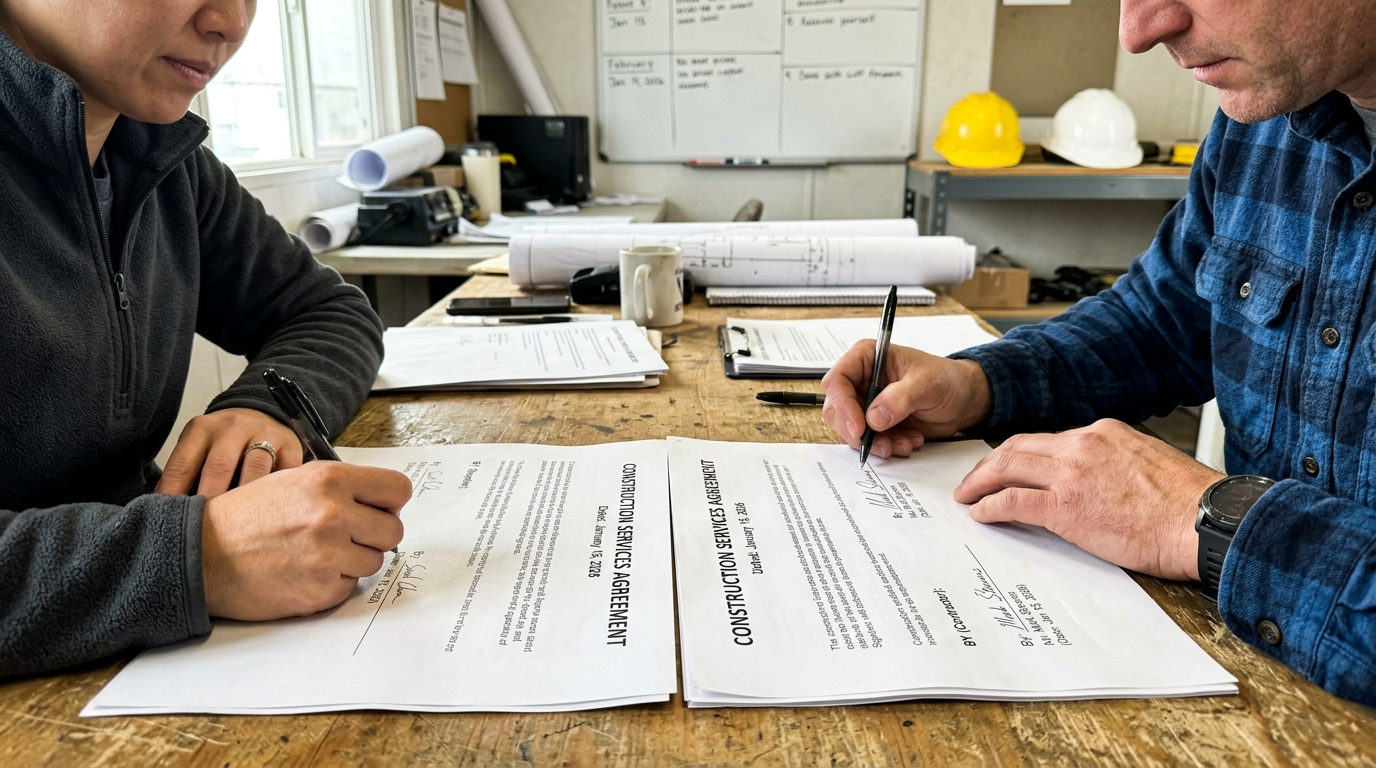
This is the process of reviewing offers from potential suppliers or contractors. Whether you issue a Request for Proposal (RFP) or a simple invitation to bid, the goal is to assess each response against set criteria like price, experience, and ability to meet the schedule.
While it can be tempting to simply choose the lowest price, best practice encourages evaluating overall value. Poor contractor performance is a leading cause of project failure, with 69% of project owners citing it as the biggest reason for underperformance. A thorough evaluation that considers qualifications and past performance helps mitigate this risk and ensures you select a competent and reliable partner, laying the groundwork for strong vendor partnerships.
Selecting Suppliers and Awarding Contracts
After a winner is chosen, the final step is supplier selection and contract award. This involves formally notifying the selected vendor and executing a legally binding contract that details the scope of work, price, schedule, and all other terms.
This stage is about more than a single transaction; it’s about building relationships. Many contractors maintain lists of approved suppliers they trust. For those looking to expand their network with pre vetted partners, joining an alliance can be a game changer. For example, the Contractors National Buyer Alliance (CNBA) connects its members with reliable national vendors, streamlining the selection process and reducing risk. Find out how CNBA can improve your supplier network and explore group purchasing organization (GPO) savings.
Phase 3: Execution and Management
This is where the plan becomes reality. The execution phase of the construction procurement lifecycle involves managing contracts, orders, and logistics to keep the project moving forward smoothly.
Kicking Off the Work: Contract Execution
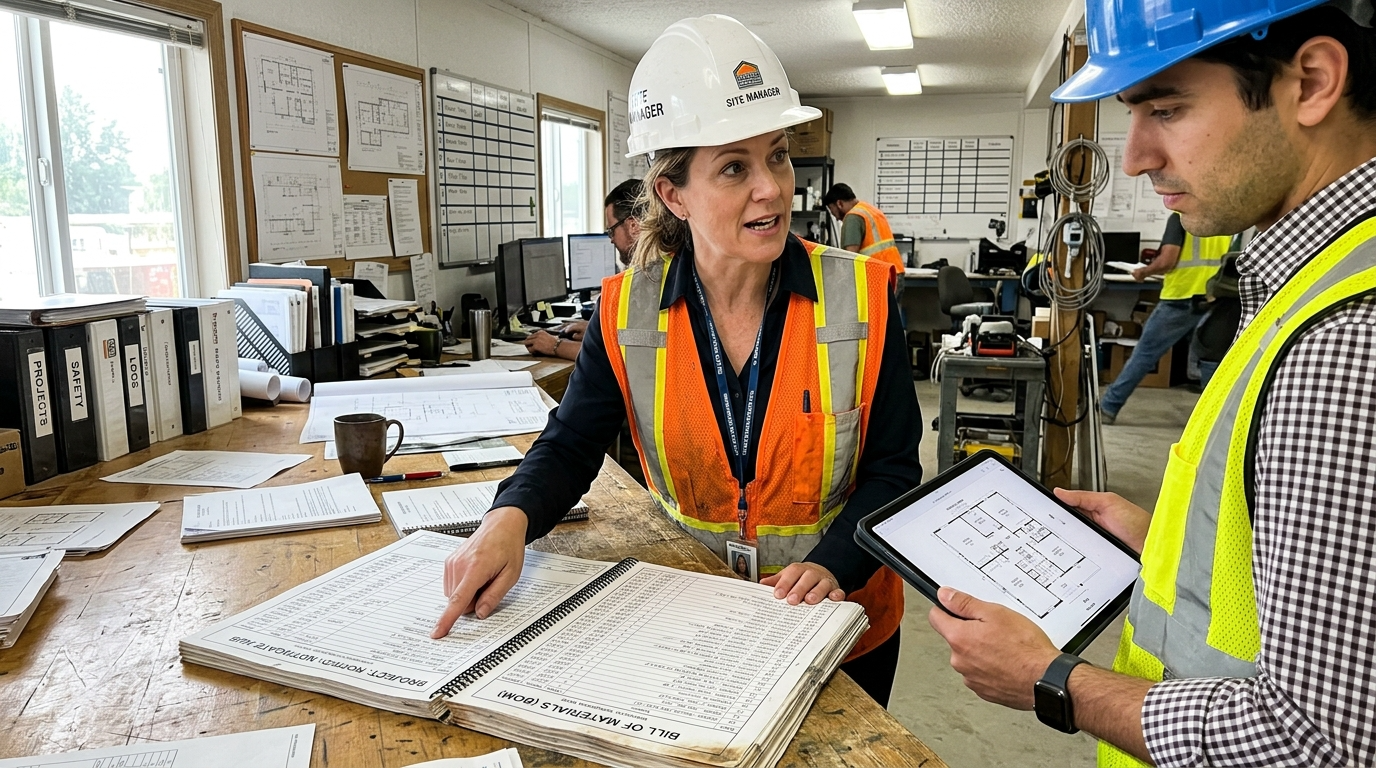
Once a contract is signed, both parties begin fulfilling their obligations. The contractor performs the work, and the client provides payment and oversight. During this phase, the procurement team often handles contract administration, ensuring deliverables are met and managing any changes that arise.
Managing Day to Day Orders
Purchase Order (PO) management is the system for controlling day to day purchasing. A PO is a formal document authorizing a specific purchase. A good system tracks all POs from creation and approval through delivery and payment reconciliation, preventing unauthorized spending and providing real time cost tracking. With procurement workloads projected to increase by 8%, efficient, often automated, PO management, guided by purchasing strategy best practices, is crucial for keeping up.
Ensuring Quality: Submittals and Approvals
The submittal and approval process is a key quality control checkpoint. Before fabricating or installing critical components, contractors submit detailed information (like shop drawings or material samples) to the design team for review. This ensures the contractor’s plan aligns perfectly with the design intent, catching potential errors before they become costly rework.
Getting Materials to the Site
Delivery and logistics coordination is about getting the right materials to the right place at the right time. This can be incredibly complex, especially on tight urban sites or for large scale projects. Poor logistics can lead to crews standing idle, while great coordination can enable remarkable speed. As a powerful example, Wright Construction, a CNBA member, paved a 200,000 square foot lot in just 5 days, a feat made possible by meticulous logistics planning.
Inspecting and Receiving Goods
When materials arrive, the quality inspection and receiving process begins. The receiving team verifies that the quantity is correct, the items are undamaged, and the quality meets specifications. This simple step is a critical filter that prevents defective materials from being incorporated into the project, which could otherwise lead to safety issues or failed inspections down the road.
Storing Materials Safely
Once received, materials must be stored properly. Inventory and storage management involves tracking what you have, keeping it secure, and protecting it from damage or degradation. With construction site theft costing the industry over $1 billion annually in the U.S., a secure and organized storage plan is essential for protecting your investment.
Monitoring Vendor Performance
The work isn’t over once a vendor is hired. Vendor performance management is the ongoing process of monitoring suppliers to ensure they meet their contractual obligations for timeliness, quality, and budget. Given that owners cite poor contractor performance as a top reason for project failure, actively managing vendors is a non negotiable part of a successful construction procurement lifecycle.
Staying Compliant with Regulations
Every construction project is subject to a web of laws and regulations, from building codes and OSHA safety standards to environmental rules. Regulatory compliance means ensuring every procured item and service adheres to these requirements. For instance, contractors like Wright Construction specialize in ADA compliance, helping property owners install accessible ramps and signage to pass inspections and avoid legal issues.
Phase 4: Closeout and Final Inspection
The final phase of the construction procurement lifecycle involves wrapping everything up, ensuring the client is satisfied, and formally closing the books on the project.
During project closeout, the contractor addresses any minor remaining issues (the “punch list”), completes final inspections with authorities to obtain a Certificate of Occupancy, and hands over all necessary documentation, such as warranties and operation manuals. All financial accounts are settled, and the site is demobilized. A smooth and efficient closeout is the hallmark of a well managed project from start to finish.
Overcoming Challenges and Adopting Best Practices
Navigating the construction procurement lifecycle is not without its difficulties. Common procurement challenges include supply chain disruptions, price volatility, and finding qualified suppliers. In fact, 53% of supply chain leaders cited price increases due to inflation as their biggest supply chain challenge.
To overcome these hurdles, leading organizations adopt a procurement best practices framework, such as:
Developing strong, collaborative supplier relationships.
Using technology to automate processes and analyze spending data.
Focusing on sustainable and ethical sourcing.
Implementing robust risk management strategies.
Embracing procurement technology is particularly impactful. The global procurement software market is projected to reach $9.5 billion by 2028, and for good reason. Digital tools streamline workflows, reduce errors, and provide the data needed for smarter, more strategic decision making.
2026 Supply Chain Factor | Impact Level | Strategy |
Material Price Volatility | High | Use Indexed Pricing & Escalation Clauses |
Labor Shortages | Critical | Adopt Modular & Prefabricated Solutions |
Tariff Pressures (Steel/Alum) | Moderate | Domestic Sourcing & Strategic Stockpiling |
Ultimately, the benefits of effective procurement are clear: significant cost savings, faster project completion, improved quality, and reduced risk. By mastering every stage of the construction procurement lifecycle, you build a powerful foundation for success. For contractors looking to gain a competitive edge, joining a group purchasing organization like CNBA can provide instant access to pre negotiated pricing, a network of reliable suppliers, and the collective knowledge of industry peers. Explore the benefits of joining CNBA today.
The Role of AI in 2026 Procurement
To maintain a competitive edge, procurement teams are increasingly integrating Artificial Intelligence to solve traditional bottlenecks:
Predictive Analytics: Forecasting material price hikes (like steel or lumber) 3–6 months in advance.
Automated Bid Leveling: Using AI to normalize and compare complex bids instantly.
Smart Logistics: Tracking deliveries in real-time to prevent “idle crew” costs.
Frequently Asked Questions
1. What is the most important stage of the construction procurement lifecycle?
While every stage is crucial, the initial Planning and Strategy phase is arguably the most important. A well thought out plan sets the foundation for all subsequent activities and has the greatest impact on the project’s overall success.
2. How does technology impact the construction procurement lifecycle?
Technology, such as e-procurement software and data analytics tools, automates repetitive tasks, improves accuracy, provides valuable spending insights, and enhances collaboration. This allows procurement professionals to focus on strategic activities like negotiation and risk management.
3. What is the difference between procurement and purchasing?
Purchasing is the transactional act of buying goods or services. Procurement is a broader, more strategic process that includes planning, sourcing, negotiation, and logistics, encompassing the entire construction procurement lifecycle.
4. How can small contractors improve their procurement process?
Small contractors can improve by standardizing their processes, building strong relationships with a few key suppliers, and leveraging technology where possible. Joining a buyer’s alliance like CNBA (see the best buying groups for contractors) is also highly effective, as it gives them access to the buying power and resources of a much larger organization.
5. What is “strategic sourcing” in construction?
Strategic sourcing is a best practice that involves analyzing spending across projects to make informed, long term purchasing decisions. Instead of buying on a project by project basis, a company might consolidate its purchases for a specific material to negotiate a better volume discount with a key supplier.
6. Why is vendor performance management so critical?
Poor vendor or contractor performance is one of the leading causes of project delays and budget overruns. Continuously monitoring performance allows you to identify and address issues early before they escalate, ensuring the project stays on track.
7. How does risk management fit into the construction procurement lifecycle?
Risk management is an ongoing activity that occurs at every stage. It involves identifying potential problems (like supply shortages or supplier bankruptcy), assessing their potential impact, and creating plans to mitigate them, ensuring the project is resilient to unforeseen events.
8. What are the key benefits of mastering the construction procurement lifecycle?
The primary benefits include significant cost savings, faster project delivery, higher quality construction, reduced project risk, and improved stakeholder satisfaction. It transforms procurement from a simple cost center into a strategic value driver.
Recent Comments