
Effective procurement, guided by established procurement best practices in construction, is the engine of any successful construction project. It’s about more than just buying materials at the lowest price; it’s a strategic process that, when done right, reduces costs, prevents delays, and builds powerful partnerships. Mastering procurement best practices in construction isn’t just an advantage, it’s a necessity for thriving in today’s competitive landscape.
Quick Takeaway: What are Construction Procurement Best Practices?
In 2026, construction procurement best practices focus on integrated project delivery, digital supply chain transparency, and risk-balanced contracting. The core goal is to move beyond “lowest-bid” mentalities toward a data-driven model that prioritizes long-lead item planning, automated submittal workflows, and strategic supplier alliances to mitigate inflation and material volatility.
For contractors, getting procurement right means smoother projects and healthier profit margins. In short, the best practices involve disciplined planning, transparent bidding, rigorous project execution, strong supplier management, and the strategic use of technology. Let’s walk through the essential practices that separate the best from the rest, from initial planning to leveraging cutting edge technology.
The Foundation: Planning and Standardization
Great projects start long before the first shovel hits the ground. A disciplined approach to planning and creating repeatable processes sets the stage for success.
Standardize Your Processes
A standardized procurement process means creating a uniform, step by step guide for every purchase. For a repeatable, cross‑project approach, align it with a documented construction sourcing strategy. This isn’t about rigid bureaucracy; it’s about efficiency and consistency. When everyone follows the same playbook for requisitions, sourcing, and contract awards, you eliminate guesswork and reduce mistakes. In fact, companies that standardize their procurement see cycle times drop. This disciplined approach is a cornerstone of effective procurement best practices construction.
Define Scope and Specifications with Absolute Clarity
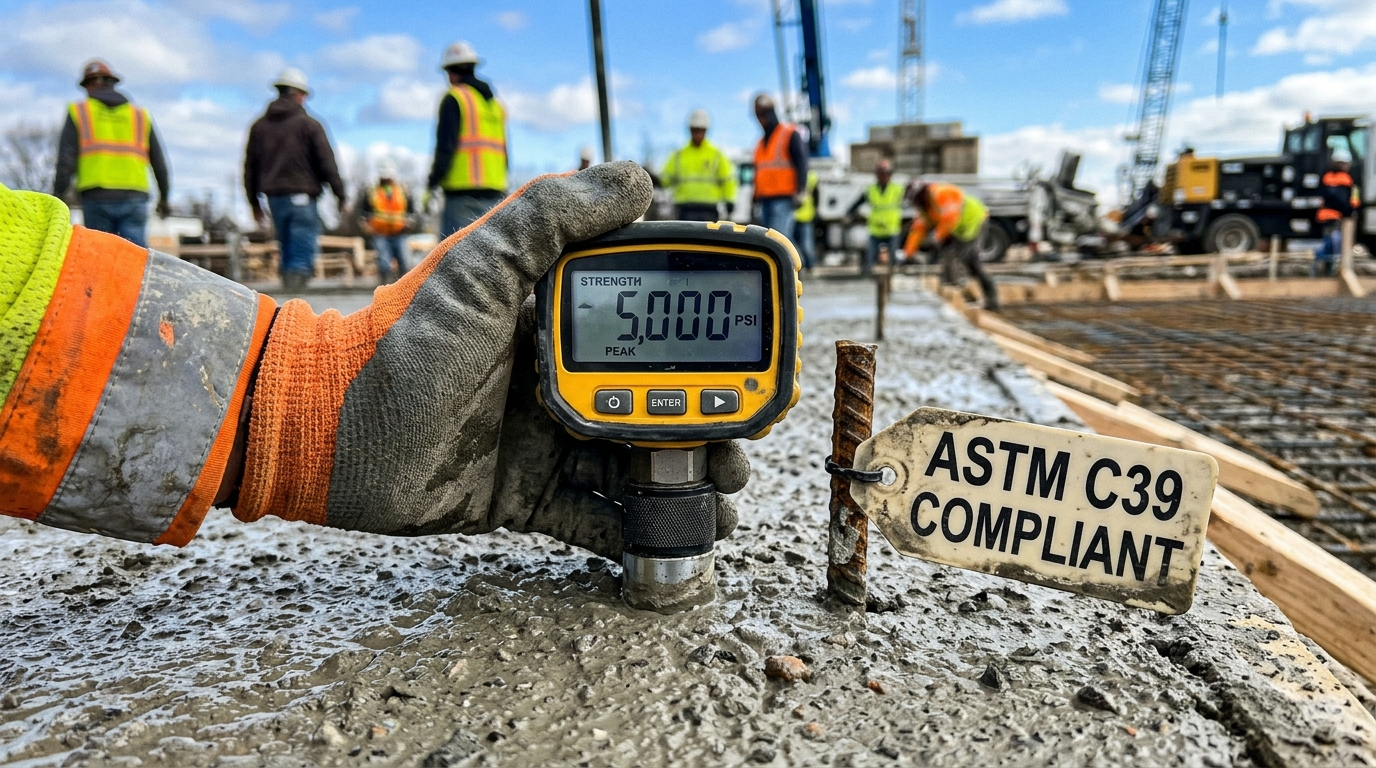
Vague requirements are a project’s worst enemy. Clear scope definition involves meticulously detailing what is, and just as importantly, what is not included in a purchase or contract. Ambiguity leads to scope creep, and 47% of unsuccessful projects fail to meet goals due to inaccurate requirements management.
This ties directly into specification clarity management. Instead of saying “high strength concrete,” a clear spec would say “concrete with a compressive strength of 5,000 psi at 28 days per ASTM C39.” This level of detail ensures suppliers deliver exactly what’s needed, preventing costly rework.
Integrate Procurement with Project Planning
Procurement should never be an afterthought. Integrating procurement with project planning means the purchasing team is involved from day one. They can identify long lead item prioritization needs, like custom steel or specialized HVAC units, and place orders early to align with the construction schedule. When planning happens in a silo, you risk major delays. 27% of failed projects cited inaccurate task time estimates.
Traditional vs. Best Practice Procurement: 2026 Comparison
Feature | Traditional Procurement | 2026 Best Practice |
Vendor Selection | Lowest initial bid | Total Cost of Ownership (TCO) |
Risk Management | Reactive (solving delays as they happen) | Predictive (AI-driven lead time forecasting) |
Data Flow | Manual spreadsheets & emails | Centralized Cloud/BIM Integration |
Supplier Relation | Transactional / Adversarial | Strategic Alliances & GPOs |
Sustainability | Compliance-only | Lifecycle impact & material circularity |
The Bidding Process: Transparency and Fairness
A fair and open bidding process doesn’t just build trust with your trade partners; it is a core component of procurement best practices in construction that also delivers better value for the project.
Run a Transparent Tender Process
A transparent tender process is open, fair, and clear to all potential bidders. If you’re exploring collaborative models that broaden qualified competition, review this guide to construction procurement alliances. It involves publicly sharing opportunities and using a consistent evaluation method. This transparency boosts competition, which in turn lowers costs. For example, a study of public procurement found that tenders with more bidders yielded nearly double the savings compared to those with little competition. Openness reduces the risk of favoritism and ensures you get the best value.
Use Standardized Evaluation Criteria
To ensure fairness, you must establish standardized evaluation criteria before you even look at a single bid. This means deciding how you’ll score proposals based on factors like price, experience, quality, and schedule. For instance, you might assign 40% of the score to cost and 30% to technical qualifications. This data driven approach minimizes bias and creates a documented, defensible reason for your selection.
Insist on Balanced Contract Terms
A good contract protects everyone. Balanced contract terms fairly allocate risk between you and your suppliers. Unfair, one sided contracts often force suppliers to increase their bids by 8% to 20% just to cover the added risk. A balanced agreement fosters a partnership rather than an adversarial relationship, which is crucial for navigating the inevitable challenges of a construction project. This approach is a key part of strategic procurement best practices construction.
Project Execution: Managing Change and Information Flow
Once the project is underway, control over information, changes, and cash flow becomes critical, forming a key part of daily procurement best practices in construction.
Master Submittal and Change Management
Submittal management is the process of reviewing and approving shop drawings, material data, and samples to ensure they meet project specifications. A well organized submittal log prevents this critical paperwork from becoming a bottleneck that delays fabrication and installation.
At the same time, change is a constant in construction. A formal process for schedule and design change management is non negotiable. Uncontrolled changes are a leading cause of budget overruns. A structured change order process documents the impact of every modification on cost and schedule, keeping the project on track.
Manage Cash Flow and Inventory Like a Pro
Cash is king. Cash flow and payment term management is vital for a contractor’s survival. Don’t leave money on the table. Structure your buys to capture vendor rebates. Negotiating fair payment terms and managing your cash conversion cycle ensures you can pay your crews and suppliers on time. This is a critical challenge, as poor cash flow management contributes to a high percentage of business failures.
Equally important is inventory and material management. This includes everything from tracking materials on site to ensuring proper material storage protection. Protecting materials from weather, damage, or theft prevents waste and avoids the costly delays of reordering.
Building Resilience: Supplier and Risk Management
Your suppliers are your partners. Managing those relationships and proactively mitigating risks are advanced procurement best practices construction that pay huge dividends.
Cultivate Strong Supplier Relationships
Supplier Relationship Management (SRM) is about building long term, collaborative partnerships with your key suppliers. Instead of one off transactions, you work together to find efficiencies and innovate. Good SRM leads to better service, priority during shortages, and cost savings. One initiative at Microsoft to improve supplier collaboration achieved 15% savings on supplier rates.
Organizations like the Contractors National Buyer Alliance (CNBA) are built on this principle, creating powerful partnerships between contractors and industry leading vendors. Learn how to build contractor‑vendor partnerships.
Diversify and Mitigate Risk
Relying on a single source for a critical material is a recipe for disaster. One fast path is to join contractor procurement groups that pre‑qualify alternates and expand capacity. This strategy is central to supply chain risk mitigation. For companies in most sectors, a single prolonged shock to production could wipe out 30 to 50 percent of one year’s earnings before interest, taxes, and depreciation, making a resilient supply chain essential.
This is part of a broader framework of procurement risk governance, where you systematically identify, assess, and mitigate risks like price volatility, fraud, or supplier failure. Strong governance prevents project funds from being lost to inefficiency or corruption.
Checklist: Essential Steps in the Modern Procurement Lifecycle
To ensure no detail is missed, follow this high-level workflow for every major project:
Pre-Construction Alignment: Synchronize the procurement schedule with the BIM (Building Information Modeling) milestones.
Market Intelligence Gathering: Assess current global supply chain health for raw materials.
Prequalification: Verify vendor financial stability and safety ratings.
Value Engineering: Collaborate with suppliers to identify lower-cost, high-performance material alternatives.
Automated PO Issuance: Use integrated software to trigger orders based on site inventory levels.
Close-out Audit: Review vendor performance against KPIs for future project grading.
The Digital Toolkit: Technology and Analytics
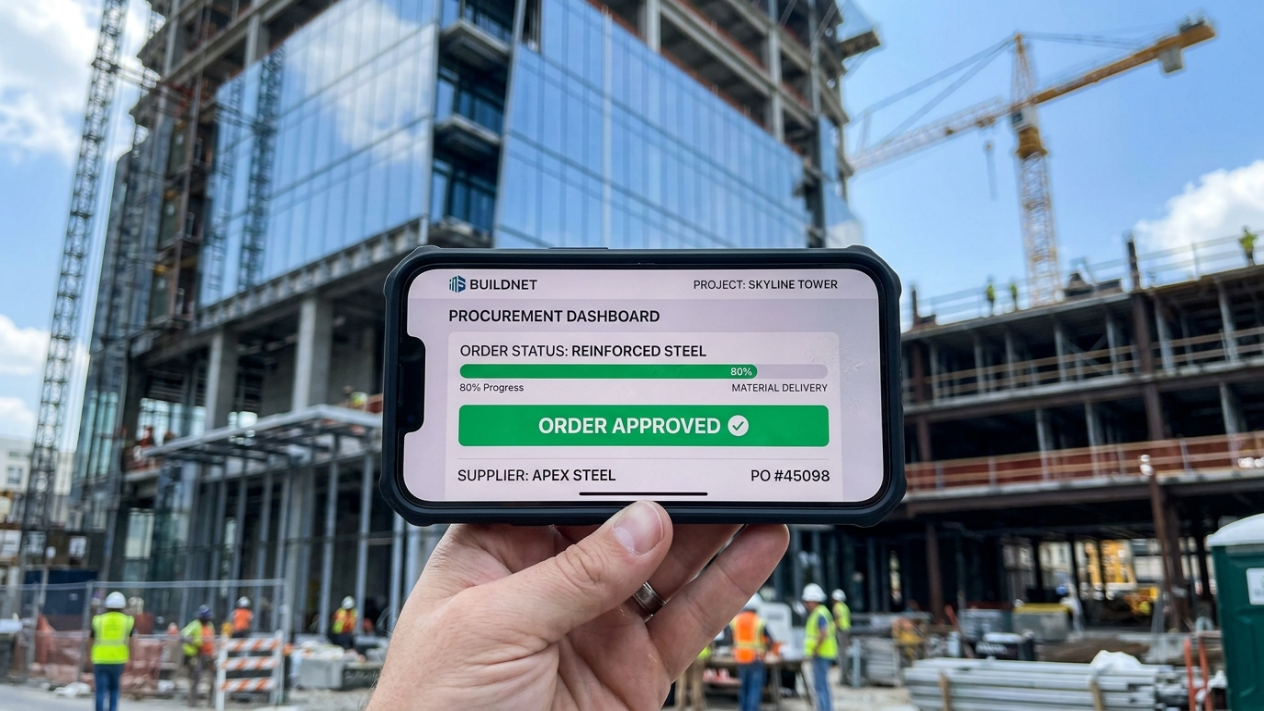
Technology is transforming construction procurement from a manual, paper based function into a streamlined, data driven powerhouse. Embracing these tools is no longer optional for strong procurement best practices in construction.
Adopt Modern Procurement Software
Procurement software adoption streamlines everything from bidding to payment. Pair your platform with group purchasing organization (GPO) networks to unlock pre‑negotiated pricing and analytics‑ready spend data. Digital platforms reduce manual data entry, enforce compliance, and shorten purchase cycle times by more than 30%. 80% of procurement professionals believe they need to do more to take advantage of the latest digital tools.
Collaborate in the Cloud
Cloud based collaboration tools ensure the entire team, whether in the office or on the jobsite, is working from the same information. Using a single source of truth for plans, submittals, and schedules prevents the costly rework that happens when someone uses an outdated document. This also enables transparent team communication, which is critical, as 21% of projects fail due to ineffective communication (as a contributing factor).
Use Data to Drive Decisions
You can’t improve what you don’t measure. Key performance metric tracking involves monitoring KPIs like cost savings, cycle times, and on time delivery rates. This data provides the insights needed to optimize your processes.
This leads to procurement data analytics, where you analyze spend data to find hidden savings opportunities. Advanced analytics can reduce procurement costs by up to 12% by identifying patterns and inefficiencies that the human eye would miss.
Finally, technology integration across platforms breaks down digital silos. When your procurement, accounting, and project management systems talk to each other, you get a seamless flow of data. This enables powerful efficiencies like automated scheduling and reporting, freeing up your team to focus on strategic work instead of manual data compilation.
Implementing these procurement best practices construction transforms your purchasing department from a cost center into a strategic asset. For contractors looking to gain a competitive edge, leaning on the collective buying power and expertise of an alliance can make all the difference: here’s how to join a contractor buying group and start saving.
Frequently Asked Questions
What are the most critical procurement best practices in construction?
The most critical procurement best practices in construction include establishing a clear scope and standardized processes, running a transparent tender process, integrating procurement with project planning, and actively managing supplier relationships and risks.
How can small contractors improve their procurement process?
Small contractors can start by standardizing their basic processes for requesting and approving purchases. Adopting an affordable cloud based collaboration tool to improve communication and document sharing is also a high impact first step.
Why is supplier relationship management important in construction?
Strong supplier relationships lead to better service, more reliable delivery, and often preferential pricing. In an industry where material delays can halt a project, having a supplier who sees you as a true partner is an invaluable asset.
What role does technology play in modern construction procurement?
Technology automates manual tasks, reduces errors, provides real time data for decision making, and improves collaboration among all project stakeholders. Adopting procurement software is essential for efficiency and staying competitive.
How does a transparent tender process benefit a construction project?
Transparency increases competition among bidders, which typically leads to lower costs and better value. It also builds trust with the subcontractor community, encouraging high quality firms to bid on your projects in the future.
What is the first step to implementing better procurement practices?
The first step is to document your current process from start to finish. This exercise will immediately reveal bottlenecks, inconsistencies, and areas for improvement, giving you a clear roadmap for implementing procurement best practices construction.
Recent Comments