
TL;DR
Construction fuel expense control is the combination of policies, processes, and tools contractors use to track, manage, and reduce fuel spending across equipment, vehicles, and jobsites. Fuel can account for 30 to 50 percent of a machine’s operating cost, yet most contractors underestimate their true fuel spend by 20 to 30 percent. Effective control covers everything from procurement strategy and idling reduction to off-road diesel tax credits that many contractors never claim. Getting this right directly protects project margins.
Construction Fuel Expense Control at a Glance
Construction fuel expense control is the process of reducing fuel costs while maintaining equipment productivity through monitoring, purchasing strategy, maintenance, operator behavior, theft prevention, and job costing.
Contractors typically reduce fuel expenses by 10–20% by combining:
– Fuel tracking software
– Fleet cards with spending controls
– Idle time reduction
– Preventive maintenance
– Operator training
– Bulk fuel purchasing
– Fuel theft prevention
– Off-road diesel tax optimization
– Job-level fuel reporting
Instead of viewing fuel as overhead, leading contractors allocate fuel costs directly to projects, improving estimating accuracy and protecting profit margins.
What Is Construction Fuel Expense Control?
Construction fuel expense control is the discipline of tracking, managing, and reducing fuel spending across a construction operation’s equipment fleet, on-road vehicles, generators, and jobsites. It is not a single tool or piece of software. It’s a combination of procurement strategy, consumption monitoring, operator behavior management, theft prevention, tax optimization, and integration with project-level job costing.
The “expense control” part matters. Simply buying fuel and expensing it is not control. Control means knowing where every gallon goes, understanding what drives consumption up or down, and making decisions based on that information. It means fuel data flows into your construction cost management practices the same way labor and material data do.
Fuel spend includes more than the purchase price per gallon. It encompasses the operational factors that drive consumption: equipment utilization, idling, haul distances, operator behavior, fleet mix, terrain, and weather conditions. A contractor who only tracks fuel receipts is seeing maybe half the picture.
Why Fuel Expense Control Matters in Construction
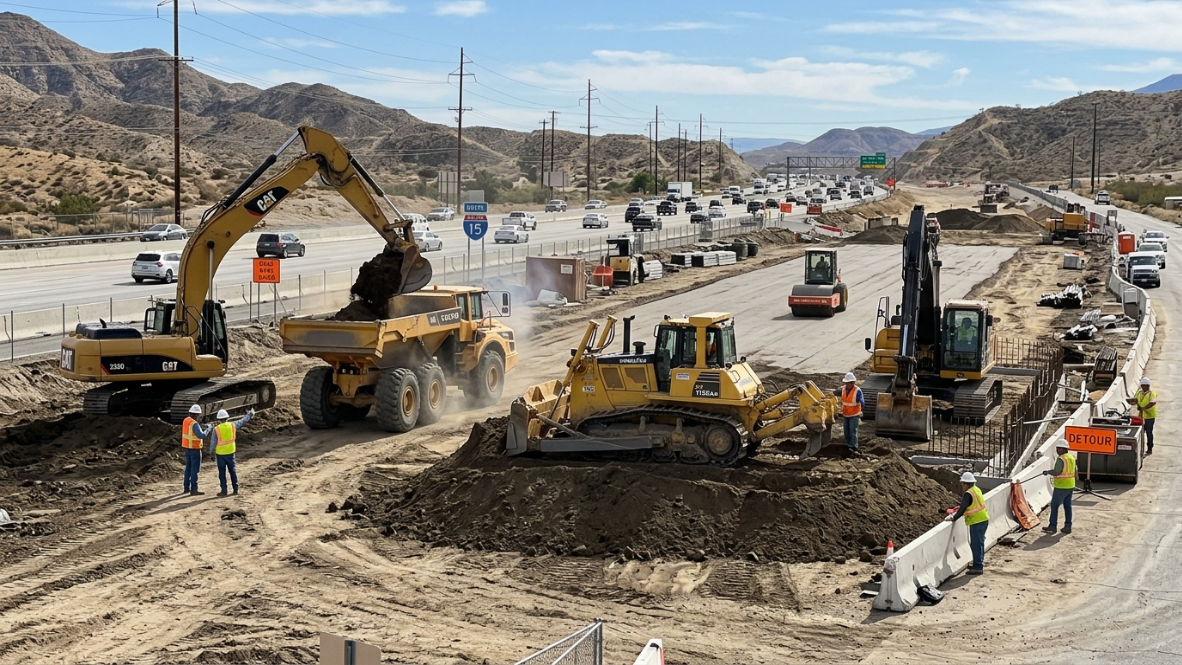
Fuel is one of the largest and least controlled expenses in construction. Diesel fuel costs alone constitute more than 35% of diesel-powered construction equipment’s operational costs. For some machines, that figure reaches 30 to 50 percent or more of total operating cost.
Put that in dollar terms. A mid-size contractor running 10 to 15 vehicles can easily spend $80,000 to $150,000 per year on fuel for vehicles alone, before counting equipment like generators, skid steers, and compressors. And here’s the problem: most contractors underestimate their true fuel spend by 20 to 30 percent because they don’t track it consistently.
Explore proven levers for contractor margin improvement to see how fuel control fits into a broader margin strategy.
Why Construction Is Harder Than Other Fleet Environments
Fuel control in construction is significantly harder than in trucking, delivery, or other fleet-heavy industries. A delivery fleet has routes. A construction fleet has jobsites, haul roads, staging zones, equipment moves, rentals, standby periods, weather delays, crew sequencing issues, and mixed asset types. The work is mobile, uneven, and constantly changing.
This complexity is exactly why so many contractors default to one of two approaches. As practitioner-focused sources like Projul note, contractors either ignore fuel costs entirely in their job costing or apply a flat percentage to every job and hope it averages out. Neither tells you what individual projects actually cost.
The EPA estimates that many construction companies could reduce fuel consumption by up to 15% simply by optimizing their processes. On a $5,000 weekly fuel bill, a 10 percent reduction saves $26,000 per year. That’s real money falling straight to the bottom line.
Construction Fuel Expense Statistics
Statistic | Value |
|---|---|
Fuel Share of Equipment Cost | 30–50% |
Behavior Impact on MPG | Up to 33% |
Fuel Lost to Idling | 10–30% |
Heavy Vehicle Idle Consumption | 0.8–1.5 gal/hr |
Potential Fuel Savings | Up to 15% |
Signs Your Company Has a Fuel Expense Problem
Many contractors don’t realize fuel is quietly eroding project profitability until costs begin exceeding estimates.
Common warning signs include:
Fuel spending increases faster than revenue.
Equipment regularly idles for long periods.
Fuel purchases vary significantly between similar projects.
Operators frequently fuel equipment offsite.
Fuel card transactions occur outside working hours.
Equipment maintenance is frequently overdue.
Job costing reports classify fuel as general overhead.
Fuel deliveries regularly occur on an emergency basis.
Even one or two of these warning signs usually indicate opportunities to reduce unnecessary fuel spending.
Core Components of Construction Fuel Expense Control
Fuel expense control has eight distinct components. Most contractors are doing two or three of these. The ones protecting their margins are doing all eight.
Fuel Tracking and Monitoring
Every fuel withdrawal should be tracked automatically: who used it, where, when, and for which piece of equipment. This sounds basic, but fragmented data is the norm. Fuel purchases, equipment usage, and jobsite activity often live in separate systems, and without tying fuel to specific machines or vehicles, it’s impossible to understand true consumption patterns.
Modern fuel management systems integrate with telematics, GPS tracking, and digital reporting tools to deliver real-time visibility. Instant access to tank levels, consumption data, and delivery schedules allows teams to respond quickly to changing site needs. Contractors interested in broader fleet management strategies will find that fuel tracking is the foundation everything else builds on.
Fleet Cards and Spend Controls
Fleet fuel cards help control purchasing by setting preset limits on transactions: daily caps, time-of-day restrictions, equipment volume limits, and authorized fuel types. Prices are often discounted through fuel card programs, and the transaction data feeds directly into accounting systems.
But here’s an important nuance that many card vendors won’t emphasize: fuel cards control purchases. They do not prove whether fuel was used productively. A card confirms a purchase happened. Construction teams also need asset-level tracking, utilization data, and jobsite context to close the loop between fuel bought and fuel used on productive work.
Idling Reduction
Idling is one of the most obvious, and hardest to manage, drivers of fuel waste. When equipment sits running without performing productive work, it burns fuel while adding unnecessary wear to the engine. Industry research indicates that 10 to 30 percent of construction equipment fuel consumption is tied to nonproductive idling.
The numbers are significant. Heavy vehicles burn 0.8 to 1.5 gallons per hour while idling. The U.S. Department of Energy’s Argonne National Laboratory estimates that more than 6 billion gallons of fuel are wasted annually by idling vehicles across the United States.
Idling doesn’t just burn fuel. It actively damages engines through carbon buildup, oil contamination, and accelerated wear on components. This means more shop time, higher repair bills, and lower resale value. One UK construction firm, Tarmac, reduced idling by 30% within three months and achieved 25% improved fuel economy after implementing telematics-based monitoring.
For contractors looking at this as part of broader operational cost savings, idling reduction is often the fastest win available.
Operator Training
Driver and operator behavior is the single largest controllable factor in fleet fuel consumption, accounting for up to 33% of the variance in MPG between vehicles in the same fleet. That’s a massive spread caused entirely by how people drive and operate equipment.
A strong training program covers minimizing idle time, avoiding excessive acceleration and braking, selecting the right gear and RPM range, and choosing the most appropriate equipment for each task. Practitioners on construction forums consistently report that the hardest part isn’t teaching the techniques, it’s getting operators to sustain them without ongoing reinforcement. Scorecards, friendly competition between operators, and tying fuel efficiency to performance reviews all help.
Training isn’t a one-time event. It’s part of operational efficiency strategy that needs regular refreshers as new operators join and habits drift.
Equipment Right-Sizing and Maintenance
Using the right machine for each task matters more than most people realize. Oversized equipment burns more fuel than necessary. But undersized equipment for a heavy job strains engines and also results in excess fuel consumption, sometimes worse than the oversized alternative because the machine runs at maximum capacity for longer periods.
Maintenance has a direct fuel impact too. Dirty filters, tire pressure issues, worn components, hydraulic problems, unresolved fault codes, and overdue preventive maintenance all increase fuel consumption. A well-maintained machine is simply a more fuel-efficient machine. Contractors who integrate vehicle maintenance programs with their fuel tracking can see correlations between maintenance compliance and fuel burn rates.
Common Causes of High Construction Fuel Costs
Excessive Equipment Idling
Long idle periods waste fuel without producing work.
Improper Equipment Selection
Oversized machines consume unnecessary fuel while undersized machines often operate under excessive load.
Poor Maintenance
Dirty filters, worn injectors, underinflated tires, and hydraulic issues all increase fuel consumption.
Fuel Theft
Unauthorized fueling remains one of the largest hidden costs on construction projects.
Poor Jobsite Planning
Frequent equipment movement, long haul distances, and inefficient staging increase fuel use.
Lack of Fuel Visibility
Without equipment-level reporting, contractors cannot identify where fuel waste occurs.
Fuel Procurement Strategy
How you buy fuel matters as much as how you use it. Two strategies stand out.
Fixed-price contracts. Securing fixed-price fuel agreements with suppliers shields projects from market volatility and provides predictable costs for estimating and budgeting. This is particularly valuable for long-duration projects where diesel price swings can blow up a budget.
Bulk purchasing and jobsite delivery. Purchasing fuel in larger volumes allows contractors to secure competitive pricing and minimize exposure to daily price fluctuations. Having fuel delivered directly to the jobsite also eliminates the wasted time (and fuel) spent driving equipment or trucks to off-site stations. Contractors can explore supplier discount programs that include fuel among their negotiated vendor categories.
Compare fleet fuel programs to find the right procurement structure for your operation.
Bulk Fuel vs Retail Fuel Purchases
Factor | Bulk Fuel | Retail Stations |
|---|---|---|
Cost | Lower | Higher |
Time | Less travel | Travel required |
Tracking | Easier | Harder |
Theft Risk | Higher if unmanaged | Lower |
Inventory Needed | Yes | No |
Best For | Medium/Large Contractors | Small Fleets |
Fuel Theft Prevention
Fuel theft in construction happens through several channels: employees filling personal vehicles after hours, operators topping off a buddy’s truck, organized theft rings siphoning from tanks overnight, and phantom fuel card transactions at retail stations. The losses add up fast when diesel is $4 or more per gallon and tanks sit unattended on remote jobsites.
Physical security helps. Place fuel tanks near cameras, lights, or motion sensors for quick detection. Install signage to deter opportunistic theft. But the real control comes from fuel management technology that restricts dispensing to authorized users only, logs every transaction, and flags anomalies automatically.
Locking caps and tank enclosures are the bare minimum. Contractors serious about construction fuel expense control pair physical security with electronic access controls and reconcile dispensed gallons against equipment usage data.
Off-Road Diesel Tax Optimization
This is where many contractors leave real money on the table, and it’s an angle most fuel management articles ignore entirely.
Construction businesses frequently use gasoline, undyed diesel, or undyed kerosene to run off-road equipment. The federal tax on gasoline is $0.184 per gallon, and the federal tax on diesel is $0.244 per gallon. When that fuel powers equipment that never touches a public road, contractors are entitled to claim those taxes back.
Consider a practical example: a construction company using 7,500 gallons of gasoline and 15,000 gallons of undyed diesel for off-road equipment is entitled to a $5,040 federal fuel tax credit. That may not sound enormous in isolation, but it compounds year over year, and a tax credit reduces your liability dollar for dollar, not just as a deduction.
Red dyed diesel is the other piece. It’s exempt from road-use taxes at the pump, making it less expensive per gallon for qualifying off-road use. Many contractors who could be buying dyed diesel are purchasing regular highway diesel out of habit or convenience.
The relevant IRS forms are Form 4136 (filed with your annual return) and Form 8849 (for quarterly refund claims). State-level exemptions vary and can add additional savings. If your accountant hasn’t brought this up, ask about it.
Construction Fuel Cost Reduction Opportunities
Opportunity | Typical Savings | Difficulty | ROI Speed |
|---|---|---|---|
Reduce Idling | 5–15% | Easy | High |
Prevent Fuel Theft | 2–8% | Medium | High |
Preventive Maintenance | 3–8% | Easy | Medium |
Fleet Cards | 2–5% | Easy | Fast |
Bulk Purchasing | 3–10% | Medium | Medium |
Route Optimization | 2–6% | Medium | Medium |
Equipment Right-Sizing | 5–15% | Medium | High |
Operator Training | 5–20% | Medium | High |
No single strategy delivers maximum savings. Contractors usually achieve the greatest reduction by combining several initiatives into a structured fuel management program.
Key Metrics for Fuel Expense Control
Vague advice to “track your fuel” isn’t useful. Here are the specific KPIs that matter for construction fuel expense control.
The Metrics That Matter
Fuel cost per productive hour. This is the right primary metric for construction. Not cost per mile (that’s for trucking). If fuel cost per productive hour rises consistently, it signals mechanical inefficiency, excessive idle time, or scheduling problems.
Idle time percentage. The ratio of idle hours to total engine hours. Target varies by equipment type, but anything above 20 to 25 percent on most machines warrants investigation.
Fuel consumption per asset class. Excavators will burn differently than skid steers. Comparing within classes reveals outliers.
Fuel cost per project site. Essential for job costing accuracy.
Fuel variance by equipment class. When two identical machines on the same site show very different fuel consumption, something is wrong with one of them (or with the operator).
Maintenance compliance vs. fuel burn. Tracks whether overdue PM correlates with increased fuel use.
Productive Hours vs. Engine Hours
This distinction is critical and almost never appears in general fuel management content. An engine hour only proves the asset was running. A productive hour should reflect time spent doing useful work tied to the project plan. A dozer idling for two hours in a staging area while waiting for trucks logs engine hours but zero productive hours. If your fuel KPIs use engine hours as the denominator, your cost-per-hour numbers will look artificially low and mask waste.
Contractors who want to benchmark these metrics against industry standards should explore cost benchmarking in construction as a starting framework.
Review Cadence: Weekly, Not Monthly
Review exceptions and idle patterns weekly. Monthly review works for accounting reconciliation, but it’s too slow for active jobsite correction. By the time a monthly report surfaces a problem, you’ve already burned four weeks of excess fuel. Weekly reviews catch issues while there’s still time to change operator behavior, reassign equipment, or fix a maintenance issue before it compounds.
Connecting Fuel Data to Job Costing and Bidding

Most construction companies treat fuel as overhead. That’s a mistake. When you pull fuel out of the overhead bucket and start assigning it to individual jobs, you fundamentally change how you see your business.
What Changes When Fuel Becomes a Direct Job Cost
Your overhead rate drops. When fuel moves from overhead to direct job cost, your overhead percentage decreases. That makes your overhead rate more accurate for costs that truly are overhead, like office rent and admin salaries. It also makes your bids more competitive because you’re not padding every job with inflated overhead to cover fuel.
More importantly, you start seeing which projects eat fuel and which don’t. A parking lot paving job 40 miles from your yard has very different fuel costs than one five miles away. A project requiring constant haul truck cycles burns more than one where equipment stays in place. These differences are invisible when fuel sits in overhead.
Using Fuel History to Improve Bids
Fuel data should shape how future work is priced. If a project type consistently burns more fuel because of haul distance, terrain, staging limitations, or seasonal conditions, that history belongs in the next estimate.
A practical starting point: calculate your fuel cost per labor hour. Take your total fuel spend on a completed project and divide it by total labor hours. Do this across 10 or 20 completed jobs and patterns emerge. Some job types will run $3 per labor hour in fuel. Others will run $8. That gap is invisible if fuel stays in overhead.
For more on connecting expense data to project-level financials, see this guide on construction expense management.
Compliance and Regulatory Considerations
Fuel isn’t just an operational expense. It’s subject to tax rules and regulatory requirements that vary by jurisdiction.
On-Road vs. Off-Road Classification
The most important distinction is between on-road and off-road fuel use. On-road fuel (used in vehicles operating on public roads) is subject to federal and state excise taxes. Off-road fuel (used in construction equipment that doesn’t operate on public roads) qualifies for tax exemptions or refunds in most states.
Dyed diesel, on-road diesel, yard fueling, mobile fueling, and rental equipment fueling should all be tracked and categorized separately. When these get mixed together, tax reporting, job costing, and project-level analysis all become unreliable.
Record-Keeping Requirements
Accurate fuel records are necessary to support tax credit claims, pass audits, and meet environmental reporting standards where applicable. At minimum, every fuel transaction should capture the date, quantity, equipment or vehicle ID, fuel type, jobsite, and cost. Without these records, companies risk financial penalties and lose the ability to claim credits they’re entitled to.
Fuel Runout: The Hidden Cost Nobody Budgets For
A single fuel runout, where a piece of equipment runs dry and a crew sits idle waiting for a fuel delivery, can cost $500 to $2,000 in lost productivity depending on the equipment and crew size affected. Most contractors have experienced this but few track the cumulative cost.
Proactive fuel delivery scheduling and onsite tank monitoring prevent runouts. This is as much a part of construction fuel expense control as reducing consumption, because the cost of running out often exceeds the cost of the fuel itself.
Quick-Reference Summary
Construction fuel expense control includes:
Tracking every gallon to specific equipment, operators, and jobsites
Fleet card programs with spend limits and transaction controls
Idling reduction targeting the 10 to 30 percent of fuel burned nonproductively
Operator training addressing the 33% behavior-driven variance in fuel efficiency
Right-sizing equipment and maintaining it on schedule
Procurement strategy including bulk purchasing and fixed-price contracts
Theft prevention through physical security and electronic dispensing controls
Tax optimization through dyed diesel use and IRS fuel tax credit claims
Job costing integration that moves fuel from overhead to direct project cost
Weekly KPI reviews focused on fuel cost per productive hour and idle percentages
The contractors who treat fuel as a manageable, measurable cost, not an unavoidable overhead number, consistently protect more margin on every project.
Explore construction fleet cost reduction strategies for additional ways to cut fleet-related expenses across your operation.
Frequently Asked Questions
What percentage of construction equipment operating cost is fuel?
Fuel typically accounts for 30 to 50 percent of a machine’s operating cost, and diesel fuel costs specifically represent more than 35% of diesel-powered equipment’s operational expenses. The exact figure depends on equipment type, utilization rate, and local fuel prices.
How much fuel is wasted by idling on construction sites?
Industry research shows that 10 to 30 percent of construction equipment fuel consumption is tied to nonproductive idling. Heavy vehicles burn 0.8 to 1.5 gallons per hour while idling, which adds up across an entire fleet.
What is the fuel tax credit for off-road construction equipment?
Contractors who use gasoline or undyed diesel in off-road equipment can claim federal fuel tax credits of $0.184 per gallon on gasoline and $0.244 per gallon on diesel. Claims are filed using IRS Form 4136 (with annual returns) or Form 8849 (for quarterly refunds). State-level credits may also apply.
Should fuel be tracked as overhead or a direct job cost?
Fuel should be tracked as a direct job cost whenever possible. Moving fuel from overhead to direct cost improves bid accuracy, lowers your overhead rate for true overhead items, and reveals which project types consume more fuel than others.
How often should construction companies review fuel data?
Weekly reviews are recommended for catching idling patterns, consumption anomalies, and operator behavior issues. Monthly reviews work for accounting reconciliation, but waiting a full month to spot problems means four weeks of preventable waste.
What is the difference between engine hours and productive hours for fuel tracking?
An engine hour only proves the equipment was running. A productive hour reflects time spent doing useful work tied to the project plan. Using engine hours as the denominator in fuel KPIs masks idling waste and makes cost-per-hour numbers look artificially low.
How can construction companies prevent fuel theft on jobsites?
Combine physical security (cameras, lights, locked tank enclosures) with electronic fuel management systems that restrict dispensing to authorized users. Reconcile dispensed gallons against equipment usage data regularly to catch discrepancies early.
What is dyed diesel, and why does it matter for construction fuel costs?
Red dyed diesel is exempt from road-use taxes, making it less expensive per gallon than regular highway diesel. It’s legal for off-road construction equipment use. Many contractors who qualify for dyed diesel are still purchasing taxed highway diesel out of habit, missing straightforward savings on every gallon.

Recent Comments